PREGNANCY
Fourth Trimester Prep Tips to Set You Up for Postpartum Success
No parenting manual? No problem!

Écrit par
Happiest Baby Staff

We spend months getting ready for the birth—attending antenatal classes, packing the hospital bag, writing a birth plan. But what about what comes next? The early weeks and months with a newborn—also known as the fourth trimester—can feel like a whirlwind of joy, tears, cuddles, and chaos. While you can't plan for every hiccup or nappy explosion, you can lay the groundwork for a gentler transition for your body, mind, and home.
Here’s how to prepare for the fourth trimester—physically, mentally, and practically.
Physical Preparation: Honour Your Healing Body
Giving birth is monumental—regardless of how your baby arrives. Your body deserves rest, support, and care during the recovery period. That care starts before your little one is born.
Stock up on postpartum essentials
Think beyond nappies and baby grows. You’ll want to have these on hand to support your healing body:
- Perineal care items: maternity pads, peri bottles, and sitz baths
- Caesarean section recovery essentials (top picks from other parents)
- Breastfeeding gear: nipple balm, nursing bras, breast pads, and a supportive feeding pillow
- Healthy snacks and water bottles—keeping nourished and hydrated is key, especially if you’re breastfeeding
- Postnatal support wear like belly wraps or high-waisted knickers
Prioritise rest and recovery
Plan your first few weeks at home around healing, not hosting. Create a calm, cosy nest where you can rest whenever possible. Sleep is vital for recovery—here’s how to get more of it after Baby arrives. And brush up on the 5 S’s of baby soothing—they can help everyone sleep better.
Tune in to your body, too. Whether you’ve had a vaginal birth or a caesarean, honouring your need for rest, gentle movement, and postnatal check-ups is essential for healing.
Mental and Emotional Preparation: Build Your Village
The fourth trimester is not just a physical shift—it’s an emotional one. Between fluctuating hormones and life adjustments, it’s completely normal to feel overwhelmed.
Set expectations early
Have honest chats with your partner about night feeds, chores, and visitors. Clear and compassionate communication now can help avoid resentment later.
Identify your support network
List out friends, family, doulas, lactation consultants, or mental health professionals you can turn to—and tasks you can delegate. If you’re nervous about the emotional load of new parenthood, consider a newborn care class or a local parents' group. Connecting with other new parents can ease loneliness and offer perspective.
Learn the signs of mental health challenges
Postnatal mental health issues affect about 1 in 5 mums. Many parents get through this time with their mental health intact, but it’s wise to know what to watch for. Understand the differences between baby blues and postnatal depression and postnatal anxiety, and familiarise yourself with available mental health resources.
Be kind to yourself
You don’t have to love every minute. It’s okay to grieve your old routines, ask for help, or take a breather. You’re doing your best—and that is enough.
Practical Preparation: Feather Your Nest
Once Baby arrives, even small tasks can feel huge. Prepping your space and systems now can make a big difference later.
Set up your home for Baby—and for you!
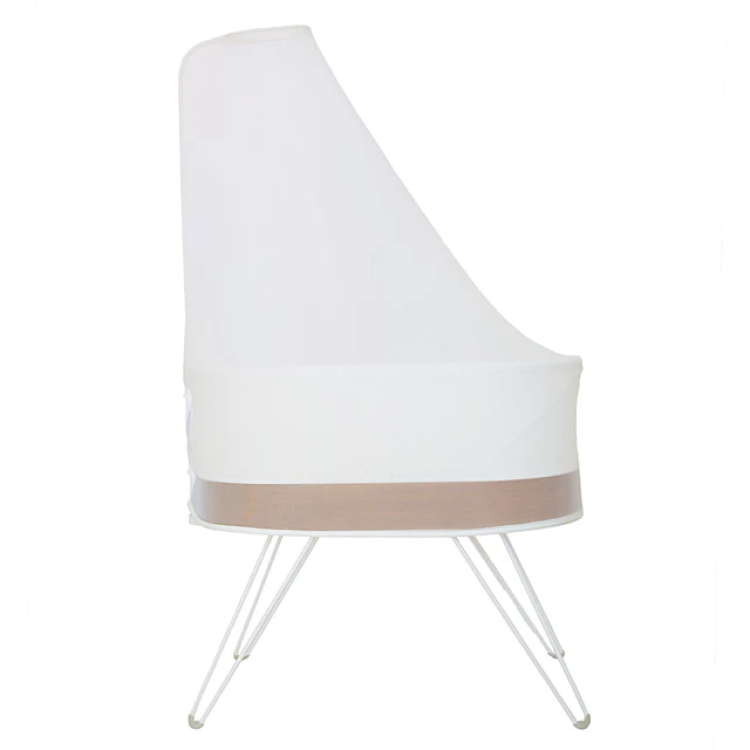
- Create safe sleep spaces: a cot, Moses basket, or SNOO Smart Sleeper
- Stock up on nutritious food and snacks. Consider batch cooking and freezing meals
- Arrange nappy-changing and feeding stations around your home
- Keep recovery supplies within easy reach of your bed or favourite feeding chair
Consider tools that support you
The SNOO can help soothe fussy babies and promote safe sleep—offering extra rest for the whole family.
Plan for help
Whether it’s setting up a meal roster, sorting pet care, or budgeting for a postnatal doula, organise your support team now. It’s also worth creating a gentle visitor policy to protect your recovery time.
Save key contacts
Before birth, save the numbers for your GP, midwife, health visitor, lactation consultant, and other support services. When questions arise (and they will), you’ll be glad you’re not fumbling for phone numbers.
Embrace the Fourth Trimester Mindset
The fourth trimester is a time of great change—for your body, your baby, and your family. It’s a season of learning, bonding, and leaning on others. By preparing physically, emotionally, and practically, you’ll give yourself the best start.
Be gentle with yourself. Take it feed by feed, nap by nap. You are not alone.
Avertissement : Les informations présentes sur notre site ne constituent PAS des conseils médicaux pour une personne ou une condition spécifique. Elles sont uniquement destinées à titre d'information générale. Si vous avez des questions médicales et des préoccupations concernant votre enfant ou vous-même, veuillez contacter votre fournisseur de soins de santé. Le lait maternel est la meilleure source de nutrition pour les bébés. Il est important que, en préparation et pendant l'allaitement, les mères adoptent une alimentation saine et équilibrée. La combinaison de l'allaitement au sein et au biberon dans les premières semaines de vie peut réduire la production de lait maternel de la mère et il est difficile de revenir sur la décision de ne pas allaiter. Si vous décidez d'utiliser une préparation pour nourrissons, vous devez suivre les instructions avec soin.
Principales actualités






PARTAGER CET ARTICLE
CHOIX DES PARENTS
Meilleures ventes