PREGNANCY
What are Braxton Hicks Contractions?
Your womb is doing some workouts to tone and strengthen for your big delivery!

Écrit par
Dr. Harvey Karp
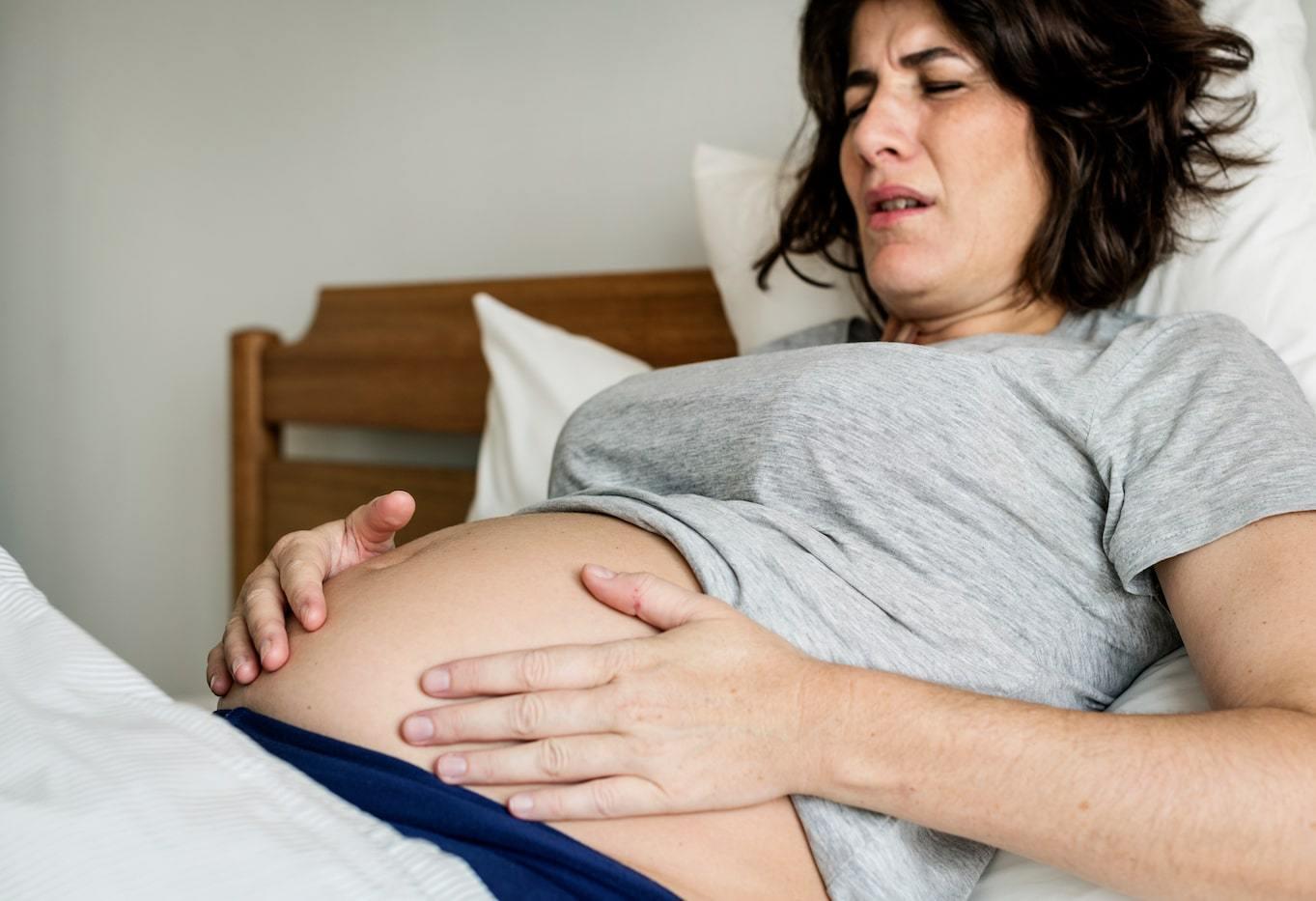
Braxton Hicks Contractions
It’s always a good idea to check with your doctor or midwife if you start having cramps, but don’t panic. These may just be the notorious Braxton Hicks contractions.
Researchers are still baffled by what causes them, but many believe they’re your body’s way of gearing up for the real deal. Just as hiccups are your baby’s rehearsal for the big job of taking her first breath…these practise contractions are probably your womb doing some workouts to tone and strengthen for your big job of pushing her out.
What Do Braxton Hicks Feel Like?
Most pregnant women have Braxton Hicks, but sometimes they are so mild you don’t even notice them. They’re not usually painful —they’re more like a band tightening around your uterus, or your belly getting hard.
If the cramps are strong enough to make you think that you’re going into labor, don't hesitate to call your doctor/midwife. However, in general, you can tell if they'r just Braxton Hicks because they go away when you change position, while real contractions won’t let up with a movement (and real contractions tend to intensify over time). Women usually feel Braxton Hicks in the front of the stomach, while labor contractions typically start in the back and travel to the front. If you’re close to your due date, Braxton Hicks may help with effacement (thinning your cervix).
Braxton Hicks vs Real Labor Contractions
“False labor” (also called “prodromal labor”) is a little different. False labor feels much more like the real thing—painful—but contractions are irregular and come at random intervals. Most women never experience it, but for others, it can last for days or even weeks before labor actually begins. If you’re having painful contractions that won’t go away and increase in intensity over time, call your OB or midwife right away. These are signs of real labor and are often accompanied by losing your mucus plug (also called your “bloody show”) and your water breaking—which can happen like a big flood or a leaky sink. For some women, the bag does not break until they’re in the middle of labor.
Remedies for Braxton Hicks Contractions
Overexerting yourself or getting dehydrated may cause Braxton Hicks, so moving, relaxing and drinking some water may ease them. Don’t fret, they won’t hurt your little one at all. Again, if your contractions are happening at regular intervals, are increasing in strength and if you’re feeling any pain at all, definitely call your care provider. Most moms will tell you that you will know when you are in labor…but it never hurts to get checked out if something seems awry.
Contractions or Other Warning Signs to Call your Doctor About
Avertissement : Les informations présentes sur notre site ne constituent PAS des conseils médicaux pour une personne ou une condition spécifique. Elles sont uniquement destinées à titre d'information générale. Si vous avez des questions médicales et des préoccupations concernant votre enfant ou vous-même, veuillez contacter votre fournisseur de soins de santé. Le lait maternel est la meilleure source de nutrition pour les bébés. Il est important que, en préparation et pendant l'allaitement, les mères adoptent une alimentation saine et équilibrée. La combinaison de l'allaitement au sein et au biberon dans les premières semaines de vie peut réduire la production de lait maternel de la mère et il est difficile de revenir sur la décision de ne pas allaiter. Si vous décidez d'utiliser une préparation pour nourrissons, vous devez suivre les instructions avec soin.
Principales actualités






PARTAGER CET ARTICLE
CHOIX DES PARENTS
Meilleures ventes