PARENTS
It Is True—New-Parent Sleep Loss Can Age You!
Postpartum sleep deprivation could have lasting effects on mums’ physical health, according to a UCLA study.

Écrit par
Happiest Baby Staff
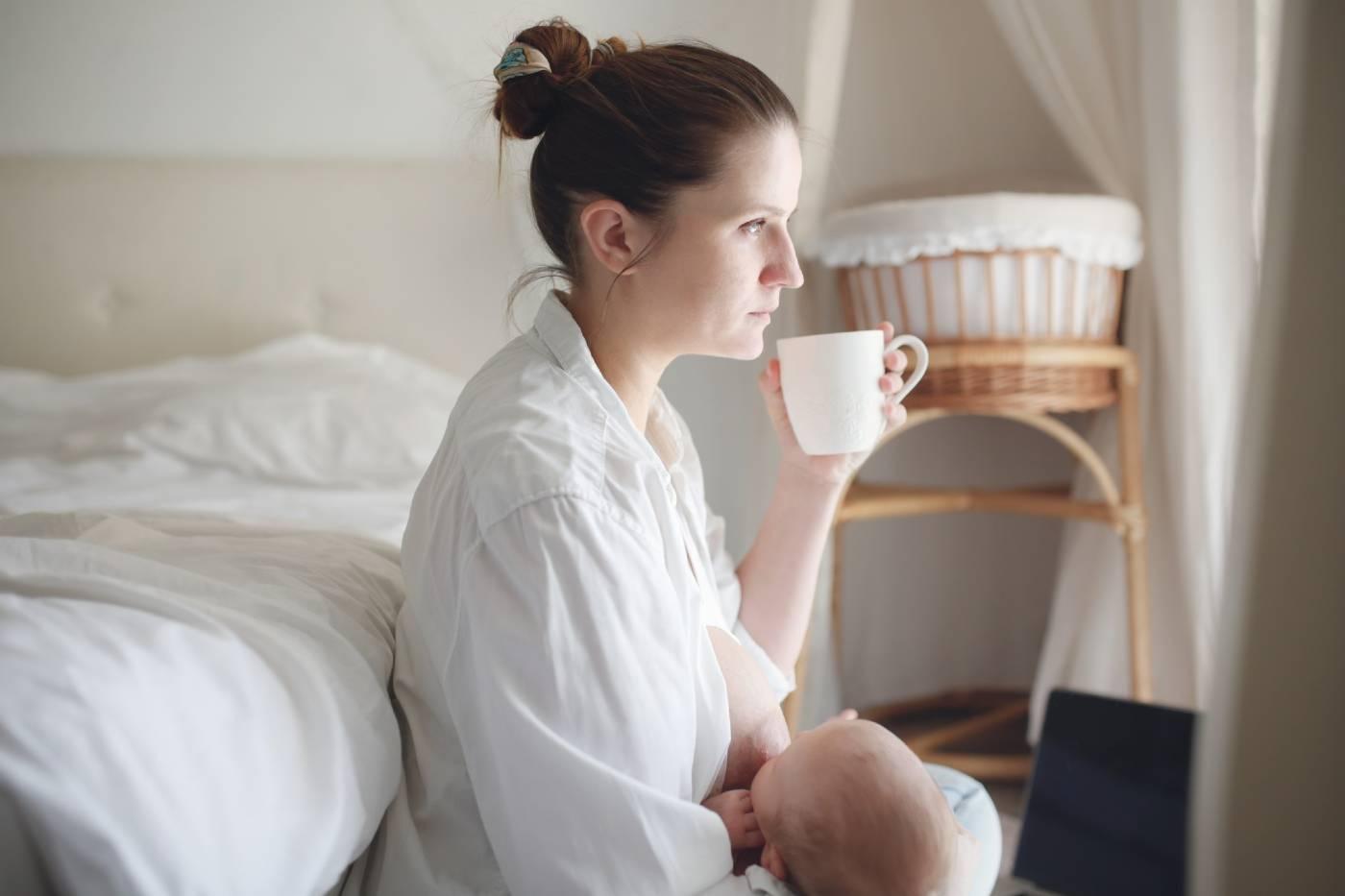
You probably feel like motherhood is rapidly aging you...and researchers have recently found that it actually is!
A new study in the journal Sleep Health, discovered that sleep-deprived new mums tack as many as seven years onto their 'biological age.' Unlike chronological age, biological age (also called physiological or functional age) indicates how old you are based on your DNA. That means, if you had your baby at 33 years old, by the time your precious nugget turns 1, your body could be that of a 40-year-old!
For this study, UCLA researchers tracked 30+ women from pregnancy to Baby’s first birthday. They monitored sleep and took blood samples to examine something called telomeres, which are wee pieces of DNA that act like protective caps at the tips of chromosomes.
What they found: More than half of the new mums studied were getting less than seven hours of sleep at both six months and one year after welcoming their sweet bundles into the world. And, those sleep-sapped mums also had shorter telomeres than those who slept longer, which could have a lasting effect on mums’ physical health, elevating their risk of numerous age-related ills, including certain cancers and cardiovascular disease.
In the UCLA press release on the study, lead researcher Judith Carroll, Ph.D., urged new parents to take advantage of opportunities to get more ZZ’s, noting that 'taking care of your sleep needs will help you and your baby in the long run.'
The good news? Taking care of baby’s sleep needs and parents’ sleep needs at the same time is possible with the paediatrician-designed and award-winning SNOO Smart Sleeper, which has been shown to aid sleep at night, helping both parents and babies stay well-rested. Learn more about the science behind the SNOO.
Avertissement : Les informations présentes sur notre site ne constituent PAS des conseils médicaux pour une personne ou une condition spécifique. Elles sont uniquement destinées à titre d'information générale. Si vous avez des questions médicales et des préoccupations concernant votre enfant ou vous-même, veuillez contacter votre fournisseur de soins de santé. Le lait maternel est la meilleure source de nutrition pour les bébés. Il est important que, en préparation et pendant l'allaitement, les mères adoptent une alimentation saine et équilibrée. La combinaison de l'allaitement au sein et au biberon dans les premières semaines de vie peut réduire la production de lait maternel de la mère et il est difficile de revenir sur la décision de ne pas allaiter. Si vous décidez d'utiliser une préparation pour nourrissons, vous devez suivre les instructions avec soin.
Principales actualités






PARTAGER CET ARTICLE
CHOIX DES PARENTS
Meilleures ventes