PARENTS
Postpartum Depression: The Top Triggers
Advice for new moms to fight PPD.

Écrit par
Dr. Harvey Karp

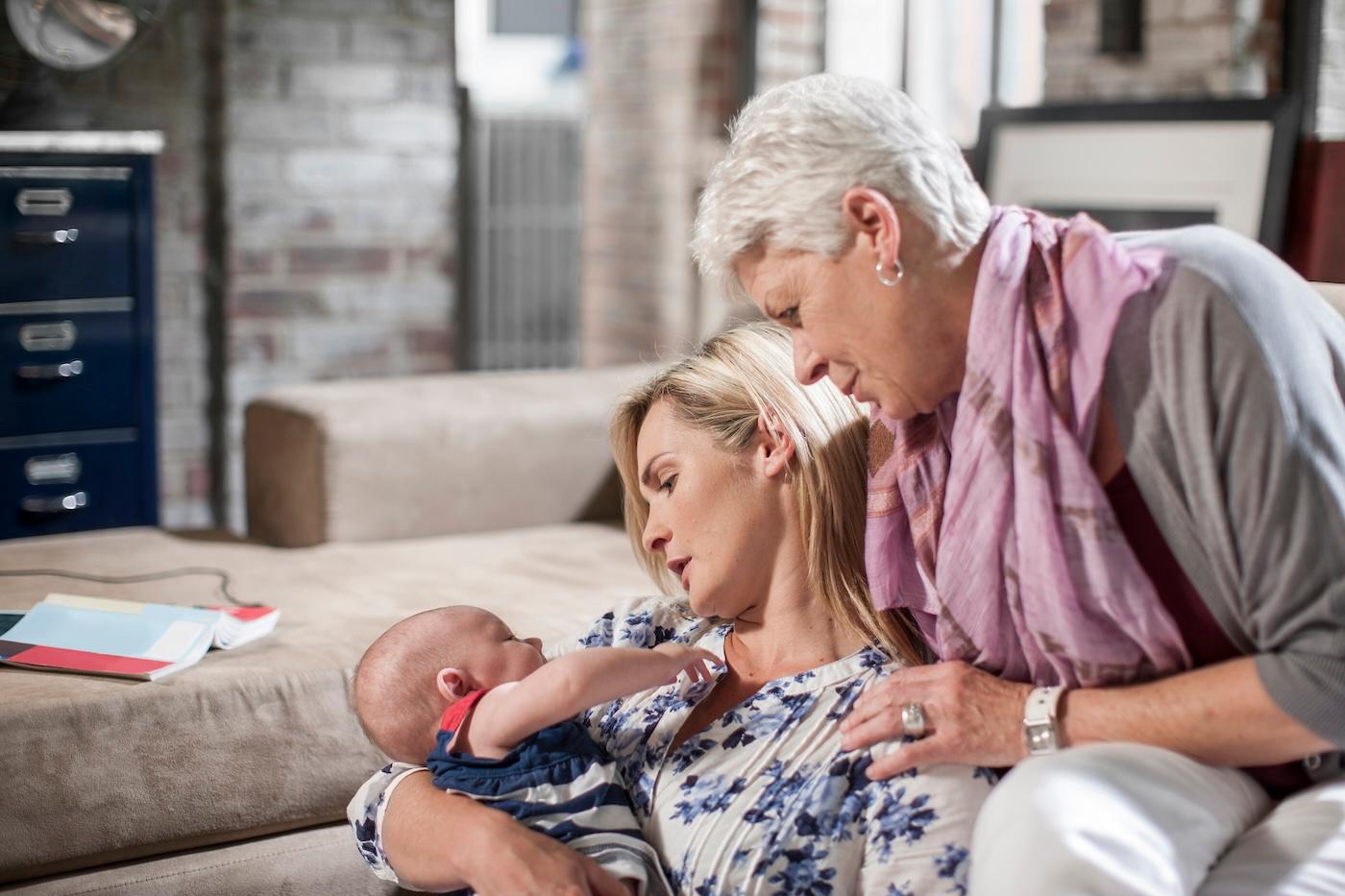
I waited to become a mother until I was 37, and I felt totally ready and excited. That’s why I was so disappointed in myself when, a few weeks after my beautiful baby was born, I felt more fear and agitation than excitement. I felt inadequate, like an imposter.” - Loretta, on postpartum depression
Studies show 15-40% of all new moms develop postpartum depression. That makes PPD a national epidemic!
Some aspects of the condition may surprise you:
- There’s no conclusion that PPD is caused by hormonal shifts.
- PPD can start right after birth or come on months later.
- The main feelings are often anxiety, fear and intrusive thoughts.
- 50% of men whose partners get PPD experience depression, too.
Most moms get just a mild case of the “baby blues,” but others become deeply depressed (and a few even develop psychosis). Being exhausted and hearing your baby’s screams may trigger a flood of painful memories (like being yelled at in anger or ridiculed). And it’s not uncommon for old feelings of shame and rage to burst back to the surface during this time. If you are feeling overwhelmed and think you might be depressed, don’t hesitate call your doctor.
The best ways to keep PPD at bay? Address the 3 biggest triggers:
- Persistent crying
- Exhaustion
- Unsupportive partners
A cool thing? The 5 S’s work on all 3 triggers directly: They calm a baby’s cries, help parents get more sleep and can be just the thing to engage an unsupportive spouse.Never forget that you need help—and deserve it! Ask a neighbor or friend to pick up dry-cleaning or walk the dog so you have less on your plate. Use technology…like Happiest Baby’s SNOO Smart Sleeper to give your whole family more rest. Hire a nanny, doula or night nurse for support around the house. Bottom line: Do what feels right to you, but don’t brave it alone. You need it—and deserve it!
Avertissement : Les informations présentes sur notre site ne constituent PAS des conseils médicaux pour une personne ou une condition spécifique. Elles sont uniquement destinées à titre d'information générale. Si vous avez des questions médicales et des préoccupations concernant votre enfant ou vous-même, veuillez contacter votre fournisseur de soins de santé. Le lait maternel est la meilleure source de nutrition pour les bébés. Il est important que, en préparation et pendant l'allaitement, les mères adoptent une alimentation saine et équilibrée. La combinaison de l'allaitement au sein et au biberon dans les premières semaines de vie peut réduire la production de lait maternel de la mère et il est difficile de revenir sur la décision de ne pas allaiter. Si vous décidez d'utiliser une préparation pour nourrissons, vous devez suivre les instructions avec soin.
Principales actualités






PARTAGER CET ARTICLE
CHOIX DES PARENTS
Meilleures ventes