BABY
How to Help a Teething Baby
Your child will want to bite on everything to help the tooth through the surface.

Écrit par
Dr. Harvey Karp
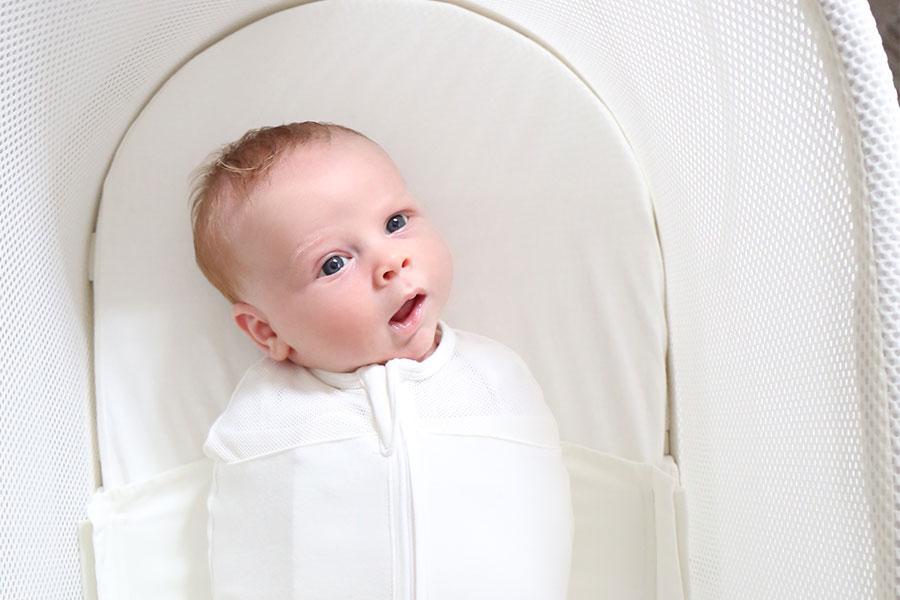
How to Help a Teething Baby
For centuries, grandmas and doctors have chalked up night waking to teething pain. There’s no question, teething can make gums throb—and make your child want to bite on everything to help push the tooth through the surface. But is this really pain, or just discomfort?
Signs a Baby is Teething
Common symptoms and signs a baby is teething include:
- Red gums. Those teeth are trying to push their way out!
- Irritability and disrupted sleep. Getting teeth is painful! Your little one might be a little grumpier as a result.
- Increased biting and sucking. When your baby is teething you may notice them biting or sucking on toys or even their fingers to relieve the pressure.
- Decreased appetite. Mouth pain might make chomping on food less appealing.
- Drooling. When your baby is teething they may start to drool more, which in turn can cause diarrhea.
- Runny nose. Some babies have a runny nose during teething.
- Ear pulling. You may notice your baby pulling on their ears to relieve the pressure and pain they’re feeling.
- Mild fever. A baby that is teething may have an elevated body temperature that is commonly referred to as “teething fever.”
- Mild rash around the mouth. If you notice that your baby is drooling more because of teething, then make sure to wipe away the drool to lower the chances of your child getting a rash around their mouth.
How Long Does Teething Last?
In truth, teething happens—on and off—for many months. So the pain can’t be so bad, or all kids would be up every night for months. Besides, most kids show no pain during the day. In short, teething is usually just an annoyance: A bit of throbbing that is easy to ignore during the day, but a bit more bothersome when lying flat in a dark, quiet room.
How to Soothe a Teething Baby at Night
The good news is good, rumbly white noise is usually all you need to distract your baby and help her sleep right though crummy-feeling gums.
Should You Use Tylenol for Teething?
However, if you think discomfort is keeping your child awake, ask your doctor about giving a good dose of ibuprofen or acetaminophen thirty minutes before bed (it takes a little time to work).
Teething Home Remedies
And, if you know that your child is going through teething, keep a few wash clothes in the freezer—whose corner was dipped in apple juice and then frozen—to let your munchkin chew on to help the throbbing while you’re waiting for the medicine to work.
Final Thoughts: How to Help a Teething Baby
Teething can be an uncomfortable time for your baby! The above tips should be able to help your teething baby find a little relief, but if the fussiness doesn’t subside or isn’t a side effect of teething, check out The Happiest Baby on the Block. Dr. Harvey Karp provides you with all the tips you need to help soothe your baby.
Avertissement : Les informations présentes sur notre site ne constituent PAS des conseils médicaux pour une personne ou une condition spécifique. Elles sont uniquement destinées à titre d'information générale. Si vous avez des questions médicales et des préoccupations concernant votre enfant ou vous-même, veuillez contacter votre fournisseur de soins de santé. Le lait maternel est la meilleure source de nutrition pour les bébés. Il est important que, en préparation et pendant l'allaitement, les mères adoptent une alimentation saine et équilibrée. La combinaison de l'allaitement au sein et au biberon dans les premières semaines de vie peut réduire la production de lait maternel de la mère et il est difficile de revenir sur la décision de ne pas allaiter. Si vous décidez d'utiliser une préparation pour nourrissons, vous devez suivre les instructions avec soin.
Principales actualités






PARTAGER CET ARTICLE
CHOIX DES PARENTS
Meilleures ventes