BABY
AAP Updates Guidelines on Safe Sleep and SIDS Prevention
Reduce the risk of SIDS and suffocation for your baby with this guide to safe sleep.

Écrit par
Dr. Harvey Karp
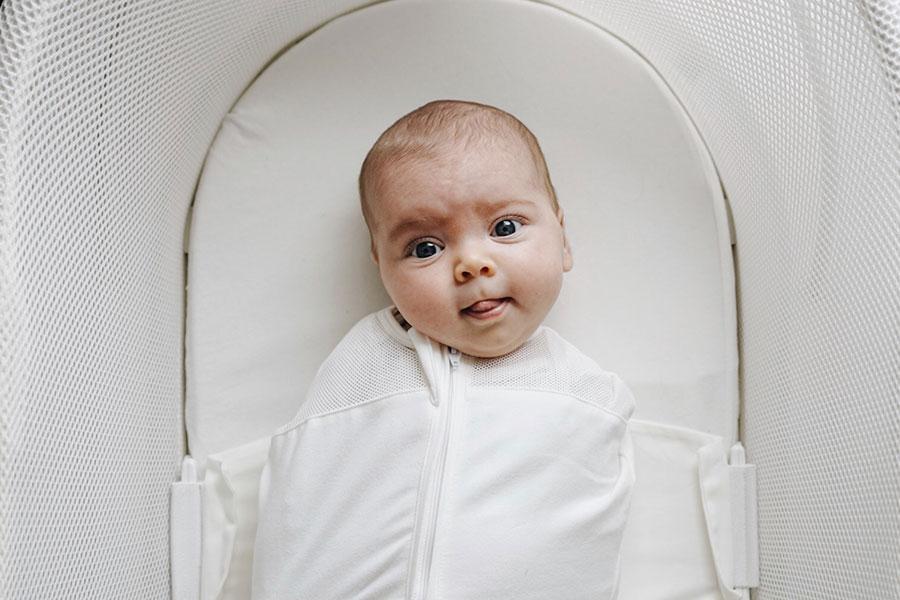
The American Academy of Pediatrics (AAP) updated their safe sleeping recommendations to include advice that infants sleep in the same bedroom with their parents for at least 6 months, in a separate sleeping space from their parents and always on the back.
They advise against bed-sharing for all babies and add that an infant should never sleep on a couch, armchair or other soft sleeping surface.
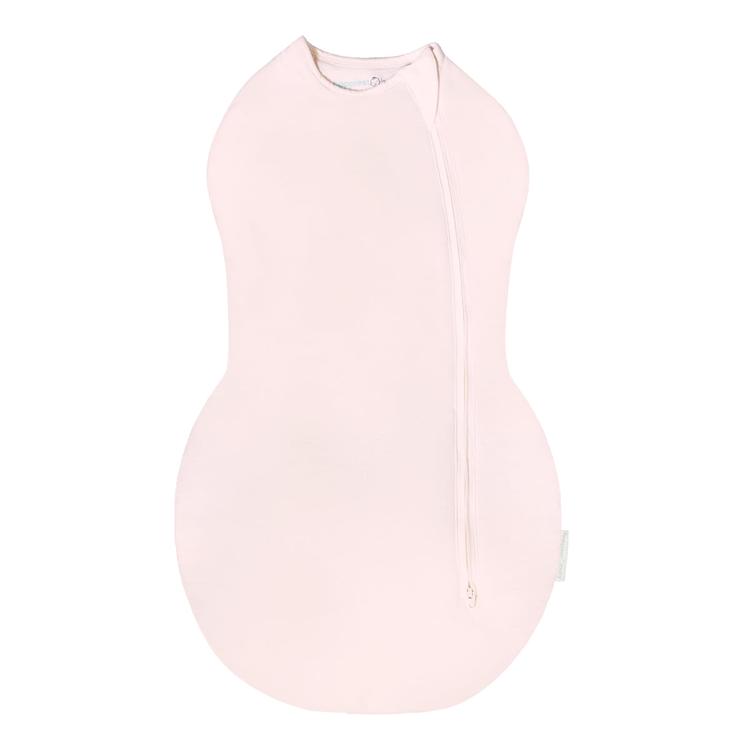
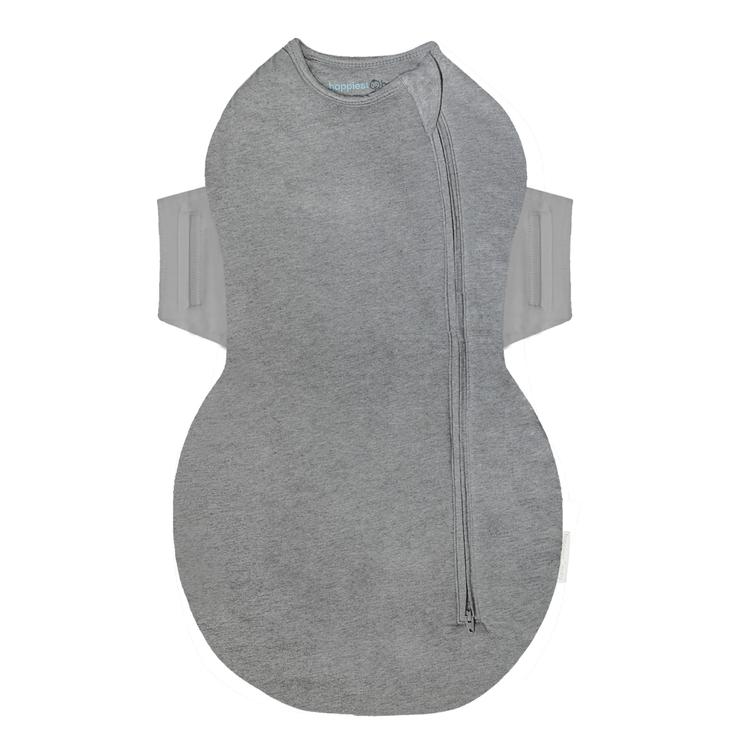
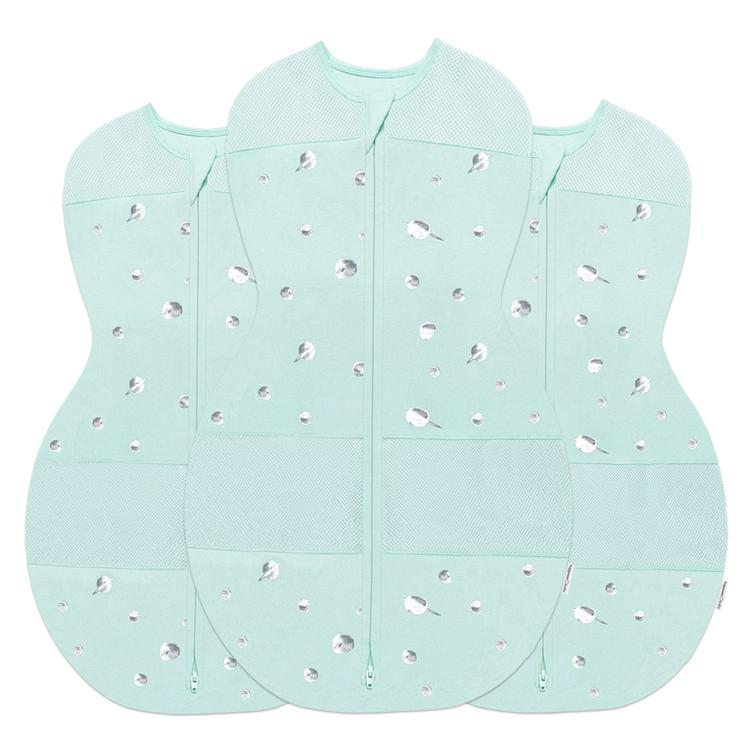
Swaddling is recommended but, the Academy stresses, only when a baby sleeps on the back; swaddling should stop as soon as babies can roll over.
The goal of these new guidelines is to clarify the safest sleep practises, in order to reduce the risks of sudden infant death syndrome (SIDS), suffocation and strangulation. These risks to babies are heightened with unsafe sleeping practises, resulting in more than 3,500 babies in the U.S. dying each year unexpectedly.
Dr. Lori Feldman-Winter, a co-author of the new report, explained, "A baby that is within reach of their mother may have more comfort or physical stimulation from being in an environment with another person.” She also remarked that sleeping with your baby near-by promotes breastfeeding, which in itself has been shown to reduce the risk of SIDS by 70%.
A summary of the key points:
- Sleeping flat on the back is recommended for as long as possible (up to 1 year)
- Sleeping in the same room as parents is recommended (up to 1 year)
- Bed-sharing and sleeping on couches, chairs, etc. are not recommended
- Swaddling for sleep should be stopped as soon as babies begin to roll over
- Sitting devices (swings, car seats, etc.) should not be used for sleep
- There is not enough research on in-bed sleepers (devices that hold babies in place in an adult bed) to determine if they are safe or not.
Read the AAP’s full guidelines for parents on their site, Healthychildren.org.
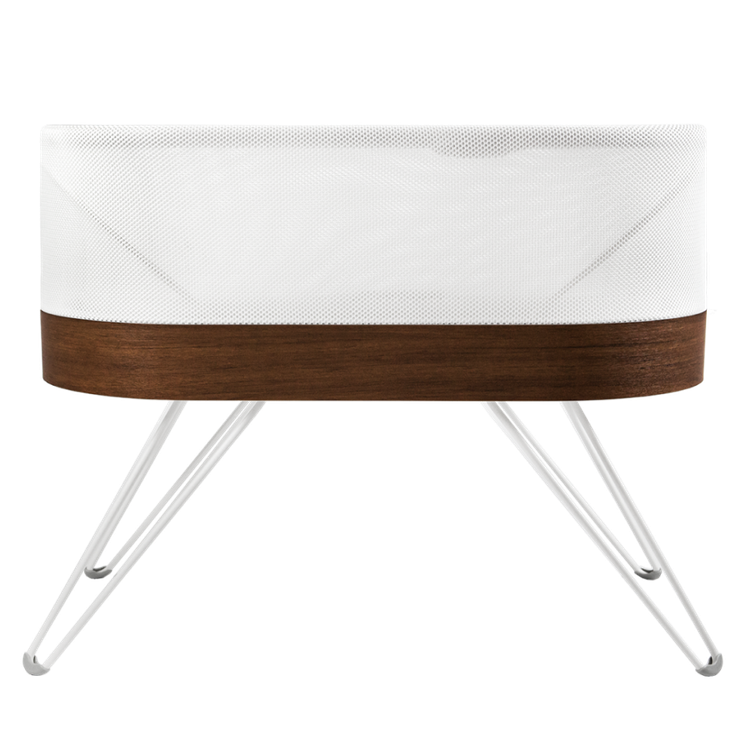
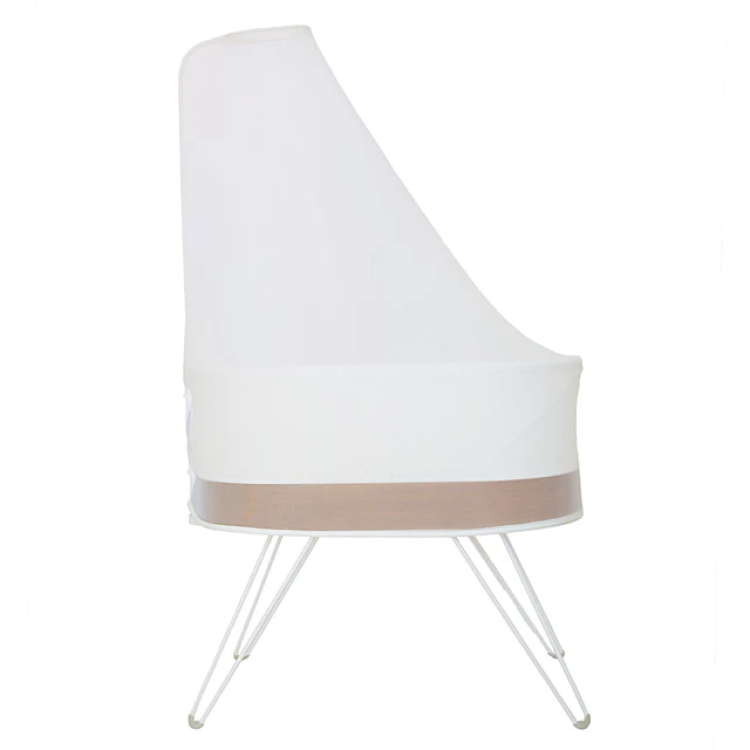
Happiest Baby’s founder, Dr. Harvey Karp, is a long-time advocate for safe sleeping and SIDS prevention. While the causes of SIDS aren't known, the latest evidence shows that sleeping on the back significantly reduces the risk of SIDS. With this in mind, Happiest Baby created SNOO Smart Sleeper, the baby bed that prevents accidental rolling to the stomach. At this time, it is the only bed on the market that ensures an infant will sleep on the back, per the latest AAP recommendation (October 2016).
Avertissement : Les informations présentes sur notre site ne constituent PAS des conseils médicaux pour une personne ou une condition spécifique. Elles sont uniquement destinées à titre d'information générale. Si vous avez des questions médicales et des préoccupations concernant votre enfant ou vous-même, veuillez contacter votre fournisseur de soins de santé. Le lait maternel est la meilleure source de nutrition pour les bébés. Il est important que, en préparation et pendant l'allaitement, les mères adoptent une alimentation saine et équilibrée. La combinaison de l'allaitement au sein et au biberon dans les premières semaines de vie peut réduire la production de lait maternel de la mère et il est difficile de revenir sur la décision de ne pas allaiter. Si vous décidez d'utiliser une préparation pour nourrissons, vous devez suivre les instructions avec soin.
Principales actualités






PARTAGER CET ARTICLE
CHOIX DES PARENTS
Meilleures ventes