BABY
7 Ways Babies Benefit From Getting Outside
There are scientific advantages to exposing your wee one to the great outdoors.
Écrit par
Happiest Baby Staff

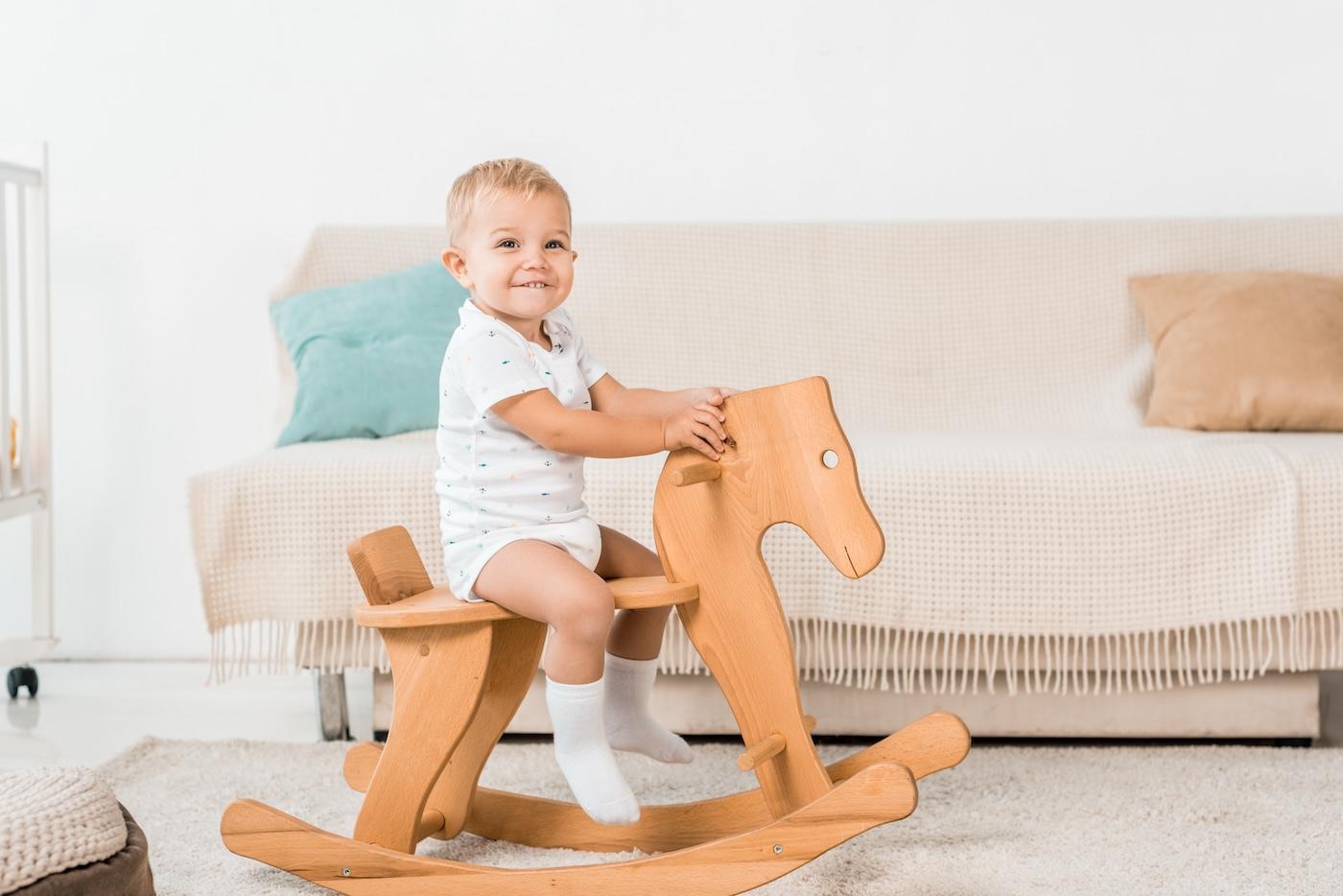
Have you ever brought your baby outside and noticed that they come alive as the wind ruffles their hair and sunbeams dance on their face? Maybe there is something about the limitless sky or the endless discoveries to be made. And, it turns out that beyond these sensory delights, there are scientific advantages to exposing your wee one to the great outdoors. Here are seven fantastic benefits of getting your baby outside.
Dirt can help boost a baby's immune system.
Dirt is your child's friend...really! As a parent, you might be reluctant to let your child get filthy from playing in the dirt (and yes, even eating it), but research suggests all that exposure to the yucky stuff can actually help boost your child's immune system.
Outdoor play can make you happier.
Endorphins are chemical messengers from the brain that can do magical things like manage pain and even bring pleasure. As your blood and lungs pump during exercise, your brain releases endorphins and makes you happy. Grown-ups might know the feeling of a 'runner's high.' And kids might know this feeling as the pure joy sparked by frolicking outside. Allow your baby to roll around on a blanket in the grass or practice those first steps at the park, and they might just be able to bask in those blissful brain chemicals, too.
The outdoors help babies learn.
When you bring a baby outside and begin pointing out all the wonderful things they can see, hear, touch, smell, and even taste (hello, rain!) then you are giving your child a robust learning experience that can build their vocabulary and fire up their imagination. One fun activity is to give your baby a tour of one particular sense, like smell or sight, and point out all of the things they can experience with that sense.
Spending time outside helps foster a love of nature.
If you give your baby lots of opportunities to commune with nature, then they might grow up to be a nature lover! Taking daily walks and talking about how much you love the sunshine, the singing birds, the feel of the air, or pointing out plants, bugs, and critters can ignite your child’s curiosity and appreciation for the great outdoors.
Newborns who spend time outside sleep better at night.
In a 2004 study, researchers found that babies who spent time outside in the sun slept better than babies who did not spend time outside. The results indicated that natural light affects a baby's circadian rhythms, and exposure to early afternoon sunlight helped their brains better identify when they should sleep and when they should wake.
Spending time outside might prevent allergies.
The modern home is a miracle of convenience in numerous ways. But one downside to all that convenience is that modern methods of cleaning have created homes that do not have enough germs. Researchers are finding that kids who go outside and are exposed to germs not only have better immune systems, but they might also be able to prevent developing allergies and asthma when they get older.
Live near the ocean? Salty air can heal what ails you.
Were those Victorians who summered by the sea for the beneficial effects of salt air right along? It turns out, yes. According to the Lung Health Institute, breathing in salty ocean air has lots of health benefits, including alleviating sinus and breathing problems. Even if your baby does not have lung issues, breathing in salty air can still be invigorating!
Avertissement : Les informations présentes sur notre site ne constituent PAS des conseils médicaux pour une personne ou une condition spécifique. Elles sont uniquement destinées à titre d'information générale. Si vous avez des questions médicales et des préoccupations concernant votre enfant ou vous-même, veuillez contacter votre fournisseur de soins de santé. Le lait maternel est la meilleure source de nutrition pour les bébés. Il est important que, en préparation et pendant l'allaitement, les mères adoptent une alimentation saine et équilibrée. La combinaison de l'allaitement au sein et au biberon dans les premières semaines de vie peut réduire la production de lait maternel de la mère et il est difficile de revenir sur la décision de ne pas allaiter. Si vous décidez d'utiliser une préparation pour nourrissons, vous devez suivre les instructions avec soin.
Principales actualités






PARTAGER CET ARTICLE
CHOIX DES PARENTS
Meilleures ventes