BABY
How to Calm a VERY Fussy Baby
Fretful infants need a little more vigor to soothe and fall asleep.

Écrit par
Dr. Harvey Karp

Soft whispers and gentle rocking are perfect for calm babies. But very fussy newborns need a bit more vigour to help them calm and fall asleep. This sounds as wrong as the advice to add a slimy, raw egg to a cake mix…yet it is definitely the best way to calm very fussy newborns at night!
How to Calm VERY Fussy Newborns at Night That Will Not Sleep
Think of turning on the calming reflex like getting someone’s attention. If a person is engaged in a heated argument, you may have to tap his shoulder several times––very emphatically––just to get him to respond.
Vigour is exactly why hoover sounds and car rides on bumpy roads calm babies. And it is why grabbing the swing seat and giving some fast––but tiny––jiggles is essential to flip on the calming reflex in a screaming, motion-loving baby.
(Of course, you must never shake your baby! When jiggling, always support your baby’s head and neck, and keep your movements to just a couple centimetres back and forth.)
More Tips for Calming Fussy Newborns That Will Not Sleep At Night
If vigourous rocking does not soothe your baby, you can try some of the below tips for calming fussy newborns and preventing nighttime fussing in the first place:
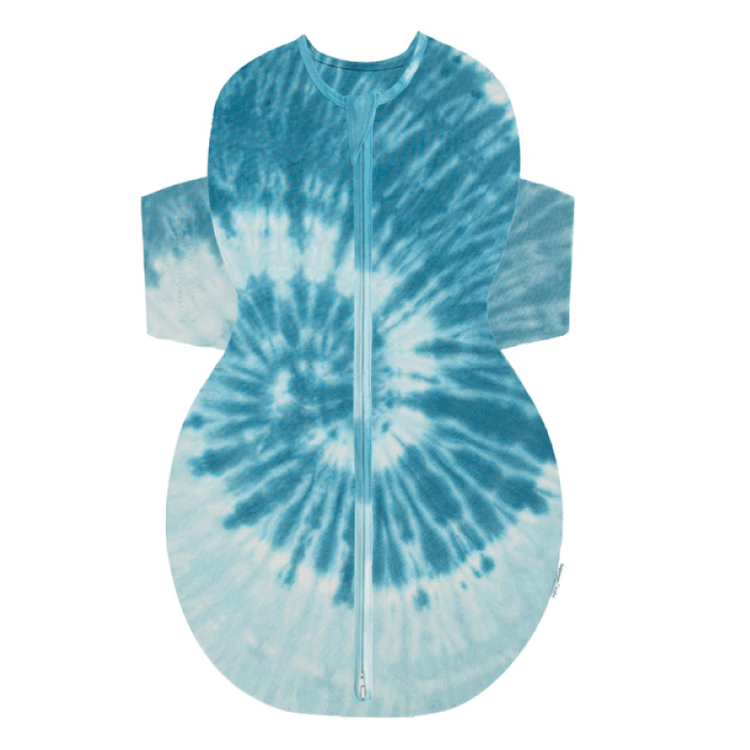
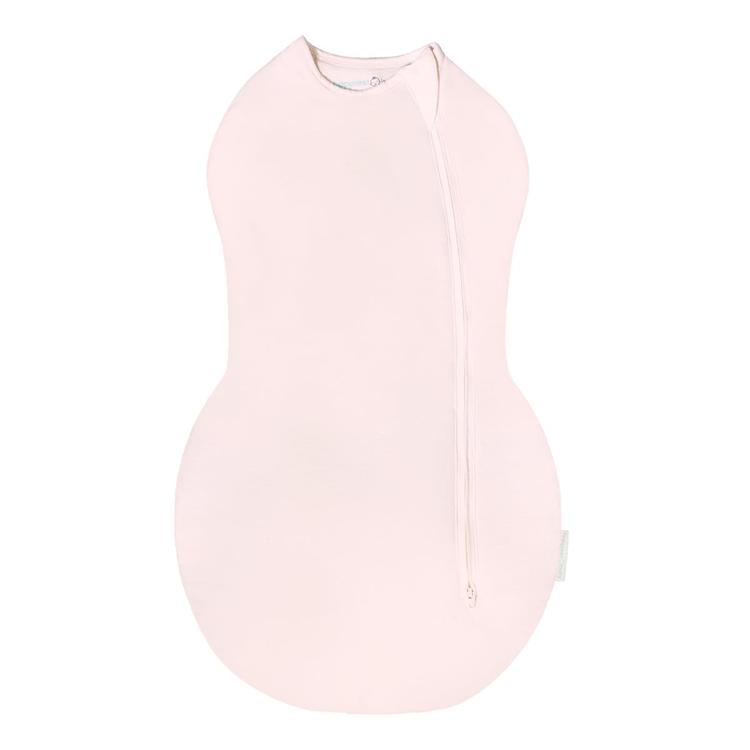
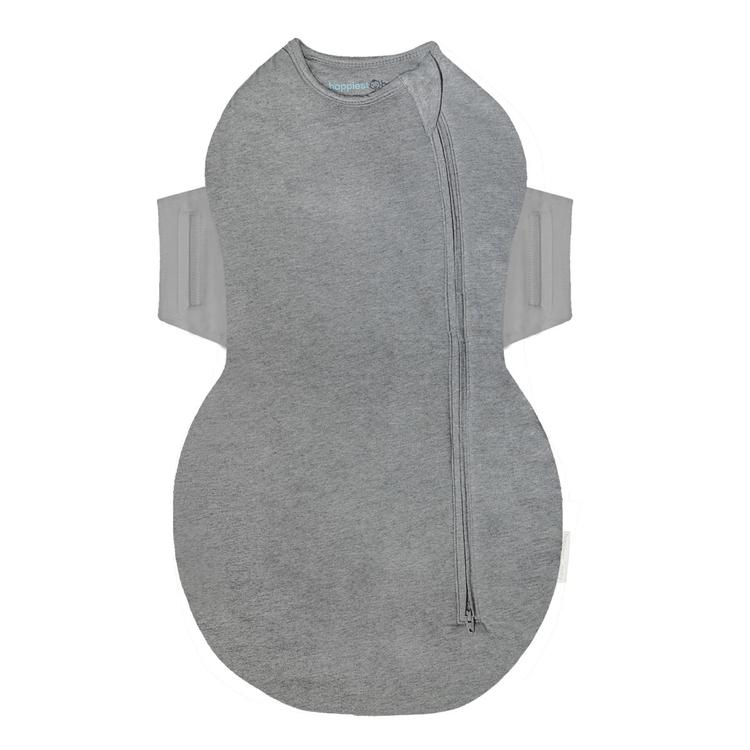
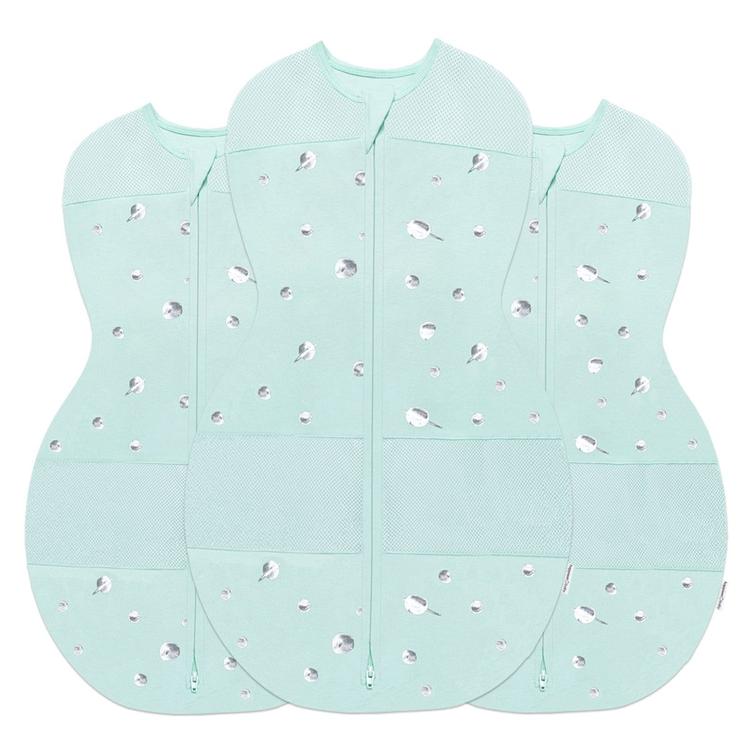
- Swaddling. Swaddling helps recreate the snug surroundings of the womb. We recommend trying the swaddling method found in our article “How to Swaddle a Baby.”
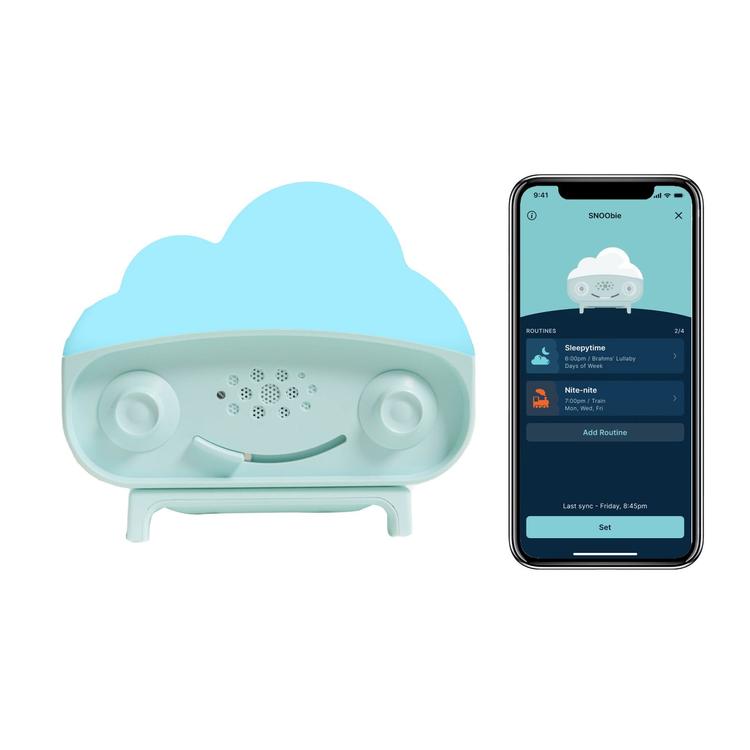
- Use white noise. While in the womb, your baby was constantly surrounded by noise and activity, so putting them down in a silent room feels really weird to them! That is where white noise comes into play. Check out our list of the best white noise sounds for your baby.
- Create a (flexible) schedule during the day. This will help prevent your little one from getting overtired...and cranky.
- Create a sleep-friendly environment. Your baby may be hot or cold, or maybe there is too much light in the room. Be sure to limit light at night, and keep your baby at a comfortable temperature.
- Encourage pooping. Some belly massage and knee-to-tummy exercises may help get things moving during the day so nighttime sleep is not disturbed.
Why Newborns Are Fussy at Night and Will Not Sleep
If your newborn is extremely fussy and will not stop crying or sleep, then some possible causes include:
- Your baby is still hungry.
- Your newborn may be fussy because he is too hot or cold.
- Your newborn may not be ready to sleep because he has a dirty or wet nappy.
- Your baby may be experiencing tummy troubles.
- Your newborn may be overstimulated.
- Your newborn may be fussy because he is overtired.
- Your baby may be sick. Take your baby’s temperature, and if he is running a fever, call your healthcare provider right away.
Final Thoughts: How to Calm Fussy Newborns That Will Not Sleep
Think of baby calming as a dance…and your little love is leading. When he is wailing, do the 5 S's with more intensity in your shush and jiggle. Then, as he calms, gradually reduce your effort and guide him down to a soft landing where he is swaddled with white noise (as loud as a shower), and perhaps some sucking or gentle rocking.
Avertissement : Les informations présentes sur notre site ne constituent PAS des conseils médicaux pour une personne ou une condition spécifique. Elles sont uniquement destinées à titre d'information générale. Si vous avez des questions médicales et des préoccupations concernant votre enfant ou vous-même, veuillez contacter votre fournisseur de soins de santé. Le lait maternel est la meilleure source de nutrition pour les bébés. Il est important que, en préparation et pendant l'allaitement, les mères adoptent une alimentation saine et équilibrée. La combinaison de l'allaitement au sein et au biberon dans les premières semaines de vie peut réduire la production de lait maternel de la mère et il est difficile de revenir sur la décision de ne pas allaiter. Si vous décidez d'utiliser une préparation pour nourrissons, vous devez suivre les instructions avec soin.
Principales actualités

PARTAGER CET ARTICLE
CHOIX DES PARENTS
Meilleures ventes