BABY
Colicky Crying: When to Call the Doctor
Fortunately, most colicky babies aren’t sick babies, they’re more “homesick” than anything—they’re struggling to cope with life outside mama’s womb.

Écrit par
Happiest Baby Staff
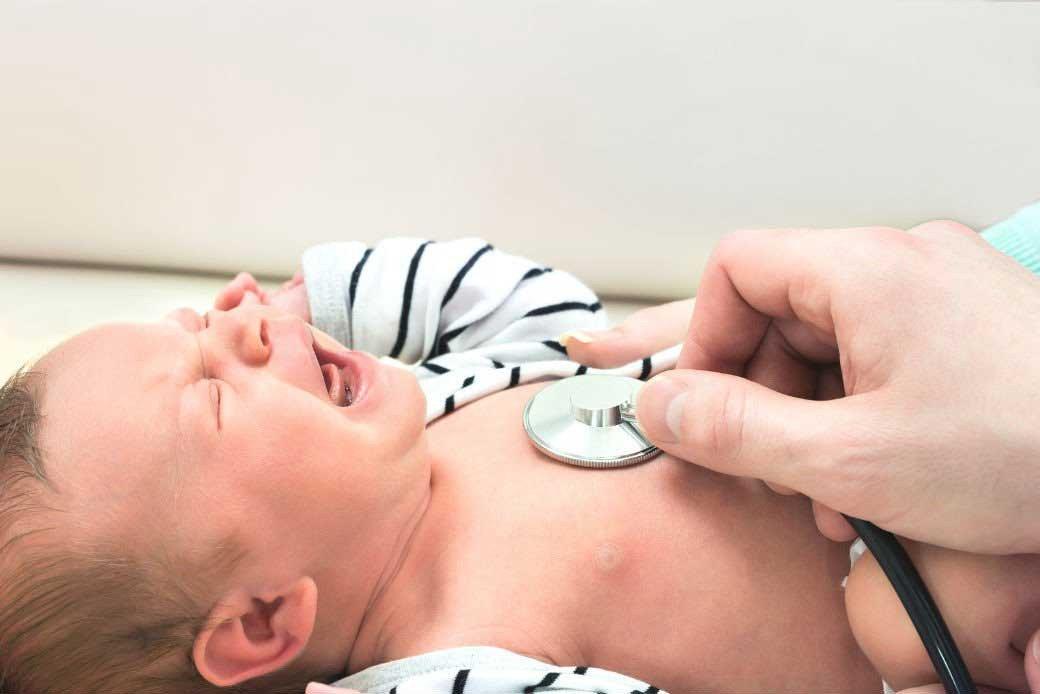
Fortunately, most colicky babies are not sick babies, they are more “homesick” than anything—they are struggling to cope with life outside mums womb. That is why using the 5 S’s method for soothing babies can be so helpful. But, what is a parent to do if they are not doing the trick?
First, make sure you are doing them correctly (review the Happiest Baby DVD/ streaming video be sure.) If you are confident you have mastered the technique—it is wise to have your child examined by a paediatrician to make sure your little one is not sick.
3 Questions a Healthcare Provider Will Ask
When you speak with your healthcare provider, they will likely ask the following questions to figure out if your child just has colic, or something more serious:
- Is your baby growing well?
- Is your child normal in all other ways?
- Is your baby content and alert for long periods of the day?
If you answered no to any of these questions, your healthcare provider will then ask how your baby acts when he is not crying. She is checking for the following symptoms:
Ten Red-Flags: Signs of a Problem
- Persistent moaning (frequent groans and weak cries)
- Shrill cry (high pitched and sharp, unlike your baby’s usual cry sound)
- Vomiting (more than 1 ounce per episode; more than 5 episodes a day; or any green or yellow vomit)
- Change in stool (constipation or diarrhea, especially with blood)
- Fussing during eating (twisting, arching, crying that begins during or shortly after a feed)
- Abnormal temperature (a rectal temperature over 100.4°F or under 97.5°F)
- Irritability (persistent crying with almost no calm periods)
- Lethargy (a baby sleeping twice as long as usual, acting “out of it,” or not sucking well over an 8- to 12-hour period)
- Bulging soft spot on the head (even when your baby is sitting up)
- Poor weight gain (gaining less than a half ounce a day)
Note: Food allergy/sensitivity is the only common medical cause of colic. While some more serious problems are possible, it is important to have the perspective that they occur in less than 1% of fussy babies. Get your baby checked by a healthcare provider to know for sure.
Avertissement : Les informations présentes sur notre site ne constituent PAS des conseils médicaux pour une personne ou une condition spécifique. Elles sont uniquement destinées à titre d'information générale. Si vous avez des questions médicales et des préoccupations concernant votre enfant ou vous-même, veuillez contacter votre fournisseur de soins de santé. Le lait maternel est la meilleure source de nutrition pour les bébés. Il est important que, en préparation et pendant l'allaitement, les mères adoptent une alimentation saine et équilibrée. La combinaison de l'allaitement au sein et au biberon dans les premières semaines de vie peut réduire la production de lait maternel de la mère et il est difficile de revenir sur la décision de ne pas allaiter. Si vous décidez d'utiliser une préparation pour nourrissons, vous devez suivre les instructions avec soin.
Principales actualités






PARTAGER CET ARTICLE
CHOIX DES PARENTS
Meilleures ventes