TODDLER
When Do Toddlers Stop Napping?
Learn the early signs that the nap is waning.

Escrito por
Dr. Harvey Karp
When Do Toddlers Stop Napping
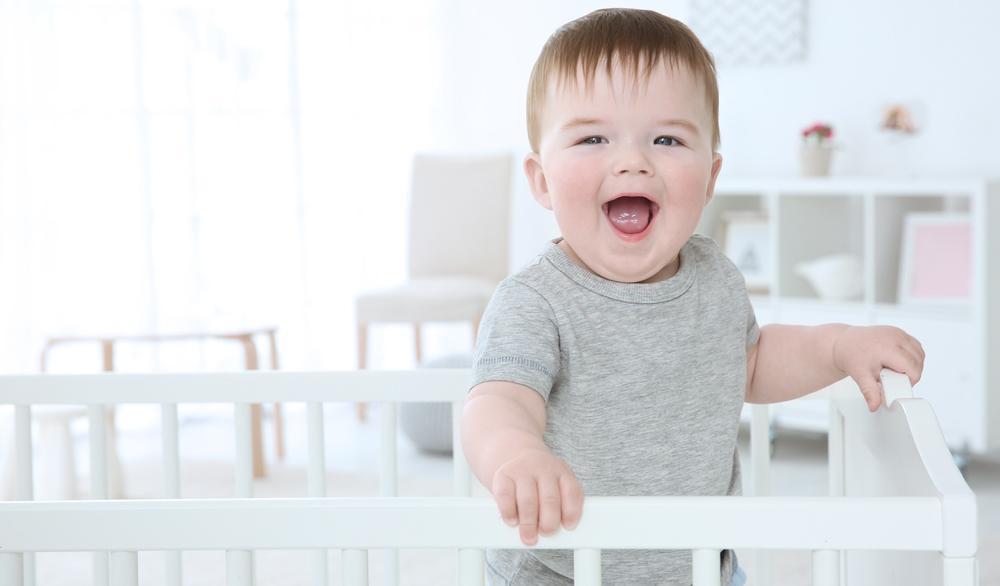
Like big, clumsy birds that plop back to earth a few times as they run, trying to get airborne, some toddlers take many weeks—bouncing along—before they are definitely able to take flight and say au revoir to their last nap. They struggle to stay awake during play and fall fast asleep the instant they are put in the car. And they become wild during afternoon play—melting into tearful streams of ‘no, no, no!’—yet keel over in the high chair before they get even halfway through dinner.
At What Age Do Toddlers Stop Napping?
About 20% of 2-year-olds have stopped all naps—although you can be sure those parents wish they still had that little break during the day! By the 3rd birthday, 43% of kids no longer nap. And that increases to 74% of 4-year-olds and 85% of 5-year-olds. An early sign that the nap is waning is when your child sleeps at preschool but skips it on the weekend.
Most kids take this final step over several weeks—napping some days and not others. Ultimately, your child will completely switch to an afternoon quiet time.
When your toddler gives up her last nap, expect her to start running out of petrol earlier in the evening. So be prepared to slide dinner and bedtime an hour earlier.
How Do You Know Your Toddler is Ready To Stop Napping?
A telltale sign that your child is ready to drop naps is if they are not sleepy during the day, or if their naps make it harder for them to sleep at night. If your child is able to skip naps without any sign of crankiness or exhaustion, then they may be ready to stop napping.
Surprisingly, your 4-year-old will go to bed earlier than she did at 18 months! But that is what she must do to continue getting 10-12 hours of sleep a day after napping is finished. (And do not be surprised if, during this transition, your love-bug also awakens in the morning a little earlier than usual.)
Descargo de responsabilidad: La información en nuestro sitio NO es un consejo médico para ninguna persona o condición específica. Solo se proporciona como información general. Si tiene alguna pregunta o preocupación médica sobre su hijo o sobre usted mismo, por favor contacte a su proveedor de salud. La leche materna es la mejor fuente de nutrición para los bebés. Es importante que, en preparación para la lactancia y durante la misma, las madres lleven una dieta saludable y equilibrada. La combinación de lactancia materna y alimentación con biberón en las primeras semanas de vida puede reducir la producción de leche materna y es difícil revertir la decisión de no amamantar. Si decide utilizar fórmula infantil, debe seguir las instrucciones cuidadosamente.
Principales noticias






COMPARTIR ESTE ARTÍCULO
ELECCIONES DE LOS PADRES
Más vendidos