TODDLER
What’s Your Toddler’s Temperament Type?
You’ll find parenting makes a lot more sense when you figure out your toddler’s unique temperament.

Escrito por
Dr. Harvey Karp
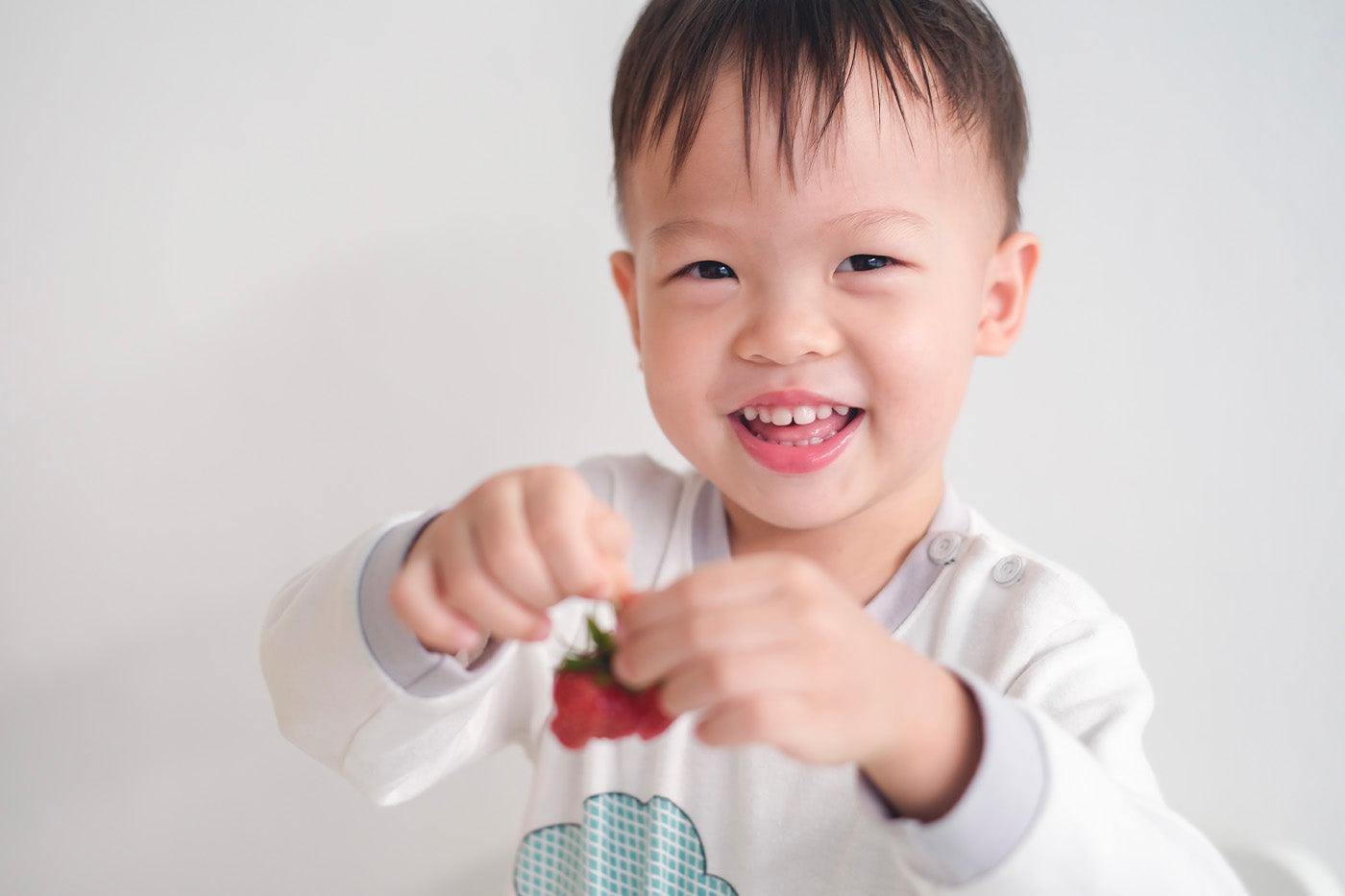
Each child is born with a personality as matchless as his fingerprints. It’s a mixture of intelligence, humor, and a fascinating quality called temperament.
What Is Toddler Temperament?
Your tot’s temperament is his style of interacting with the world: his pacing, attitude, flexibility, and general mood. Is he cautious or brave? Stubborn or easygoing? Mild or passionate? Temperament explains why some of us can sleep with the TV on, while others go nuts with the tiniest noise, why some forgive easily, and others just can’t let go. Knowing your child’s temperament helps you know when to pamper and when to push.
Temperament tends to pass from parent to child. So, shy parents often have shy kids and passionate parents usually have little chili peppers. But sometimes nature throws a curveball and a couple of librarians beget a heavy-metal rocker. Knowing your child’s developmental stage tells you which milestone she’s approaching, but knowing her temperament lets you predict whether she’ll greet it with gusto or approach it with caution.
So what temperament does your child have? In general, temperament comes in one of three categories: easy, shy, and spirited.
Easy Toddler Temperament
About half of all kids are easygoing. They wake up “on the right side of the bed,” cheerful and ready for a new day. They’re active (but not wild), tolerate changes well, and enjoy new people and situations. Easy kids are resilient. They bounce back from bangs and disappointments with a smile. Yet when push comes to shove, they’re perfectly capable of both pushing and shoving!
Shy Toddler Temperament
About 15% of kids are shy, cautious, and slow to warm up to new experiences. By 9 months, most easy babies smile at strangers passing by, but shy kids frown and cling to us for safety, frequently waving bye-bye only after a guest leaves. Cautious kids are often extra-sensitive. They don’t like their milk too cold or pants that are too scratchy. They’re easily frustrated, fearful, clingy, and unhappy with changes. Cautious kids also tend to be very observant. These are the kids who recognize where they’re going and may start to cry a block before you arrive at the doctor’s office! They are often early talkers but late walkers, and their motto is, “When in doubt…don’t!”
Your shy tot may start the “terrible twos” early (15 to 18 months), but if you treat him with patience and respect, he will finish the toddler years happy and confident. (Warning: Shy, cautious young children should be shielded from pressure and excessive criticism. That type of rejection can make a shy child fearful and rigid for the rest of his life.)
Spirited Toddler Temperament
One in 10 toddlers is a strong-willed, spirited tyke. These “roller-coaster kids” have high highs and low lows. And when the sparks of daily stress mix with the TNT of their explosive personalities…KABOOM! Parents usually know if they have a spirited/challenging child because they’re the “more” kids: They’re more active, more impatient, more impulsive, more defiant, more rigid, more intense, and more sensitive.
How to Figure Out Your Toddler’s Temperament
Let’s take your toddler’s temperament “temperature.” Look over the traits for each temperament style. Which traits best describe your child?
Traits of an Easy Toddler Temperament
- Active
- Has predictable eating and sleeping habits
- Interested in meeting new people
- Handles unexpected change easily
- Mild intensity of feelings
- Typically happy or easygoing
- Okay with not getting his way
- Focused
- Not sensitive to noises or smells
Traits of a Shy Toddler Temperament
- Likes quiet play
- Predictable eating and sleeping habits
- Reluctant when meeting new people
- Unhappily handles unexpected changes
- Intensity of feelings can be mild or spirited
- Happy, but easily thrown off balance
- May give up or be tenacious
- Very focused
- Ultrasensitive to noises or smells
Traits of a Spirited Toddler
- Fidgets a lot and is very active
- Unpredictable eating and sleeping patterns
- Either is delighted by meeting new people or rejects them
- May handle change well or get very upset
- Passionate feelings
- Mood has big ups and downs
- Doesn’t give up
- Easily distracted
- Either not sensitive to noises/smells or very sensitive to noises/smells
The 10-Second Temperament Test
Still not sure which category describes your child? This little test may help: Go to an uncrowded mall, release your child’s hand, and pretend to turn your back for two seconds. (Keep a close watch out of the corner of your eye.) What does she do? Stand there? (Easy.) Grab your coat and cry? (Shy.) Run away without looking back? (Spirited.) The answer will give you a pretty good reading of your child’s temperament.
Now that you have a better sense of what makes your little friend tick, and what may be preventing her from behaving the way you want her to, you can better address the day-to-day challenges of toddlerdom.
For more advice about eliminating tantrums and raising patient, respectful, and cooperative toddlers, check out my best-selling book, The Happiest Toddler on the Block.
Descargo de responsabilidad: La información en nuestro sitio NO es un consejo médico para ninguna persona o condición específica. Solo se proporciona como información general. Si tiene alguna pregunta o preocupación médica sobre su hijo o sobre usted mismo, por favor contacte a su proveedor de salud. La leche materna es la mejor fuente de nutrición para los bebés. Es importante que, en preparación para la lactancia y durante la misma, las madres lleven una dieta saludable y equilibrada. La combinación de lactancia materna y alimentación con biberón en las primeras semanas de vida puede reducir la producción de leche materna y es difícil revertir la decisión de no amamantar. Si decide utilizar fórmula infantil, debe seguir las instrucciones cuidadosamente.
Principales noticias






COMPARTIR ESTE ARTÍCULO
ELECCIONES DE LOS PADRES
Más vendidos