TODDLER
A Scary Tantrum Side Effect: Breath-Holding
If you have experienced this frightening situation, you have probably wondered how to deal with them in the moment…and how to prevent them from happening again.

Escrito por
Happiest Baby Staff
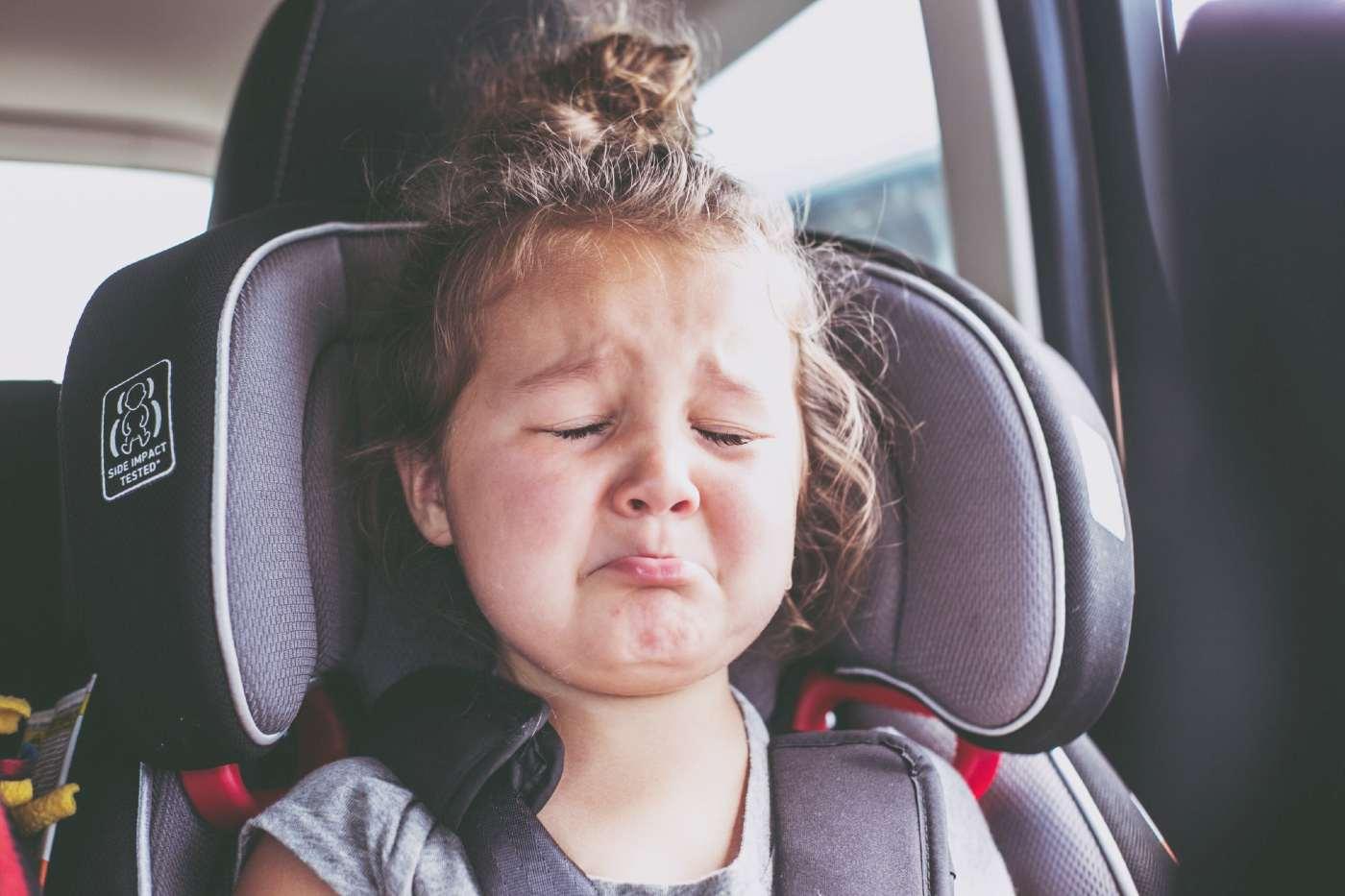
Here is a scary tantrum side effect: Your toddler is wailing and screaming so hard that they pass out! If you have experienced this frightening situation firsthand, you have probably wondered how to deal with toddler breath-holding spells in the moment…and more importantly, how to prevent them from happening again.
The good news is that while breath-holding during a tantrum looks really scary, fortunately it is usually not a big deal. Typically, what happens is that young toddlers (15- to 30-month-olds) suddenly get upset (mad, scared, or startled) and try to cry, but although their mouths open, no sound comes out. For 30 to 40 seconds, they keep getting bluer (or paler) until they pass out. (Sometimes the body may twitch a little too.)
In essence, these kids 'forget' to breathe! But the instant they pass out, their breathing starts again automatically, and they revive in seconds.
If you can reach your child before he passes out, wet your hand and sprinkle a little cool water right in his face or puff hard a few inches from his face for several seconds (like you are blowing out birthday candles). This can often prevent a spell and make the child gasp, sputter, and start breathing.
Simple breath-holding spells are not dangerous. There is no risk of injury (as long as they do not fall and hit their heads). Nevertheless, you should immediately call your doctor to make sure it was not due to a seizure or other medical condition (like anemia). Ask your healthcare provider if your child needs an iron supplement to keep the spells from happening again.
Hopefully reading this has made you feel like you can…breathe a little easier.
Descargo de responsabilidad: La información en nuestro sitio NO es un consejo médico para ninguna persona o condición específica. Solo se proporciona como información general. Si tiene alguna pregunta o preocupación médica sobre su hijo o sobre usted mismo, por favor contacte a su proveedor de salud. La leche materna es la mejor fuente de nutrición para los bebés. Es importante que, en preparación para la lactancia y durante la misma, las madres lleven una dieta saludable y equilibrada. La combinación de lactancia materna y alimentación con biberón en las primeras semanas de vida puede reducir la producción de leche materna y es difícil revertir la decisión de no amamantar. Si decide utilizar fórmula infantil, debe seguir las instrucciones cuidadosamente.
Principales noticias






COMPARTIR ESTE ARTÍCULO
ELECCIONES DE LOS PADRES
Más vendidos