TODDLER
How to Remove a Splinter
For little kids, pulling a splinter out, no matter how tiny, can be pretty scary business. Here is what you need to do.

Escrito por
Happiest Baby Staff
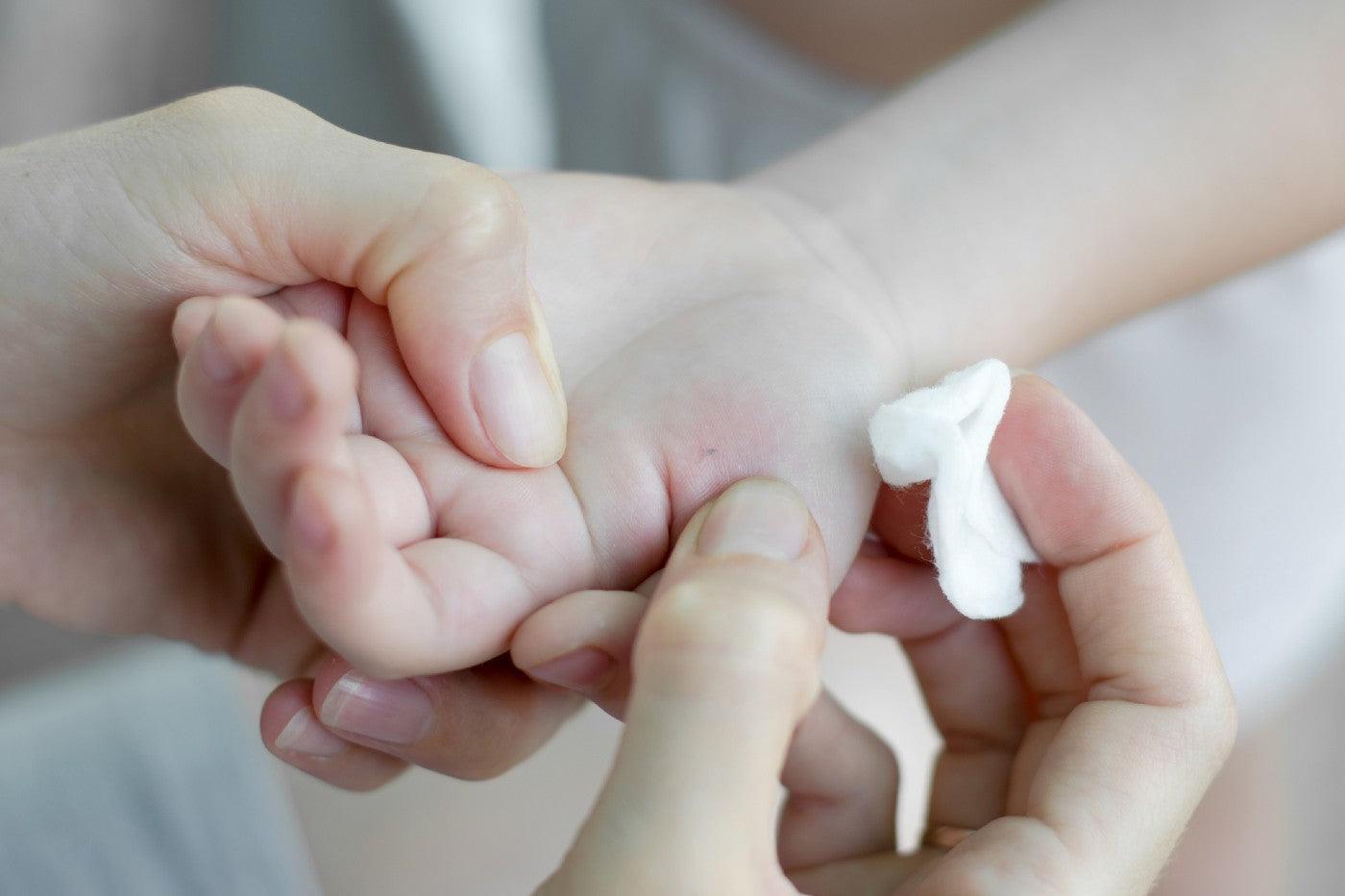
Splinters might not seem like a big deal, but just wait until your child runs barefoot on grandma’s old wooden deck or accidentally gets a handful of prickers and, well, here comes the hullabaloo!
For little kids, pulling a splinter out, no matter how tiny, can be pretty scary business. The good news? Tweezers are not always needed to get the job done. The key, of course, is knowing what to do because, while you might not think that a splinter can cause much harm, if certain types of splinters are left untreated, they can potentially lead to infections and warrant a trip to the doctor! Here, what you need to know.
Are splinters dangerous?
Typically, splinters are merely an annoyance and nothing to be too worried about. However, some splinters do pose more of a risk than others. It is all about what the splinter is and where on your child's body it has landed. For example, a sliver from certain plants, such a cactus or rose thorns, and wood should be promptly removed since they are porous and, therefore, more likely to contain bacteria and other pathogens that can possibly cause infection. On the other hand, glass, metal, and plastic splinters do not typically lead to infections, notes a report from the journal American Family Physician. (Yes, you still need to take them out, but you have more time to get the job done.)
And if any type of splinter is near your child’s eye or under their nails, you likely require a medical professional’s help for removal. Same goes for slivers that have entered the skin vertically, since these can be especially difficult to excise at home.
Can you soak a splinter out?
One time-tested and simple way to remove a splinter, especially from a child who is afraid of tweezers, is to soak the affected area in warm water for a few minutes. (Since younger children already have soft skin, you do not need to soak any longer.) However, you should avoid this method if the sliver in question is wood, since water can cause swelling of the splinter making it more difficult to remove. Once you remove the splinter, remember to wash the area with warm water and soap. (Also, apply a thin smear of antibiotic ointment or petroleum jelly before applying an adhesive bandage.)
How to Remove a Splinter with Tweezers
Sometimes your child’s splinter is still poking out of the skin just enough to use a pair of tweezers to grab the tip and gently pull out.
- Begin by washing your hands and then gently cleansing the affected area with rubbing alcohol or soap and water. You will need to sterilise the tweezer tips with rubbing alcohol, too.
- Next, carefully and firmly grasp the splinter with the tweezers and slowly pull it out in the same direction that the splinter entered the skin. Never squeeze out a splinter! This may cause it to break into smaller pieces making it way more difficult to remove.
- If the splinter is fully embedded under the skin, sterilise a sewing needle with rubbing alcohol and use a magnifying glass to help you carefully pierce the skin at one end of the splinter, exposing the end of the sliver. Next, gently push the splinter. Once the splinter peaks out of the skin, use sterilised tweezers to grasp and pull the rest out.
- Finally, wash the area with warm water and soap, apply a thin layer of petroleum jelly or antibiotic ointment, and cover with a bandage until everything heals up.
Other Home Remedies for Splinters
Stinging nettles, cactus spines, and teeny fiberglass spicules are all very fragile, making them difficult to take out with tweezers. Before trying to remove any of these tricky slivers, wash the affected area with soap and water (or sterilise with rubbing alcohol), then…
Cover the splinter with tape. Packaging tape, duct tape, or another super-sticky tape will do. The action of pulling the tape off can pull the splinter out, too.
Use wax hair remover: If the tape trick did not work, apply a layer of wax hair remover to the splinter, letting it air-dry for 5 minutes. Next, peel the wax off…along with the splinters. (If a few spicules remain, it is likely A-okay to leave them be. They will generally work themselves out with normal shedding of the skin, notes the AAP.)
After you get the splinter out, wash the area with soap and water, pat dry, and apply antibiotic ointment or petroleum jelly before bandaging the wound.
When to Call a Doctor About a Splinter
If you are unable to successfully remove your child’s splinter after about 10 or 15 minutes of trying, give your local urgent care or your child’s paediatrician a call. In addition, you should reach out to your healthcare provider right away if…
- There is heavy bleeding
- You notice signs of infection, such as redness, swelling, or pus
- Your child is in severe pain
- There is a fever
- The splinter is deeply embedded
- The splinter in under a fingernail or toenail
- You removed the sliver, but the pain worsens.
- A deep puncture and your child’s last tetanus shot was more than 5 years ago
To help avoid future splinters, tell your child to avoid rubbing their hands over wooden surfaces, like picnic tables and to always wear shoes on wooden decks, boardwalks, and docks. And if you ever break glass, keep your child out of the room while you clean up and, when they return, make sure they are wearing slippers.
Descargo de responsabilidad: La información en nuestro sitio NO es un consejo médico para ninguna persona o condición específica. Solo se proporciona como información general. Si tiene alguna pregunta o preocupación médica sobre su hijo o sobre usted mismo, por favor contacte a su proveedor de salud. La leche materna es la mejor fuente de nutrición para los bebés. Es importante que, en preparación para la lactancia y durante la misma, las madres lleven una dieta saludable y equilibrada. La combinación de lactancia materna y alimentación con biberón en las primeras semanas de vida puede reducir la producción de leche materna y es difícil revertir la decisión de no amamantar. Si decide utilizar fórmula infantil, debe seguir las instrucciones cuidadosamente.
Principales noticias






COMPARTIR ESTE ARTÍCULO
ELECCIONES DE LOS PADRES
Más vendidos