TODDLER
30 Compliments That Build Resilience in Kids
The way you offer your toddler kudos can either build resilience or squash it. Learn the difference!

Escrito por
Happiest Baby Staff
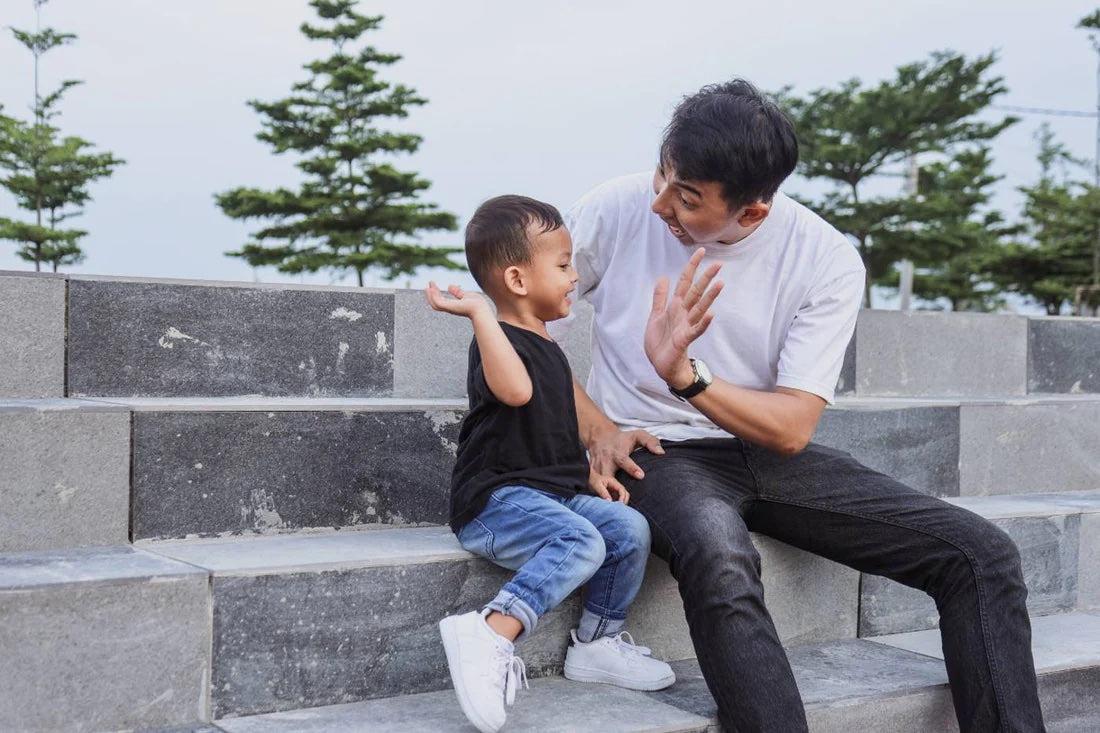
From toddlers to grandparents, everyone loves a compliment! But while you wouldn’t think twice about flattering your Nana on her cooking, her garden, or her freshly done-up hair, thinking twice is exactly what you need to do before doling out kudos to kiddos! That’s because the actions and attributes you decide to compliment—and the way you offer praise—can either build a child’s self-esteem and resilience, or chip away at it. Learn more about how to compliment children the right way.
Should I compliment my toddler?
Please, do! Being a toddler is no easy task, so the just-right compliment can work wonders to encourage good behaviour and healthy self-esteem. In fact, a 2017 British study showed that complimenting 2- to 4-year-olds for their effort or achievement five times a day improves a child’s wellbeing. The key to delivering an effective compliment to a child: Tailor the praise to feed a growth mindset, which is the belief that one’s skills and qualities can be cultivated through effort and perseverance.
What’s a growth mindset compliment?
Growth mindset praise is all about zeroing in on the effort and hard work that leads to a child’s achievement. On the flip side is fixed mindset praise, which is centered around the result and/or a quality that’s beyond a child’s control. For example, “I love that you thought to blend the greens and blues to make the ocean” and “You’ve really practiced writing the alphabet. Your improvement shows!” are both growth mindset compliments. But “Your picture is pretty!” and “You’re so smart!” are fixed mindset compliments.
Researchers have found that offering a growth mindset compliment (You did so well. You must have worked really hard!) after children took tackled a puzzle, yielded vastly different results than when they doled out a fixed mindset compliment (You did really well. You must be very smart.) Most of kids who were praised for their intelligence opted for an easier puzzle next time. But more than 90% of children who received growth mindset praise picked a harder puzzle. The reason: Kids who were complimented on their effort and hard work wanted to continue that path to achievement. Whereas children praised for the result were afraid to make a mistake and losing their “smart” label. It’s also important to note that all the kids said they enjoyed the first puzzle, but when the fixed-mindset kids were given a harder puzzle, they reported that the puzzle was no longer enjoyable.
Tips For Complimenting Kids
When you compliment your tot, follow these general rules:
- Catch them being good. “The best way to help your toddler behave better is to flash a green light of encouragement every time you see them doing something good,” says Dr. Harvey Karp, paediatrician, and author of the bestselling The Happiest Toddler on the Block. Translation: When you see your child do something nice, say something nice!
- Be specific. Vague compliments like “good job” don’t make it obvious what you’re praising. Instead, clearly state what you are applauding.
- Avoid surface praise. Superficial compliments, like praising your child on how cute they look, seem harmless, but they tie a child’s self-worth to something they have no control over.
- Let your toddler overhear praise. Once your tot is 15 to 18 months old, whisper compliments about the good things they’ve done to your partner, a teddy, a pet, or anyone! (Dr. Karp calls this gossiping.) This little trick makes your child feel good and inspires more caring acts in the future. The reason? “We tend to believe things we overhear, and when those comments are whispered—like a secret—we believe them even more,” says Dr. Karp.
- Focus on the effort. When you praise your child’s effort and steady progress, they’ll feel like a success every step of the way, which bolsters resilience.
- Be sincere. Don’t offer over-the-top compliments, like “You’re the best soccer player in the world!” Children know when you’re not being genuine. Plus, it’ll make your child wonder why you’re not telling them the truth.
- Give a “balanced diet” of praise. “Think of praise as a yummy casserole you feed to your child,” says Dr. Karp. “Lots of plain noodles are the calm attention. A big cup of tasty sauce is mild praise and encouragement. And you want to top the praise casserole with a sprinkle of tangy cheese, which are cheers and celebration.”
- End your child’s day with a compliment. Try what Dr. Karp calls bedtime sweet talk. “Right before your little one drifts off to sleep, fill their sleepy mind with gratitude for all the wonderful things they did that day,” says Dr. Karp. “This will nurture their sense of optimism about all the things they may do tomorrow.” Once your child is tucked in, snuggle up, and in a mild tone, recount some of the kind acts from their day. (I’m proud you volunteered to help Ms. Alice today!) Then calmly talk about good deeds your love bug may accomplish tomorrow. (I bet you’ll help your teacher again tomorrow!)
For more tips on praising your toddler, read “The Problem With Telling Your Tot “Good Job!”
30 Kid Compliments to Consider Using
- You stayed positive and gave it your all today! I’m really proud of you.
- Thank you for helping with your brother. You were so patient!
- I’m impressed by how you built that tower. I’m going to do it like you next time!
- You were so kind to the new girl in daycare. I would’ve loved to have a friend like you when I was your age.
- I love your sense of style!
- I’m proud of the way you handled that situation.
- You were so brave on the jungle gym today!
- You should feel good about what you achieved.
- I love your curiosity.
- Your playdough cookie is so realistic! How did you do it?
- That was a tough game! I’m proud of you for not giving up.
- You came up with an excellent answer to that question.
- It’s generous of you to share your choo-choos with your sister.
- Thank you for being so patient.
- You worked so hard putting the puzzle together.
- I know picking up your room took a lot of work, but you stuck to it and got it done!
- You used such kind words!
- You put a lot of thought into your drawing. I like that the flowers are all different.
- I love that you chose to be a helper today.
- I really like the advice you gave to your pal.
- I like that you included your new friend in Duck Duck Goose.
- I love the border detail in your painting! What’s your favourite part?
- Thank you for helping Dada tidy up! I like the way you neatly lined up the dump trucks!
- You worked really hard on that math problem. I’m so proud of your focus.
- You pooped in the potty! All your practice is paying off!
- That’s a great point! I always look forward to hearing what you have to say.
- I appreciate how patiently you waited for your turn.
- That was such a thoughtful question. It shows you’re a good listener.
- I admire how you make others smile.
- You showed courage when you volunteered to go first in ballet!
Descargo de responsabilidad: La información en nuestro sitio NO es un consejo médico para ninguna persona o condición específica. Solo se proporciona como información general. Si tiene alguna pregunta o preocupación médica sobre su hijo o sobre usted mismo, por favor contacte a su proveedor de salud. La leche materna es la mejor fuente de nutrición para los bebés. Es importante que, en preparación para la lactancia y durante la misma, las madres lleven una dieta saludable y equilibrada. La combinación de lactancia materna y alimentación con biberón en las primeras semanas de vida puede reducir la producción de leche materna y es difícil revertir la decisión de no amamantar. Si decide utilizar fórmula infantil, debe seguir las instrucciones cuidadosamente.
Principales noticias






COMPARTIR ESTE ARTÍCULO
ELECCIONES DE LOS PADRES
Más vendidos