SNOO
Here’s Exactly How to Feed Your 1-Year-Old (With a Sample Menu!)
Your growing tot has high nutrient needs—here’s how to meet them!
Escrito por
Happiest Baby Staff
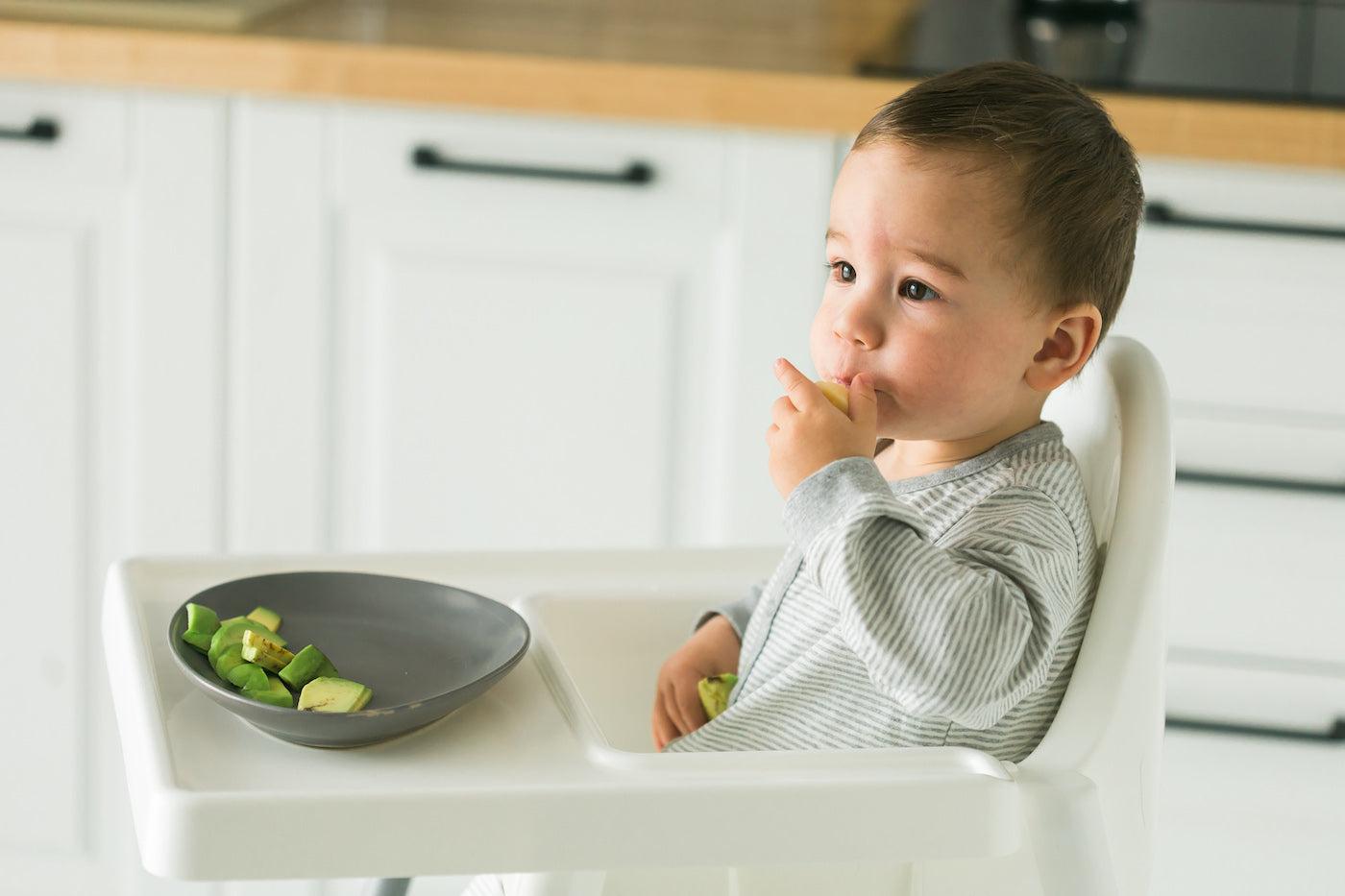
At age 1, your little one has traded babbles for words, bottles for cups, and gummy grins for toothy smiles. During the first year of life, they grew at full speed, but now at 12 to 24 months, their growth has slowed, so their nutrition needs are slightly different. Instead of relying primarily on breastmilk or iron-fortified formula to supply them with nutrients, they are transitioning to a diet that looks more like the rest of the family’s.
It’s probably clear that these munchkins have high nutrient needs to support their developing brains and bodies, but what may not be so clear is what and how to feed them well. That’s where this guide to feeding young toddlers comes in! Here’s exactly how to feed babies between 12 and 24 months—complete with a sample menu for 1-year-olds!
Tips for Feeding 1-Year-Olds
Create positive environment.
Your toddler's appetite can change on a dime—and one day they seem to survive on air alone, while the next day, their belly is a bottomless pit. Rest assured, as puzzling and frustrating as these behaviours may be, they are totally normal! You can take the stress off yourself and make mealtimes more positive by considering Ellyn Satter’s approach to feeding young kiddos. Satter says a parent’s job is to choose when and where to offer nutritious foods, and a child’s job is determining whether to eat and how much. No one likes to be forced to eat, right? Your child is better able to develop a healthy relationship with food by following their innate hunger and fullness cues without external pressures to eat.
Offer balanced meals and snacks.
Nourishing meals for toddlers feature protein, healthy fats, fruits, vegetables, dairy, and grains. Many of these groups offer essential nutrients toddlers need, including iron for brain development, Vitamin A for eyesight, and zinc for growth and immune health. Every food provides an array of nutrients that play crucial roles all over your tot’s body.
A helpful rule of thumb is to include three food groups at meals and two at snacks to give toddlers a variety of nutrients they can. Here are the key food groups to offer:
- Protein: Cooked chicken, turkey, lean red meats, beans and lentils, tofu, and soy products (more powered-up protein choices for toddlers)
- Healthy fats: avocados, olive oil, nut butter, ground seeds, fatty fish
- Fruits and vegetables: Any fresh, frozen fruits and vegetables or canned fruits in juices/low sodium canned veggies rinsed and drained
- Dairy and non-dairy: whole cow’s milk, whole milk yogurt, cheese, cottage cheese, fortified nondairy yogurt, and fortified soy milk
- Grains and whole grains: oats, rice, bread, quinoa, cereal, whole grain pasta
Encourage self-feeding and food exploration.
Toddlers try hard to be independent at this age and may start pushing you away so they can try doing things on their own. It’s no different with feeding, and most toddlers demand active participation at mealtimes. That’s a good thing! Self-feeding skills may be linked to improved cognitive performance, according to one 2019 study. Here are some skills they may be developing now:
- 1-year-olds may be able to pick up small pieces of food, use an open cup with both hands and eats a greater variety of foods with the rest of the family.
- 2-year-olds may be able to feed themselves finger foods, hold a cup with one hand, use a spoon, and learn to use a fork.
It’s no surprise mealtimes can be stressful (and messy), but these years don't last long! Your tot enjoys sensory exploration through food and gets exposure to different tastes, textures, and touches with their hands and mouth. This process is good and can be helpful in their development, and it gives them hands-on experiences with new foods to lessen picky eating. And if your little one throws food, there are practical ways to put an end to the meal madness.
Model healthy eating.
Many parents agonise over their toddlers eating enough fruits and vegetables, especially when picky eating begins to rear its head around 24 months. But, here’s the thing, most adults aren’t eating enough fruits and vegetables, according to the CDC! Toddlers get increasingly interested in eating what parents have, so modeling healthy behaviours, such as eating nutrient-dense foods, will encourage your little to do the same!
Keep added sugars and sodium to a minimum.
Toddlers' tummies tend to fill up quickly, which means every bite counts! While it’s not uncommon for cookies, juice boxes, and popsicles to be rampant in social circles around these ages, it’s essential to offer high-nutrient foods the majority of the time. Taste preferences begin in kiddos under 2, and they may develop strong preferences for overly sweet foods. You can reduce added sugar intake by offering milk and water as all-the-time beverages and serving juice as a sometimes beverage and only offering 100% juice.
Salty snacks, commercial foods, and processed meats are high carriers of sodium, another ingredient to go light on. Offering whole foods as often as possible and seasoning with garlic and herbs help lower sodium intake.
Offer appropriate servings and multiple eating opportunities.
Remember, a toddler’s serving size is a lot less than yours! And by piling their plate too high, you run the risk of overwhelming your little eater. Here are some examples of toddler serving sizes:
- Protein: 2 tablespoons or 1 ounce of chicken, fish, or meat; 2-3 tablespoons of beans
- Vegetables: 1 tablespoon for each year of age
- Fruits: 1/2 piece of fresh, 1/4 cooked or canned, 1/4-1/2 cup 100% juice
- Dairy: 1/2 cup milk, 1/3 cup yogurt, 1/2 cheese cube
- Grains: 1/4-1/2 slice bread, ⅓ cup pasta or rice, 1/4 cup cereal
Sample Menu for 1-Year-Olds
Toddlers should ideally have three meals and two snacks daily. Here’s a sample menu for toddlers.
Sample Breakfast for 1-Year-Olds:
- 1/2 cup of milk
- 1/2 cup of iron-fortified cereal
- 1/2 cup raspberries
- 1/2 slice whole grain toast with ½ teaspoon peanut butter
Sample Morning Snack for 1-Year-Olds:
- 1/2 banana
- 1/3 cup yogurt
- 1/2 cup water
Sample Lunch for 1-Year-Olds:
- 1/2 cup water
- 1/2 wrap (1/2 wheat tortilla, 1 ounce chicken, 1/2 slice Colby Jack cheese, lettuce
- 1-2 tablespoons steamed carrot sticks
Sample Afternoon Snack for 1-Year-Olds:
- 1 small oatmeal cookie
- 1/2 pear, sliced
- 1/2 cup milk
Sample Dinner for 1-Year-Olds:
- 1/2 cup milk
- 1-2 tablespoons steamed green beans
- 1/3 cup whole wheat pasta
- 2 oz meatballs, chopped
- 1/8 cup pesto
More on Feeding Babies and Toddlers:
- Toddler Breakfasts—Made Simple!
- How to Help a Picky Eater
- Toddler Dinners Even Choosy Eaters Will Love
Descargo de responsabilidad: La información en nuestro sitio NO es un consejo médico para ninguna persona o condición específica. Solo se proporciona como información general. Si tiene alguna pregunta o preocupación médica sobre su hijo o sobre usted mismo, por favor contacte a su proveedor de salud. La leche materna es la mejor fuente de nutrición para los bebés. Es importante que, en preparación para la lactancia y durante la misma, las madres lleven una dieta saludable y equilibrada. La combinación de lactancia materna y alimentación con biberón en las primeras semanas de vida puede reducir la producción de leche materna y es difícil revertir la decisión de no amamantar. Si decide utilizar fórmula infantil, debe seguir las instrucciones cuidadosamente.
Principales noticias






COMPARTIR ESTE ARTÍCULO
ELECCIONES DE LOS PADRES
Más vendidos