PREGNANCY
26 Weeks Pregnant: Learn the Signs of Preeclampsia
About 10% of women develop this in the later months of pregnancy.

Escrito por
Dr. Harvey Karp
26 Weeks Pregnant: Your Baby at 26 Weeks
You’re not the only one packing on the pounds…your baby’s porking up, too! This week, she tips the scales at about 2 pounds! Her brain growth is also zooming along and will be 500% bigger by her birth day.
Her eyes are finally ready to open, but she’s keeping them closed a lot because she’s still snoozing away for a big chunk of the day. If you’re wondering what color those peepers might be, the answer is probably blue. Many babies are born with brown eyes, but many whose eyes will end up brown are blue at birth. Adult eye color can take about 6 months to reveal itself. That’s because light exposure triggers the production of melanin.
26 Weeks Pregnant Is How Many Months?
26 weeks along is about 6 months pregnant.
Baby’s Size
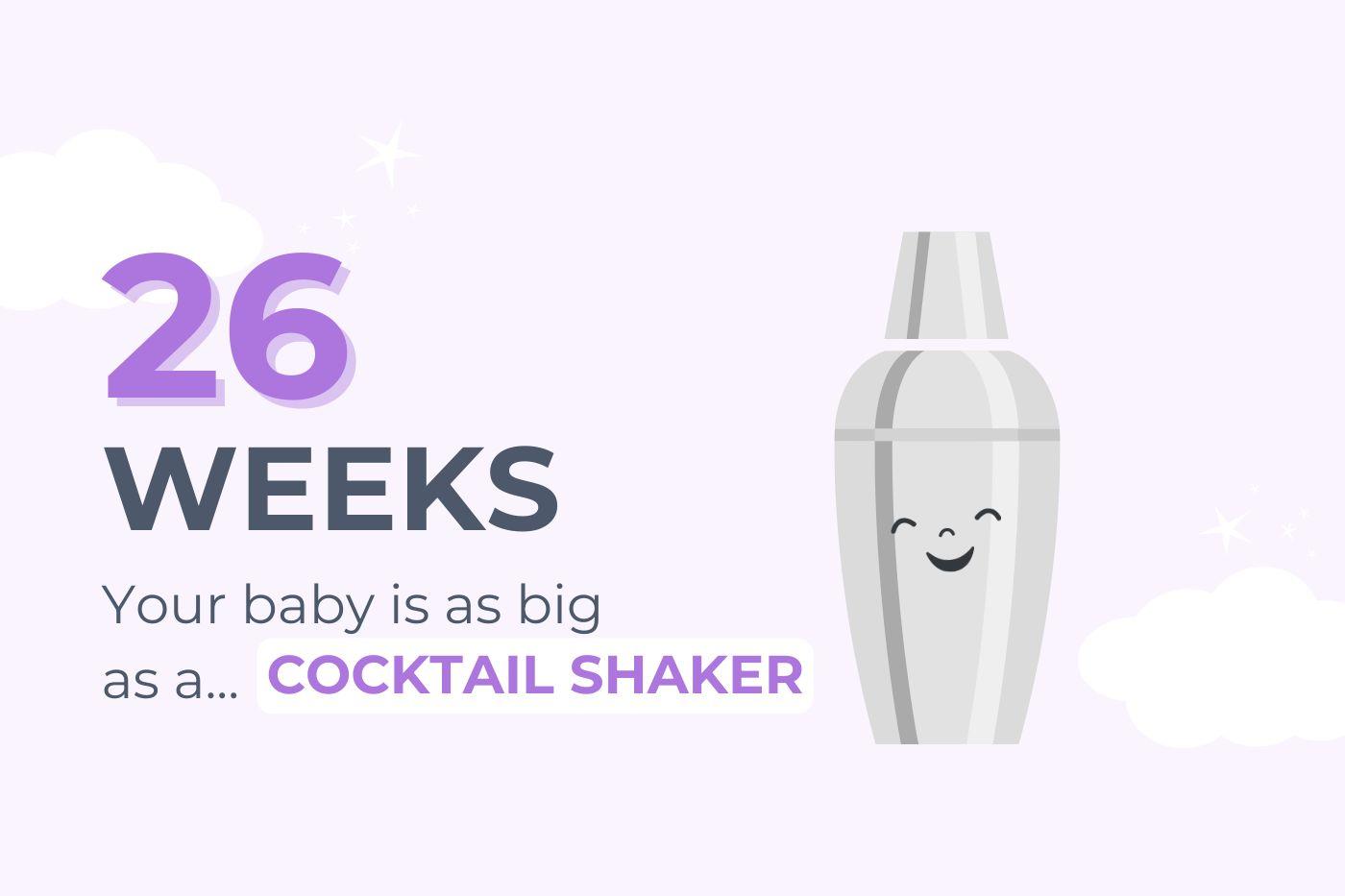
At 26 weeks your baby can have a fair fight with…a cocktail shaker.
26 Weeks Pregnant: What to Expect
Get ready to see your doctor or midwife…a lot more often! Early in pregnancy, the visits are usually monthly. But, soon, you’ll be heading in every 2 weeks for a quick check of your blood pressure, urine, and a laundry list of possible warning signs (from headache to excessive swelling to trouble sleeping).
A key reason for this increased scrutiny is a common condition called preeclampsia. About 10% of women develop this in the later months of pregnancy. The symptoms include sudden swelling (not just in your feet and legs, but also in your face), severe and/or persistent headaches, blurry vision, high blood pressure, dizziness, pain near your liver, nausea, vomiting and too much protein in your urine.
Preeclampsia can also affect your baby. It can cause the placental arteries to clamp down, making it harder for blood to carry food and oxygen to your baby.
Left untreated, preeclampsia can become a very serious problem. So, if you have any of these symptoms, call your care provider right away. If you do have it, your care provider will discuss the best way to keep both you and baby as healthy as possible. For less severe cases, you’ll be taking it easy, meditating and coming in for frequent checks of your BP and pee and tests of your baby's activity, well-being, and growth. Moms-to-be with more severe symptoms may require in-hospital monitoring and treatment.
26 Week Pregnant Symptoms
Common symptoms during your 26th week of pregnancy include:
- Trouble sleeping
- Headaches
- Dry or itchy eyes
- Braxton Hicks contractions
- Backaches
- Constipation
- Slight breast colostrum production
26 Weeks Pregnant: To-Do List
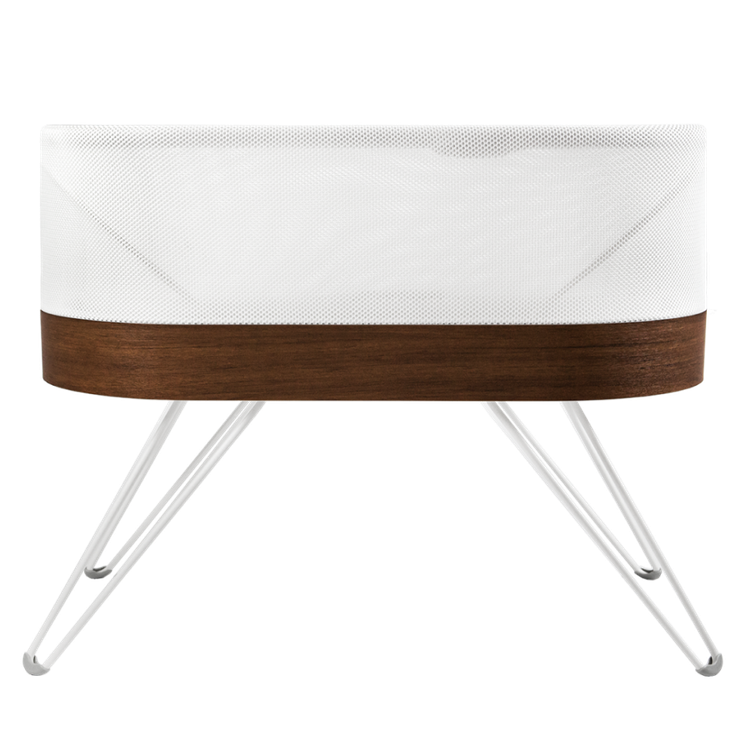
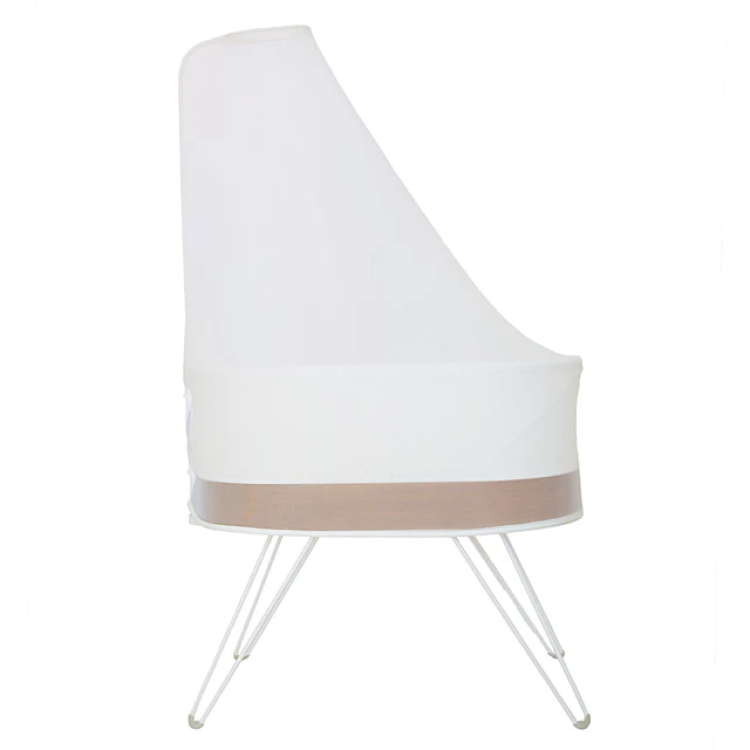
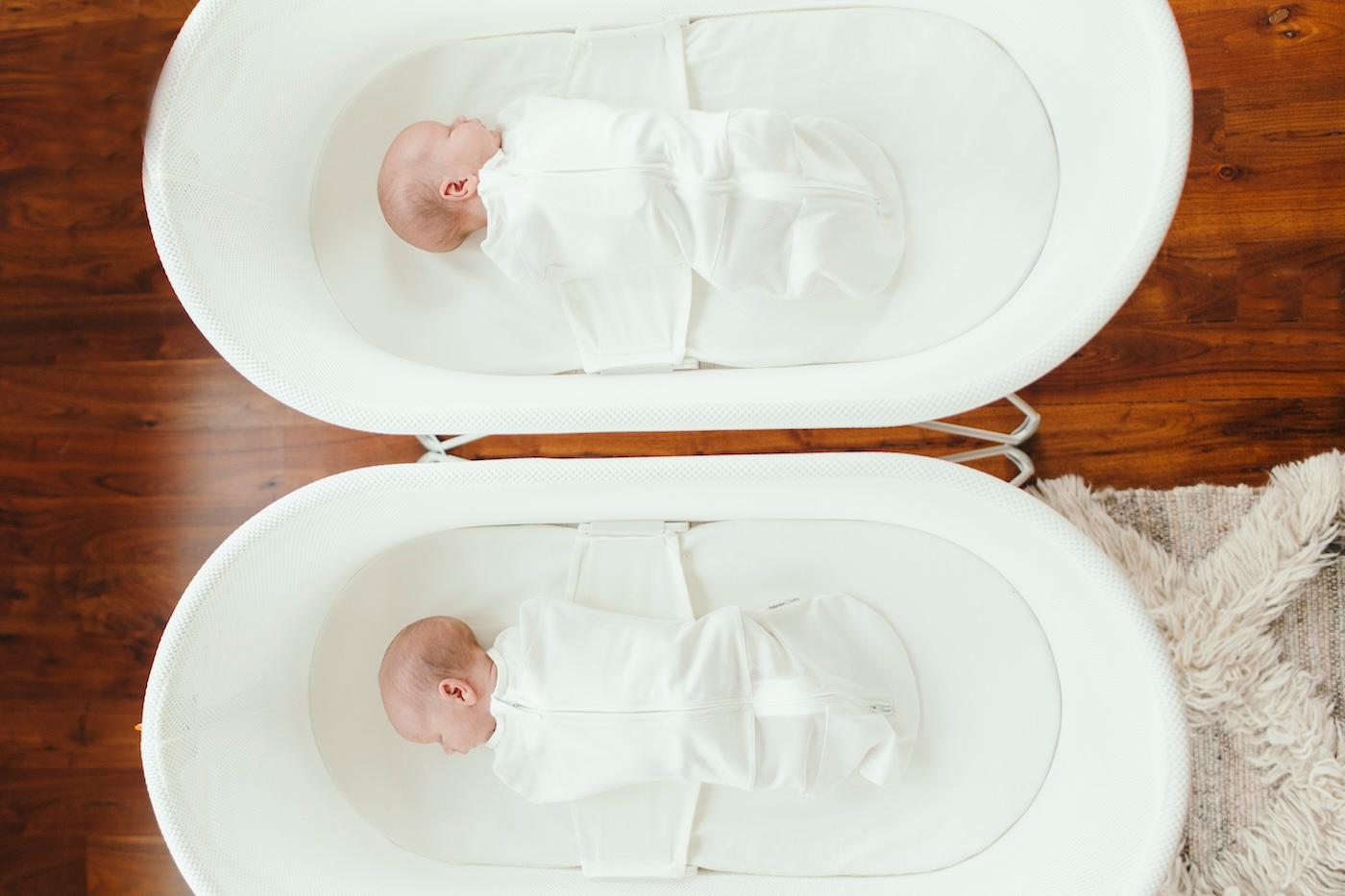
- Put the nursery together: If your baby furniture requires assembly, it’s time to break out the screwdriver and Allen wrench. It’s fine to set up the crib, too, but the AAP advises that your baby sleep in your room for at least the first 6 months. That means you’ll want a bassinet. (We’re kinda partial, but we love Happiest Baby’s SNOO. It adds 1-2 hours to baby—and parent—sleep and prevents risky rolling—the #1 cause of infant sleep death.) You may want a rocker or glider, a diaper pail, a hamper, and a fan as well. Think about storage for tiny clothes, blankets and bibs, lotions, wipes, and diapers. Make sure the room has curtains, blinds or black-out shades to help your baby be that great napper you’re hoping for!
- Pre-register at the hospital: If you are giving birth in a hospital that allows for pre-registry, this is a good way to cut down on the all the paperwork required upon admission (some hospitals even let you pre-register online). Print out your pre-registration paperwork to pack in your hospital bag.
- Brew some red raspberry leaf tea: Red raspberry leaf tea is packed with nutrients like vitamin C, magnesium, iron and potassium, and its use is encouraged by naturopaths to help tone and strengthen the uterus.
- Build a labor playlist: Well, actually make that two playlists: One that’s calming and will help you relax (hello, Enya!), and another that’ll pump you up while you push. Whether it’s Beyoncé's“Run the World(Girls)”, the Rocky theme song, or Salt n Pepa’s maybe too on-the-nose “Push It,” choose tracks that’ll get you going!
Quote of the Week
In giving birth to our babies, we may find that we give birth to new possibilities within ourselves. —Myla and Jon Kabat-Zinn
Descargo de responsabilidad: La información en nuestro sitio NO es un consejo médico para ninguna persona o condición específica. Solo se proporciona como información general. Si tiene alguna pregunta o preocupación médica sobre su hijo o sobre usted mismo, por favor contacte a su proveedor de salud. La leche materna es la mejor fuente de nutrición para los bebés. Es importante que, en preparación para la lactancia y durante la misma, las madres lleven una dieta saludable y equilibrada. La combinación de lactancia materna y alimentación con biberón en las primeras semanas de vida puede reducir la producción de leche materna y es difícil revertir la decisión de no amamantar. Si decide utilizar fórmula infantil, debe seguir las instrucciones cuidadosamente.
Principales noticias






COMPARTIR ESTE ARTÍCULO
ELECCIONES DE LOS PADRES
Más vendidos