PREGNANCY
16 Weeks Pregnant: Did You Feel That?
Your baby’s first little kicks started months ago, but now you can definitely feel them.

Escrito por
Dr. Harvey Karp

16 Weeks Pregnant: Baby Update
This week, the tiny bones inside your baby’s ears have formed—meaning they can now hear sounds, though everything is still quite muffled. By the time your little one is born, they’ll already recognise your voice, and even be able to tell it apart from others.
Your baby’s intestines are beginning to produce meconium—the thick, dark first poo that babies pass in the days after birth. Their face is nearly fully developed now, though they’re only just starting to build up a layer of fat under the skin. This baby fat will help regulate their temperature and provide extra energy after birth.
How Many Months Is 16 Weeks Pregnant?
At 16 weeks, you’re almost 4 months pregnant.
Baby’s Size at 16 Weeks
Your baby is about the size of an avocado.
16 Weeks Pregnant: What to Expect
Did you just feel something? Your baby has been moving for a while now, but around this stage many people begin to notice those first gentle kicks and flutters. This milestone is called “the quickening”—and it can feel both magical and surreal.
Alongside your growing bump, you might also spot your first stretch marks. Up to 9 in 10 pregnant people develop them, most often across the tummy, hips, thighs, breasts, or bottom. They usually begin as red or purplish streaks before fading over time.
Stretch marks happen when the skin stretches quickly. While there’s no guaranteed way to prevent them, keeping your skin hydrated with creams or oils can ease any itchiness, and eating a nutrient-rich diet with vitamin C, zinc, and collagen-boosting foods (like bone broth or lentils) may support skin health. Remember: tiger stripes are a completely normal part of pregnancy—and many wear them proudly. If you’d prefer to reduce their appearance after birth, treatments like topical creams, peels, or laser therapy may help.
16 Weeks Pregnant To-Do List
- Take a hospital tour: If you’re planning a hospital birth, book in a visit and bring a list of questions. You might ask:
- Where will I be assessed when I arrive?
- What’s your caesarean rate?
- How many people can be in the birth room with me?
- Can I move around and eat or drink during labour?
- Are private rooms available?
- Do you offer water birth facilities?
- Is there a neonatal unit (NICU/SCBU)?
- What kind of breastfeeding support is offered?
- How do you approach natural or low-intervention births?
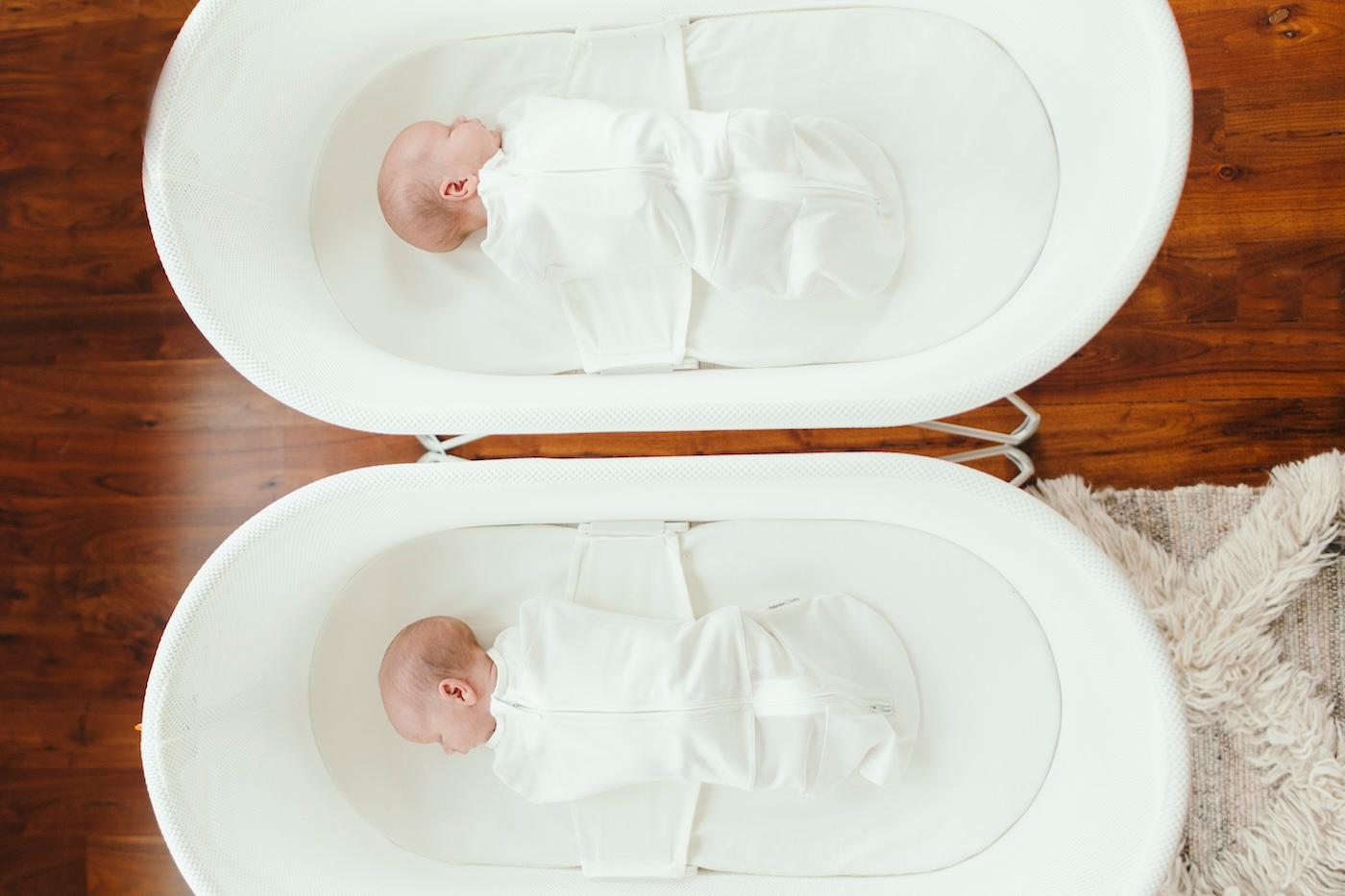
- Begin a baby list/registry: For your first baby, it may feel like there’s a mountain of things to buy! Break it down into categories: sleeping, feeding, changing, bathing, and getting out and about. Then add in the fun extras like clothes, toys, and decorations. Consider including the SNOO Smart Sleeper—it keeps babies safely on their back, helps settle fussing, and adds precious sleep for the whole family.
- Soak up some sunshine: Just 10–20 minutes outdoors each day can help boost your vitamin D, support your baby’s bone development, and lift your mood.
Pregnancy Myth or Fact: Should You Avoid Ab Exercises During Pregnancy?
Myth! Strengthening your core during pregnancy can actually help reduce back pain and support recovery afterwards. The key is to choose safe moves. Conventional crunches are off the table once you’re pregnant (they can worsen diastasis recti, where the abdominal muscles separate). But gentle core exercises like planks, side planks, and pelvic tilts are safe in the first and second trimesters. Always check with your midwife or physio if you’re unsure.
Descargo de responsabilidad: La información en nuestro sitio NO es un consejo médico para ninguna persona o condición específica. Solo se proporciona como información general. Si tiene alguna pregunta o preocupación médica sobre su hijo o sobre usted mismo, por favor contacte a su proveedor de salud. La leche materna es la mejor fuente de nutrición para los bebés. Es importante que, en preparación para la lactancia y durante la misma, las madres lleven una dieta saludable y equilibrada. La combinación de lactancia materna y alimentación con biberón en las primeras semanas de vida puede reducir la producción de leche materna y es difícil revertir la decisión de no amamantar. Si decide utilizar fórmula infantil, debe seguir las instrucciones cuidadosamente.
Principales noticias






COMPARTIR ESTE ARTÍCULO
ELECCIONES DE LOS PADRES
Más vendidos