PREGNANCY
10 Weeks Pregnant: Keep Your Immunity Up!
Getting sick while you're pregnant is miserable...prevention is your best friend!

Escrito por
Dr. Harvey Karp
10 Weeks Pregnant: Baby Update
Though your baby still fits in the palm of your hand, they’ve just had a major growth spurt!
Tiny facial features—the nose, lips, jaw, and eyes—are becoming more defined, and a fine layer of peach fuzz is starting to grow across their body. Inside, organs are getting busy: the pancreas has begun producing insulin to process nutrients, while the liver is making small amounts of bile to help digest fats.
The yolk sac, which has sustained your baby so far, is now fading away—just as your placenta steps up to take over the vital job of nourishing and protecting your little house guest for the rest of pregnancy.
Baby’s Size at 10 Weeks
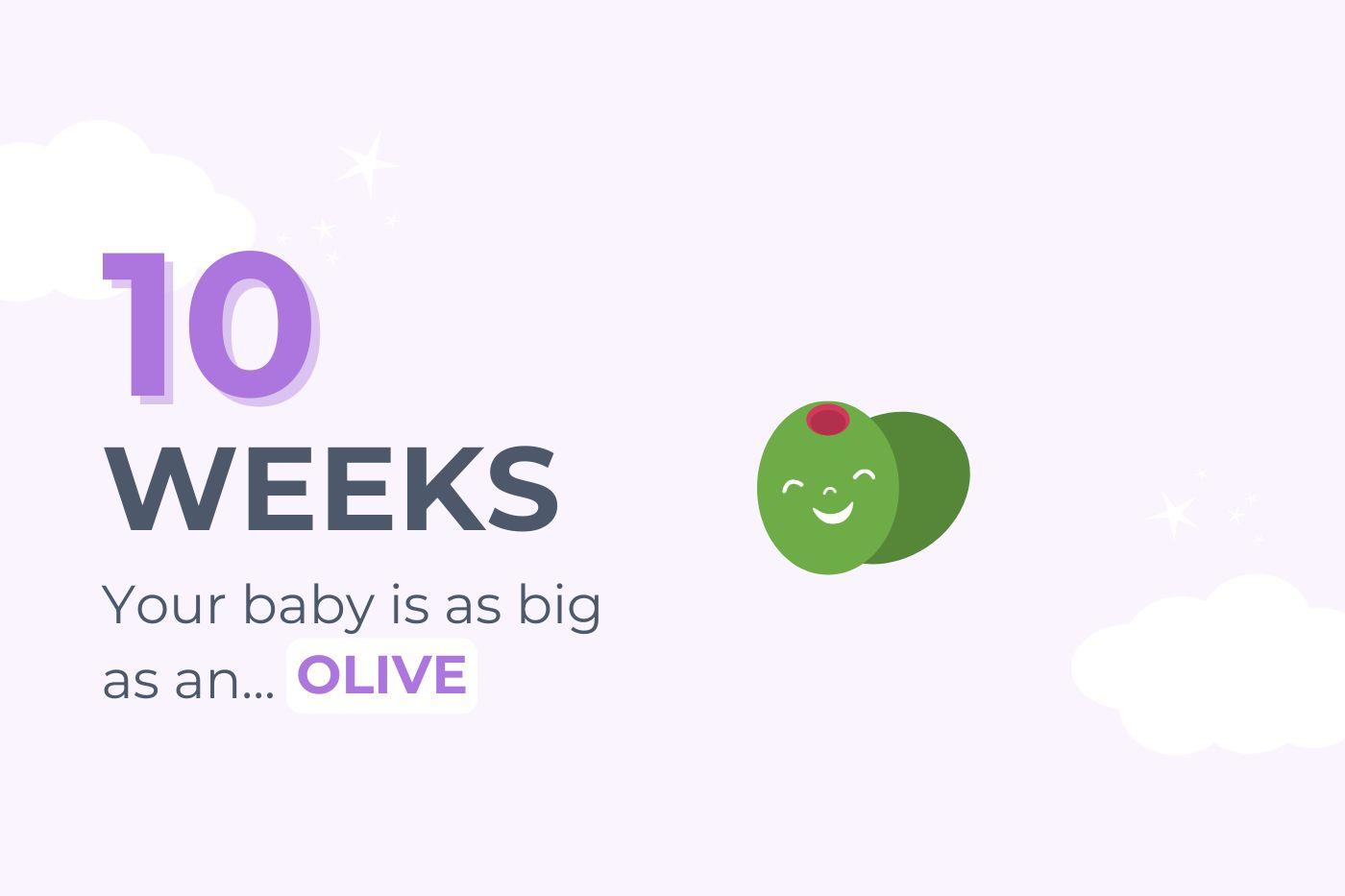
At 10 weeks, your baby is about the size of an olive.
10 Weeks Pregnant Is How Many Months?
You’re around 2½ months along.
10 Weeks Pregnant: What to Expect
You may have heard the myth that pregnancy “switches off” the immune system so the body doesn’t reject the baby. In reality, the picture is more complex. Early in pregnancy, your immune system actually ramps up to help the embryo implant securely in the womb lining. Then, for most of the second trimester, the immune response dials back—which is why some people with autoimmune conditions like arthritis may notice welcome symptom relief. As the third trimester approaches, the immune system reactivates, preparing for birth and recovery.
Whatever stage you’re at, one thing is true: getting ill while pregnant can be especially miserable—so prevention is your best protection.
How to Support Your Immune System in Pregnancy
- Rest: Your body is working overtime to build a baby. Prioritise sleep when you can.
- Reduce stress: Sleep helps, but so can mindfulness, meditation, prenatal yoga, acupuncture, or simply slowing down. Eating fewer refined carbs and including anti-inflammatory foods like ginger and turmeric may also help.
- Scrub: Wash your hands regularly and thoroughly. When soap and water aren’t available, keep a small bottle of hand sanitiser handy.
- Eat well: Aim for a varied diet with lean proteins, whole grains, vegetables, fruit, and legumes. If morning sickness is troubling you, try bone broth (rich in minerals and gentle on the stomach).
- Supplements: Always check with your midwife or GP before adding vitamins or minerals like vitamin C or zinc.
10 Weeks Pregnant To-Do List
- Decide when to share your news at work: Telling your employer can feel daunting. Before you do, think about when you’ll likely start maternity leave and look into your workplace’s parental leave policy. In the UK, this will fall under Statutory Maternity Leave and in Australia under Parental Leave schemes.
- Go greener with skincare: Your skin is your largest organ, and it absorbs what you put on it. Read labels carefully and choose simpler, safer products where possible. Aim for fragrance-free, low-toxin options.
- Know when to call your midwife or GP: Don’t ignore worrying symptoms. Seek medical help immediately if you have vaginal bleeding, severe vomiting, persistent headaches, vision changes, chest pain, sudden swelling, shortness of breath, fever, or if your baby’s wellbeing is concerning you. If in doubt—always call.
- Use daily SPF: Around 70% of pregnant people develop melasma (“the mask of pregnancy”), caused by increased melanin production. A daily sunscreen can help reduce pigmentation on your face, chest, and arms.
Pregnancy Fun Fact: What Causes Twins?
- Identical twins occur when one fertilised egg splits into two embryos. They share identical DNA, so they’re always the same sex and look very alike.
- Fraternal twins occur when two eggs are released and fertilised by two different sperm in the same cycle. They’re no more alike than any other siblings—and may be different sexes.
Fraternal twins run in families and are more likely as maternal age increases (older ovaries sometimes release more than one egg). Assisted fertility treatments like IVF have also contributed to the rise in twin pregnancies. Identical twinning, however, remains steady worldwide at around 1 in 400 births.
Descargo de responsabilidad: La información en nuestro sitio NO es un consejo médico para ninguna persona o condición específica. Solo se proporciona como información general. Si tiene alguna pregunta o preocupación médica sobre su hijo o sobre usted mismo, por favor contacte a su proveedor de salud. La leche materna es la mejor fuente de nutrición para los bebés. Es importante que, en preparación para la lactancia y durante la misma, las madres lleven una dieta saludable y equilibrada. La combinación de lactancia materna y alimentación con biberón en las primeras semanas de vida puede reducir la producción de leche materna y es difícil revertir la decisión de no amamantar. Si decide utilizar fórmula infantil, debe seguir las instrucciones cuidadosamente.
Principales noticias






COMPARTIR ESTE ARTÍCULO
ELECCIONES DE LOS PADRES
Más vendidos