PARENTS
Power Pumping to Increase Breast Milk Supply
Could this technique pump up your milk supply?

Escrito por
Happiest Baby Staff
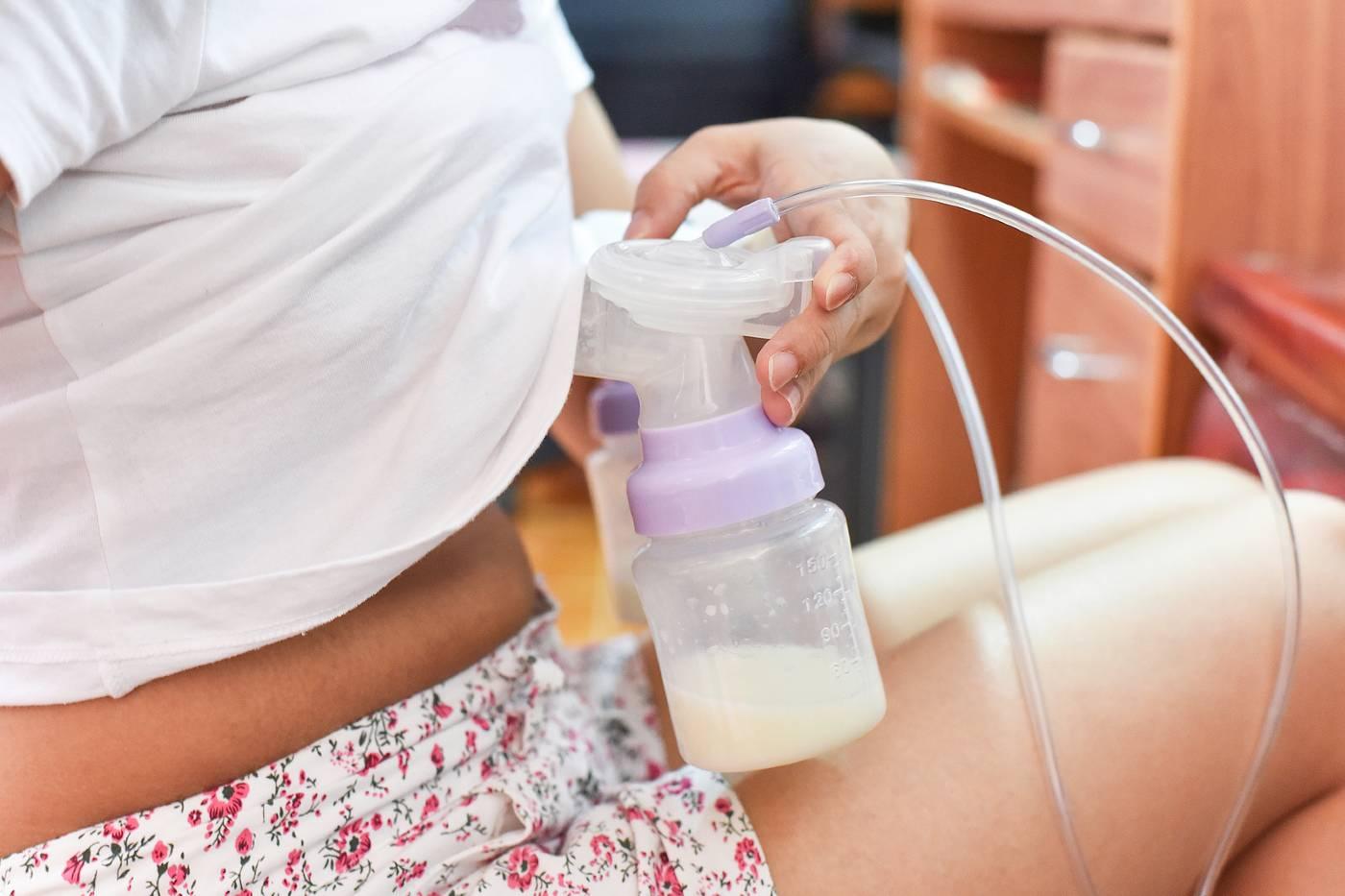
The term “power pumping” sounds like it should be an activity that goes on in a sweaty gym, involving free weights and bulging muscles…but it is not. Instead, power pumping is a strategy to increase milk production for nursing (or pumping) parents. But what exactly is power pumping and how do you do it? And perhaps most importantly, does power pumping really increase milk supply? To find out, we turned to breastfeeding expert Stephanie Nguyen, RN, WHNP, IBCLC, owner of Modern Milk in Scottsdale, Arizona.
What is power pumping?
Power pumping is a milk-pumping strategy that involves alternating pumping and rest to help stimulate prolactin, the body’s milk-making hormone, and thus, increase breastmilk supply. “This is also called cluster pumping because it mimics the way a baby cluster feeds when they are going through a growth spurt,” says Nguyen. (With cluster feedings, you nurse your baby every 20 minutes to every 2 hours with back-to-back breastfeeding sessions.)
How do you power pump?
There are a few different ways you can time your power pumping sessions. For example, you might pump/rest/pump for 30-minute sessions, twice a day. You can also pump for 20 minutes every hour for 3 hours in a row.
Power Pumping Sample Schedule
This is the power pumping schedule that Nguyen most often recommends:
- Pump for 15 to 20 minutes.
- Rest and relax for 10 minutes with pump off.
- Pump for 10 minutes.
- Rest for 10 minutes.
- Pump for 10 minutes.
That comes out to three pumping sessions in 1 hour. It is important to remember that power pumping does not replace a feed or your regular pumping sessions.
![[object Object]](https://cdn.sanity.io/images/301lhh0a/production/25b1c16f8517c2da78c0cb7de9722c0a5aada8b7-350x350.jpg?w=750&auto=format&q=75&fit=max)
How long should I power pump for?
Nguyen recommends each power pumping session last for about one hour—and should occur twice a day for between 3 and 7 days for maximum results.
![[object Object]](https://cdn.sanity.io/images/301lhh0a/production/e8cd4e3548ba5235c8eb09987feb65a81824dbf5-350x350.jpg?w=750&auto=format&q=75&fit=max)
How fast do you see results with power pumping?
While every nursing parent is different, Nguyen notes that it can take up to 7 days of twice-a-day power pumping before you start seeing results. “Some parents experience a dramatic improvement in milk supply in that time frame, while others can experience little change at all,” says Nguyen. “That said, power pumping works great for many mums who want to increase their milk supply, so I do often recommend power pumping.”
How can I make power pumping easier?
Power pumping takes a lot of work, but there are some strategies that can make the power pumping process a little easier. Here are a few helpful tips to power pump like a pro:
- Get the right pump. Using a standard double electric breast pump will yield the best power pumping results.
- Get a special bra. A hands-free pumping bra will make the process less arduous.
- Take deep breaths before pumping. Another way to help with let down is taking some deep breaths and thinking about your baby 3 to 5 minutes before you start power pumping. Look at your little one’s photo or conjure their image in your head, along with other sensory details, like your baby’s smell. Need help relaxing? Borrow your baby’s SNOObie! The all-in-one white noise machine and nightlight features two Magic Breathing tracks that use synchronized light and sound to guide you through easy breathing exercises.
- Time your pump right. The ideal time of day to power pump is whenever you have an uninterrupted hour to sit down and pump! “If possible, however, try to power pump once in the morning and once in the evening, ideally after a breastfeeding session,” says Nguyen.
- Consider a pumping lubricant. “If needed, use a pumping spray to help lubricate your breast pump flanges,” says Nguyen. This can help prevent uncomfortable tugs and irritation while pumping.
- Try warming the flanges. Place a warm, moist cloth around the flanges before you pump. This not only increases the seal, it helps initiate let down, too.
- Stay hydrated! Drinking about 3.7 litres of water each day. To help get there, make sure you have a full water bottle by your side for every nursing and pumping session.
- Massage your breasts. “I recommend incorporating breast massage throughout the entire hour of power pumping to help maximize milk flow,” says Nguyen. “And be sure to alternate between the left and right breast.” Create a C-shape with your hand by placing your index finger under your breast and your thumb on top of your breast and gentle massage in a pulsating pattern.
Learn more paediatrician-approved pumping tips!
Final Thoughts on Power Pumping
“I would recommend power pumping to anyone who is concerned about their low milk supply—and who has the time to power pump,” says Nguyen, who also emphasizes the importance of seeking professional guidance before starting to power pump. That is because a certified lactation consultant can not only help you figure out the cause of your low supply, “they can also determine the best solution based on what they find,” says Nguyen. Finally, know that results take some time. “Think of your milk supply like ordering food at a restaurant,” says Nguyen. When you go out to eat, you need to place your order before the kitchen starts making your food. Your milk supply works the same way! You have to ‘place an order’ by pumping before your body knows to start making more milk.”
More on Breastfeeding:
- What to Know About Extended Breastfeeding
- Breastfeeding Tips for Better Sleep
- What to Know About Alcohol and Breastfeeding
- Prep for Breastfeeding Success!
![[object Object]](https://cdn.sanity.io/images/301lhh0a/production/1b0f1ecdd3b576df886bee35dba369fd92579979-240x240.jpg?w=640&auto=format&q=75&fit=max)
Stephanie Nguyen, RN, MSN, WHNP-C, IBCLC is a Registered Nurse, Women’s Health Nurse Practitioner (WHNP), International Board Certified Lactation Consultant, a mom—and the founder of Modern Milk, a breastfeeding clinic and prenatal-postnatal education center in Scottsdale, Arizona. Nguyen’s comprehensive knowledge in women’s health stems from her career as a postpartum and labor and delivery nurse, specializing in high-risk antepartum and working in an OBGYN office setting.
Descargo de responsabilidad: La información en nuestro sitio NO es un consejo médico para ninguna persona o condición específica. Solo se proporciona como información general. Si tiene alguna pregunta o preocupación médica sobre su hijo o sobre usted mismo, por favor contacte a su proveedor de salud. La leche materna es la mejor fuente de nutrición para los bebés. Es importante que, en preparación para la lactancia y durante la misma, las madres lleven una dieta saludable y equilibrada. La combinación de lactancia materna y alimentación con biberón en las primeras semanas de vida puede reducir la producción de leche materna y es difícil revertir la decisión de no amamantar. Si decide utilizar fórmula infantil, debe seguir las instrucciones cuidadosamente.
Principales noticias






COMPARTIR ESTE ARTÍCULO
ELECCIONES DE LOS PADRES
Más vendidos