PARENTS
What Is the Difference Between Perinatal Anxiety and Postnatal Depression?
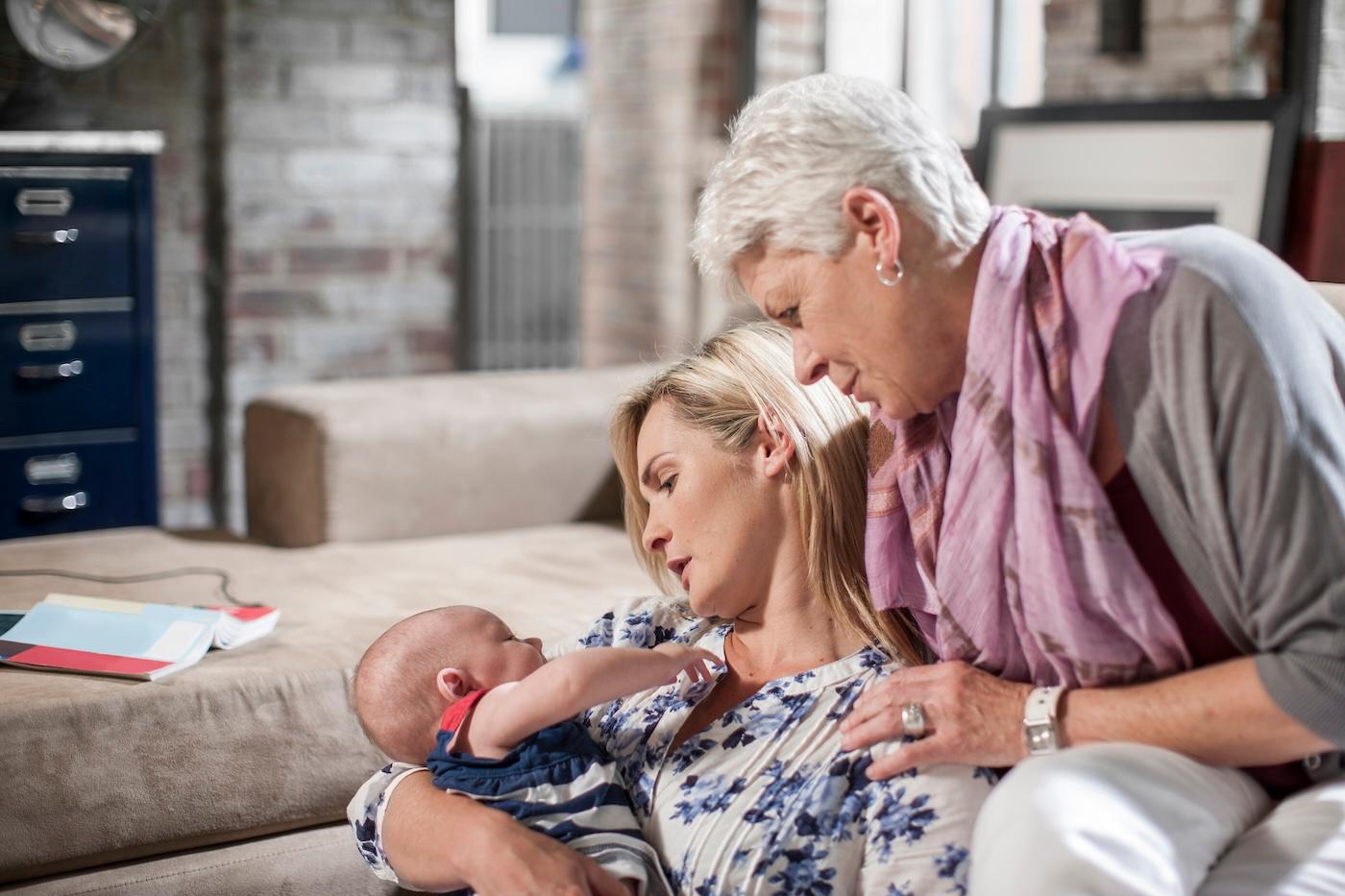
It’s very, very common to feel overwhelmed by the extraordinary experiences of labour, delivery, and the 4th trimester.

Escrito por
Happiest Baby Staff

By now, pretty much everyone has heard of postnatal depression (PND). It affects about 10% of new mums (and more than a few new dads). But have you heard of the less talked about perinatal anxiety (PNA)? What exactly are PND and PNA? How are they different? And how do you know if you have them?
What is Postnatal Depression?
PND is the deeper, dark blue version of the Baby Blues. It is marked by feelings of hopelessness, sadness, and fatigue. Women often feel nagging guilt, like they are the worst mum in the world or that their baby might be better off without them. Or, they may be plagued by little voices peppering them with criticism, ‘Why did I do this?’ ‘How could I think I would be good at this?’ ‘I am such a failure.’ PND can also lead to loss of appetite, unusual weight gain or loss, and the inability to turn your mind off and fall asleep.
It is very, very common to feel overwhelmed by the extraordinary experiences of labour, delivery, recovery, pain, starting breastfeeding, etc. After all, you are suddenly responsible for a whole entire person who requires an extreme amount of care! And layering total exhaustion on top of all this can be like the straw that breaks the camel’s back.
PND has a sneaky way of making you feel hopeless, like you are in a black pit and will never get out. But thankfully, this common problem is totally treatable! Reach out for help! And remember: You are not alone.
What is Perinatal Anxiety? How Is It Different Than PND?
This close cousin is not quite as common, but every bit as upsetting. And even though it is not as well-known as PND, 13% of new mums experience perinatal anxiety.
While PND may cause tears and hopelessness, PNA is marked by fears, obsessive concerns, scary thoughts, and irritability. Mums may worry about everything. They often experience obsessive behaviours and intrusive thoughts that are disturbing, unwanted, and out-of-character.
You may find yourself checking 50 times to make sure the baby is still breathing, or having an unshakeable worry that your baby might slide into the bath and drown, or horrible images of your baby being hurt by someone…even by you.
As you might imagine, women suffering from intrusive thoughts may hesitate to confide in others for the fear of being judged. It is so important to be able to share your concerns with someone. These thoughts can seem so real, but when you are so tired and stressed your brain can play tricks and lead you down dark paths.
What Should You Do if You Think You Have Perinatal Depression or Anxiety?
Ultimately, whether you are feeling ‘blue’ or ‘red,’ feeling joyless and incompetent or getting overwhelmed with intrusive fears and disturbing thoughts…your next steps are the same: Reach out to friends, family, your physician/midwife, or online support groups. Both PNA and PND can be treated with talk therapy, medication, helping your baby sleep, and other therapeutic techniques—many of which can be accessed without leaving your home (here are a bunch of online mental health resources for new mums).
Remember, past generations of parents had large extended families right there to help them do this exhausting work. So, please be as kind to yourself as you would be to others. Do not be shy! Ask for a little help (perhaps cooking, cleaning and watching the baby). As embarrassed and ‘abnormal’ as you may feel, it is so important to know that many other mums and dads go through very similar struggles. You are giving so much of yourself, you truly deserve to get some help at this challenging time.
Descargo de responsabilidad: La información en nuestro sitio NO es un consejo médico para ninguna persona o condición específica. Solo se proporciona como información general. Si tiene alguna pregunta o preocupación médica sobre su hijo o sobre usted mismo, por favor contacte a su proveedor de salud. La leche materna es la mejor fuente de nutrición para los bebés. Es importante que, en preparación para la lactancia y durante la misma, las madres lleven una dieta saludable y equilibrada. La combinación de lactancia materna y alimentación con biberón en las primeras semanas de vida puede reducir la producción de leche materna y es difícil revertir la decisión de no amamantar. Si decide utilizar fórmula infantil, debe seguir las instrucciones cuidadosamente.
Principales noticias






COMPARTIR ESTE ARTÍCULO
ELECCIONES DE LOS PADRES
Más vendidos