PARENTS
How to Shop, Eat, and Run Errands Safely During a Pandemic
Here is how to protect yourself and your family from COVID-19 while running essential errands.

Escrito por
Dr. Harvey Karp
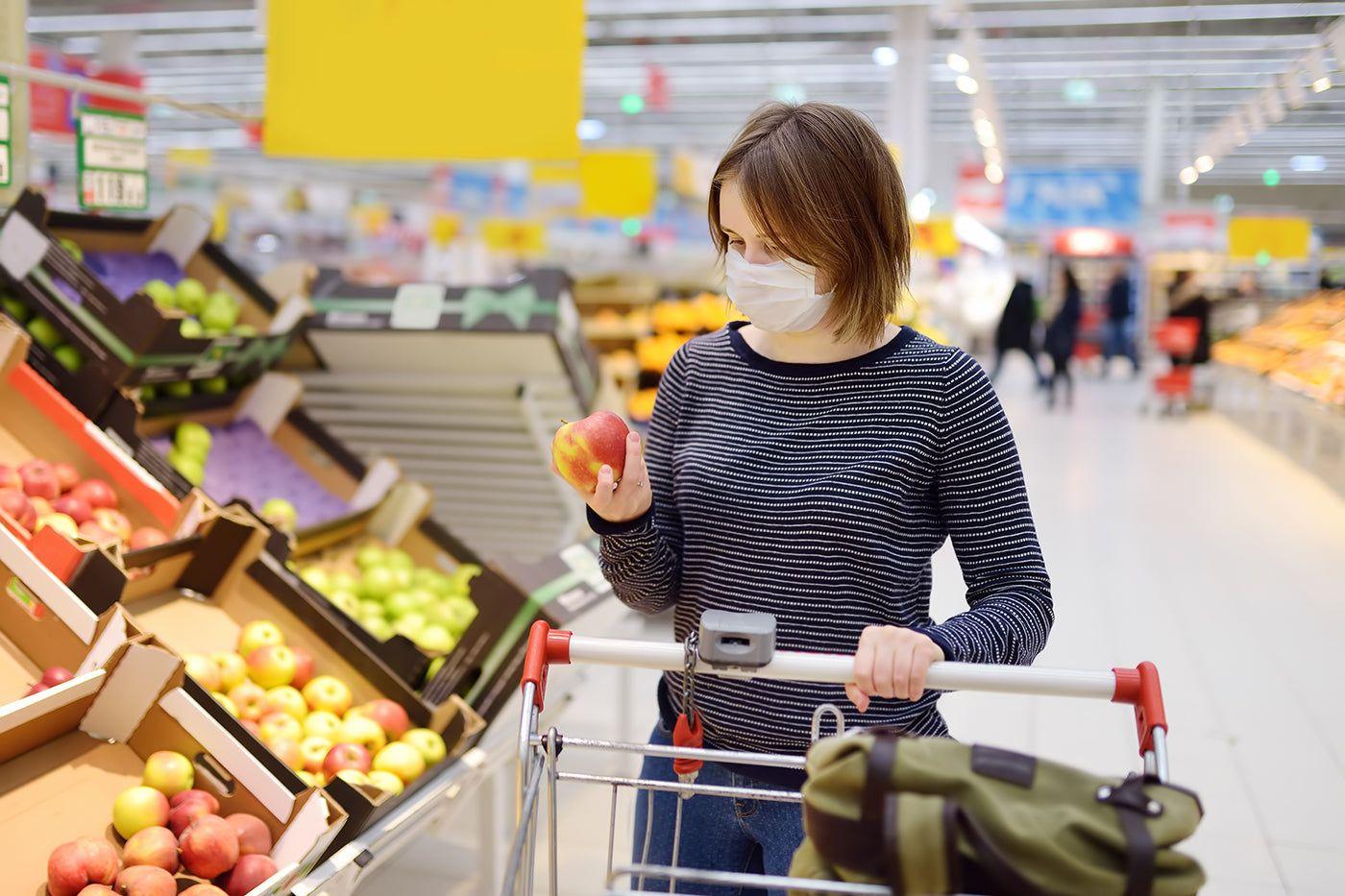
Life feels anything but normal right now…and yet, there are aspects of ordinary life that we have to keep doing—pandemic or no pandemic. Staying stocked up on groceries is one of those tasks…but with the highly contagious COVID-19 spreading, is it possible to grocery shop safely?
Though it is incredibly important that you follow safer-at-home orders and adhere to social distancing practices, when you do venture out for food or other essentials, there are a few ways that you can protect yourself and your family from coronavirus. Here are some tips for staying safe as you shop and take care of other 'normal' errands under very abnormal conditions.
If You Are Grocery Shopping in Person…
Order online or use curbside pickup if available. If your local supermarket offers delivery or curbside pickup…take advantage of it! This will allow you to get food and other essentials with the least amount of potential exposure.
Shop during the off hours. Try to pick a low-traffic shopping day and time. Needless to say, weekends and the end of the workday attract more shoppers, so it helps to consider mid-week, midday trips instead. Do not hesitate to ask the experts—the shop clerks—for their advice.
Give shoppers 2 metres of space. Do not crowd fellow shoppers! Picture this: A standard shopping trolley is about 1 metre long. That means you want to stay more than two shopping-trolley-lengths away from other people.
Bring hand sanitiser. Make sure it has at least 60% alcohol. Use it to wipe down your basket handle before you start shopping and clean your hands immediately after you finish shopping. (If you do not have hand sanitiser, use this do-it-yourself substitute: Cut some paper towels into hand-sized squares and put a bunch into a zip-lock sandwich bag and pour in an ounce of isopropyl alcohol, and zip it tightly closed).
Keep your phone in your pocket or purse. If you are touching a bunch of shared surfaces at the shop and then touch your phone—which you will probably repeatedly touch and put to your face throughout the day—you are boosting your exposure risk. To be safe, keep your phone stashed until after you have left the supermarket and washed your hands. (That means writing out your grocery list the old-fashioned way: on paper!)
Cover your face. The World Health Organization has recommended—and some cities are mandating—wearing a mask in public spaces. Since coronavirus can be spread through the droplets expelled during coughing, sneezing—and even breathing—wearing a mask will help protect people around you. If you do not have a mask, here are some tips on using a do-it-yourself covering. Note: Your mask filters out droplets so you do not inhale them. That means, droplets get stuck to the outside of your mask, so do not touch that part of your mask or allow it to touch your face.
Wear gloves...the right way. Along with your face mask, you may feel like you should also slap on a pair of gloves…which is not a bad instinct. However, gloves are not going to protect you if you use them to touch a bunch of surfaces at the supermarket…and then use them to touch your steering wheel, doorknob, phone, faucet, face…and so on. Of course, if you use gloves appropriately (wear them in the supermarket to touch shared surfaces and products; then, throw them out immediately after), they can offer an extra layer of protection.
Pay with card instead of cash…or better yet, with an app! Paying with cash might mean a double dose of touch: You have to hand over bills, and your cashier has to give you change. Instead, use a debit or credit card (ideally one you wipe clean before and after you pay) and bring your own pen to sign the receipt. If you have to use a shared stylus, wipe it down before you touch it if you can. If not, make sure you wash your hands after touching it. And, if at all possible, use a cash app, such as Apple Pay, so that you can do a completely touch-free transaction.
Take advantage of special hours if you are in a high-risk group. Many shops are offering special hours for shoppers who are over 65 or are otherwise at a higher risk for severe illness. If that is you, find out if your neighbourhood shop will allow you to come during these blocked-off times.
If You Are Having Groceries Delivered…
Arrange a no-contact hand-off. Have your driver leave your groceries on your stoop or in your apartment lobby—anything you can do to avoid having them come into your home or hand you groceries directly.
Tip electronically. Cash exchanging boosts your risk of exposure. Leave a tip in-app or find out if your delivery driver can accept tips electronically, with a service like Venmo.
Give yourself plenty of time to let your groceries arrive…like, A LOT of time. Deliveries of all kinds have been delayed lately, so place your order well before you find yourself direly low on something you need.
How to Safely Deal With Your Groceries at Home
Is it necessary to disinfect your groceries at home? The good news is that experts say that no, you do not have to disinfect each item you buy at the supermarket. As long as you are practicing other sanitary habits (like washing your hands after handling your groceries and before cooking and eating), it is highly unlikely that you will pick up coronavirus this way. However, consider opening up your zip-lock bag of hand-sized, paper towel, alcohol-soaked squares and using 1 or 2 to clean the cans and containers…just to be on the safe side).
And, here are a few additional COVID grocery precautions:
Wait a day or two before putting your groceries away. The virus will only live on a surface for about 72 hours at the most—and even before that, it can lose a lot of its infectiousness by about 24 hours. So, with the exception of perishable goods, consider leaving your groceries in your trunk, in your garage, or some other safe place for a day or two to give any germs living on the packages time to die.
Clean your countertops. After you unpack your groceries, clean the surfaces where you unpacked foods.
Wash your hands. Scrub your hands for at least 20 seconds once you finish unloading your groceries. And, make sure you have cleaned the other things you touched (like your doorknob, phone, etc. with your alcohol wipes.)
If You Are Ordering Takeaway…
Is ordering takeaway safe? Right now, experts say that ordering takeaway poses little risk to your health, as there is no evidence that the virus is transferred via food. Still, you will want to be careful, following the same guidelines as you would with groceries:
- Arrange a no-contact drop-off.
- Opt for cashless payment and tip.
- After you unpack your food, throw away packaging, clean off surfaces, and immediately wash your hands for at least 20 seconds.
How to Handle Other Errands During the COVID Crisis
For other errands the same rules and recommendations apply: Cover your face, wash your hands after your outing, do not touch your phone, do not touch your face…and so on!
Here are a few more specific tips:
When you go to the bank… Use the drive-through or ATM if you can. Wipe down the keypad with a disinfecting wipe before touching the buttons. Wash your hands immediately after touching it.
When you get gas… Wear gloves or use disinfecting wipes on the buttons and handles. Once you have fueled up, use hand sanitiser or scrub your hands with soap and water for at least 20 seconds.
When you need a chemist… Many chemists will mail prescriptions—find out if that is an option for you. You may also want to talk to your chemist and doctor about getting a longer-than-usual supply on your medications so you can make fewer trips.
With a little caution—and a lot of soap, water, alcohol, and hand sanitiser—it is possible for you to conduct essential errands without exposing yourself, or your family to COVID-19!
Descargo de responsabilidad: La información en nuestro sitio NO es un consejo médico para ninguna persona o condición específica. Solo se proporciona como información general. Si tiene alguna pregunta o preocupación médica sobre su hijo o sobre usted mismo, por favor contacte a su proveedor de salud. La leche materna es la mejor fuente de nutrición para los bebés. Es importante que, en preparación para la lactancia y durante la misma, las madres lleven una dieta saludable y equilibrada. La combinación de lactancia materna y alimentación con biberón en las primeras semanas de vida puede reducir la producción de leche materna y es difícil revertir la decisión de no amamantar. Si decide utilizar fórmula infantil, debe seguir las instrucciones cuidadosamente.
Principales noticias



COMPARTIR ESTE ARTÍCULO
ELECCIONES DE LOS PADRES
Más vendidos