PARENTS
10 Super Practical Tips to Make Pumping Suck a Little Less
Even if pumping is a new, unfun fixture in your life, there are ways to make it a little easier and more productive.

Escrito por
Dr. Harvey Karp
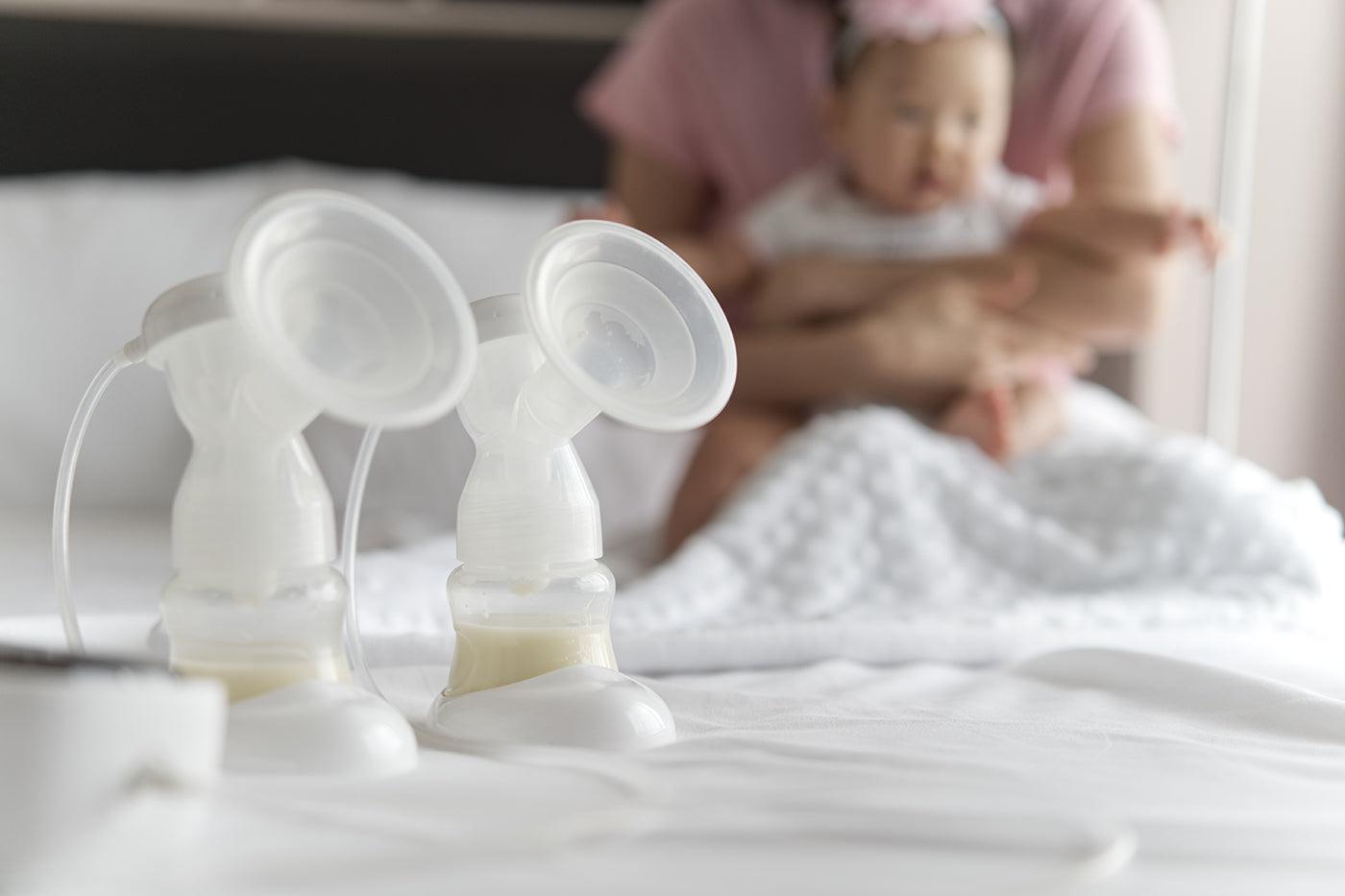
Pumping breast milk is just part of the job for many mums. But, for most, it is not a job that sparks much joy…in fact, it can be a real drag. Even if pumping is a new, unfun fixture in your life, there are ways to make it a little easier and more productive. Whether you are exclusively pumping or are pumping at work to supplement breastfeeding, here are a few tips to take some of the suck out of pumping.
Find the right flange fit for your breast pump.
Though your breast pump probably came with a set of flanges (those funnel-like plastic pieces), they are not one-size-fits all. If you are using the wrong size, pumping could be painful. It also might slow your flow. If you feel a tugging pain, your nipple looks white or red after pumping, your nipple is hitting the end of the flange, or the pump is pulling your areola into the flange, your flange might be the wrong size. Check with the manufacturer of your breast pump to determine if you should size up or down.
Master the art of hands-on pumping.
If you are struggling with your milk output, breast massage or compression can help. A 2009 study found that when mums used their hands to express milk as they pumped, they pumped 48% more than they could have with the pump alone and the milk had about twice as much fat!
How to do hands-on pumping (here is a video that shows the technique):
- Massage your breasts.
- Start pumping on both sides. As you pump, gently compress your breasts to help 'milk out' the milk. Keep pumping until your milk flow decreases (usually for about 10 minutes).
- Massage your breasts again, if you feel any lumps, do a little more pumping on that side.
Invite your baby to your pumping session.
Put all of those adorable baby vids and pics on your phone to good use…looking at your baby’s cuteness can help get the juices (er…milk) flowing. Another way to boost your output: Pack some recently used swaddle blankets in your pumping bag so you can take a big inhale of that sweet new-baby smell.
Keep your eyes off the bottles when you pump.
This is one instance where it is helpful to keep your eyes off the prize (aka the gradually accumulating liquid gold). If you are having trouble producing, you may slow your flow if you stare at the bottles while pumping.
Do a little meditation or mindfulness practice while you pump milk.
Practice some relaxing deep breathing and pretend you are laying on the most beautiful beach without a care in the world. Or imagine your milk is flowing like a river to the sea.
Skip the full scrub-down between pumping sessions.
To save time, stash your unwashed pumping equipment in a zip-top bag and keep them in the fridge until you need them again. (Pro tip: A cloth bag is less wasteful than a plastic baggie—and you can just toss it in the washing machine!) The cool temperatures of the fridge will stop bacteria in its tracks. At the end of the day, you can fully wash and sanitise your gear. Speaking of which…
Put your partner on breast pump clean-up duty.
Dads tend to be terrible at breastfeeding…but they make pretty good pump-part-cleaners! Make your partner responsible for washing, assembling, and packing your pump parts at home to lighten your load.
Schedule a multitasking morning pumping session.
Many mums find their supply peaks in the morning. To take full advantage of this milk rush, try pumping off just a couple of ounces from one or both sides. Then, put the baby on to suck out the few ounces of rich hind milk that is still inside. Your baby is a much more efficient milk-sucker than any pump! Do not worry that your baby is not getting enough. Within a few days, your breasts will suddenly think you had twins (or triplets!) and will start making a few extra ounces for you every morning.
Spring for a mini fridge to store your pumped breast milk.
If you are pumping at work, you can avoid awkward run-ins at the shared office fridge by keeping your own mini fridge. A small, 6-can fridge/cooler typically offers enough space for several bottles—and even a couple of flanges—for less than £50.
Start pumping now to build up a milk stash.
If you are planning on pumping after you go back to work, do not wait until then to begin! Get a head start by pumping now (try squeezing in a session between your normal feedings), so that you can stockpile milk in the freezer. This will take some of the pressure off once you return to the office!
Descargo de responsabilidad: La información en nuestro sitio NO es un consejo médico para ninguna persona o condición específica. Solo se proporciona como información general. Si tiene alguna pregunta o preocupación médica sobre su hijo o sobre usted mismo, por favor contacte a su proveedor de salud. La leche materna es la mejor fuente de nutrición para los bebés. Es importante que, en preparación para la lactancia y durante la misma, las madres lleven una dieta saludable y equilibrada. La combinación de lactancia materna y alimentación con biberón en las primeras semanas de vida puede reducir la producción de leche materna y es difícil revertir la decisión de no amamantar. Si decide utilizar fórmula infantil, debe seguir las instrucciones cuidadosamente.
Principales noticias






COMPARTIR ESTE ARTÍCULO
ELECCIONES DE LOS PADRES
Más vendidos