BABY
What Is the Calming Reflex?
The existence of this innate baby reflex was completely overlooked until the mid-1990s.

Escrito por
Dr. Harvey Karp
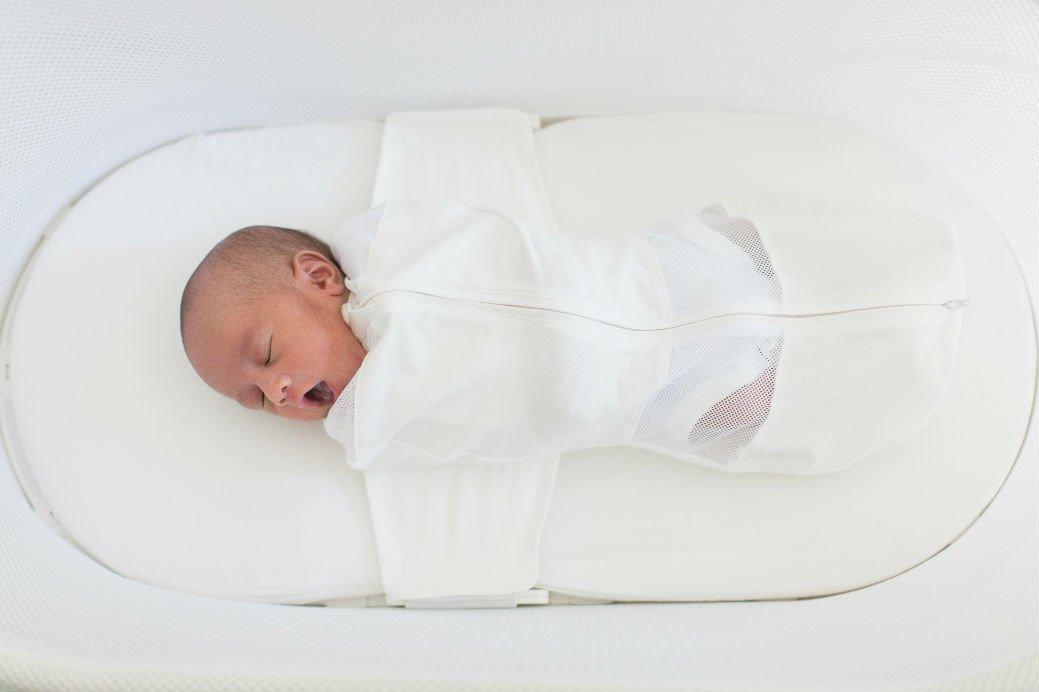
What is the Calming Reflex in Babies?
For thousands of years, mums and grandmas have intuitively known how to turn off their babies’ crying. But the existence of a calming reflex in babies was completely overlooked until I stumbled onto it in the mid-1990s while working with hundreds of crying babies in my practice.
I was struck by the fact that rocking, shushing and all the well-known methods for calming a crying baby failed to work unless they were done exactly right. Similar to the knee reflex, triggered by a precise whack of a hammer, the calming reflex kicks in with very specific actions.
[Read more: Baby Reflexes]
The soothing sensations in the womb (and close imitations out of the womb) trigger this reflex over and over again. This reset switch is truly a baby's (and parent's) best friend. Nature did not create this blessed reflex to calm crying babies… I believe it evolved to soothe fussy fetuses!
Early in pregnancy, a fetus flips all around like an Olympic gymnast. But in the last 2 months, the womb gets tighter, and flipping creates a serious risk: Your baby might end up in sideways or breech position. Until very recently, babies born breech often got stuck coming down the birth canal, usually causing the death of both the baby and the mother.
In fact, we all descend from Zen little fetuses who—during the last months of pregnancy—were almost hypnotised by the rhythmic sound and motion of the womb. It is possible that the very survival of our species was only possible because this ancient calming reflex kept our big-brained babies perfectly positioned head down as they waited to be born.
Now that you know what the calming reflex is, learn to trigger it with the 5S's method for soothing babies!
Descargo de responsabilidad: La información en nuestro sitio NO es un consejo médico para ninguna persona o condición específica. Solo se proporciona como información general. Si tiene alguna pregunta o preocupación médica sobre su hijo o sobre usted mismo, por favor contacte a su proveedor de salud. La leche materna es la mejor fuente de nutrición para los bebés. Es importante que, en preparación para la lactancia y durante la misma, las madres lleven una dieta saludable y equilibrada. La combinación de lactancia materna y alimentación con biberón en las primeras semanas de vida puede reducir la producción de leche materna y es difícil revertir la decisión de no amamantar. Si decide utilizar fórmula infantil, debe seguir las instrucciones cuidadosamente.
Principales noticias






COMPARTIR ESTE ARTÍCULO
ELECCIONES DE LOS PADRES
Más vendidos