ENCUÉNTRANOS EN LAS REDES

Facebook linkYoutube linkInstagram linkTwitter link
View post on Instagram
 
View post on Instagram
 
View post on Instagram
 
View post on Instagram
 
View post on Instagram
 
View post on Instagram
 
View post on Instagram
 
View post on Instagram
 
View post on Instagram
 
View post on Instagram
 

Únete a la familia,

Mantente al tanto

ÚNETE A NUESTRA COMUNIDAD

¡Regístrate para recibir consejos útiles, ofertas y mucho más!

ACERCA DE

Misión y FundadoresLas 5 SBlog

APOYO

Preguntas frecuentesRegistro de ProductoTarifas, envío y devolucionesPortal de DevolucionesContáctenos

COMUNIDAD

AfiliadosSocios Autorizados

LEGAL

Condiciones de ventaPolítica de PrivacidadPolítica de cookiesCondiciones de servicioContrato de licencia de usuario finalGarantía limitada de SNOOAviso legalDerecho de desistimientoPreferencias de cookiesTodos los términos legales

TIENDA

SNOO Cuna InteligenteArrullo SleepeaSNOObear Peluche con Ruido BlancoSNOObie Suavizador Inteligente

© 2026 Happiest Baby, Inc. | Todos los derechos reservados

Todas las marcas comerciales de terceros (incluyendo nombres, logotipos e iconos) referenciadas por Happiest Baby siguen siendo propiedad de sus respectivos dueños. A menos que se indique específicamente, el uso de marcas comerciales de terceros por parte de Happiest Baby no indica ninguna relación, patrocinio o respaldo entre Happiest Baby y los propietarios de estas marcas. Cualquier referencia de Happiest Baby a marcas comerciales de terceros tiene como objetivo identificar los bienes y/o servicios correspondientes y se considerará un uso nominativo justo según la ley de marcas comerciales.

    Happiest Baby
    BLOG
    FAQS

    BABY

    Lanugo: What It Is and Why Babies Have It

    Did you know babies are sometimes born covered in hair? Here is what you need to know about lanugo.

    Dr. Harvey Karp

    Escrito por

    Dr. Harvey Karp

    COMPARTIR ESTE ARTÍCULO

    Compartir en FacebookCompartir en TwitterCompartir en LinkedinCompartir en PinterestCompartir por correo electrónicoCopiar enlace al portapapeles
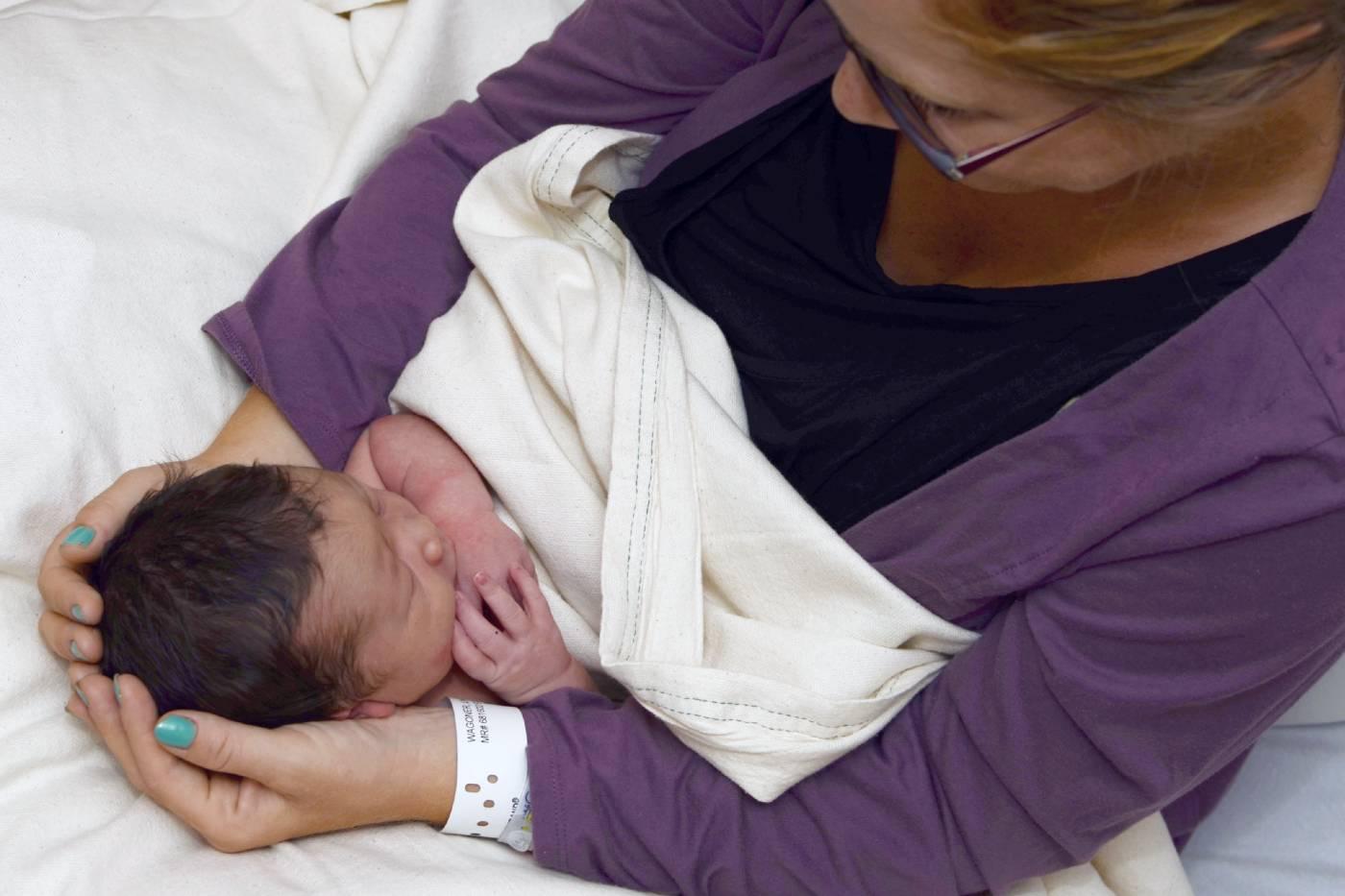
    A new mum cradles her newborn baby, who has a full head of hair.

    EN ESTA PÁGINA

    • What is lanugo?
    • What is the purpose of lanugo for newborn babies?
    • How long does it take for lanugo to fall off?
    • What does lanugo look like?

    If you’ve never seen a newborn baby, then you might be in for a bit of a shock when your lovebug arrives. Unlike the pristine pink babies on the telly, newborns IRL are wet, wrinkly, and sometimes bright red…with little smears of white cheese-like stuff (aka vernix) in the armpits and between the labia. And occasionally, they show up covered in patches of dark hair. (Probably not the glowing bundle you have imagined…but beautiful, nonetheless!) The hair that covers newborns is called lanugo, and though it may seem odd, it is nothing to worry about.

    What is lanugo?

    If you have been reading up on your pregnancy week by week, then you might have learned that between week 14 and week 16 your baby begins to develop hair called lanugo. But before you start daydreaming about your baby having mummy’s curls or daddy’s chestnut waves, you should know that lanugo is temporary and will likely be gone before your baby is even born!

    What is the purpose of lanugo for newborn babies?

    Lanugo plays a key role in helping the vernix (a white cheese-like substance that covers the fetus in the months before birth) bind to skin while in the uterus. With the sticky vernix being held in place by the tiny hairs, the growing skin is cosy and warm. It also protects the skin from the amniotic fluids (can you imagine your skin if you sat in a tub for 9 months straight?!).

    How long does it take for lanugo to fall off?

    During the final weeks of pregnancy, the fetus typically sheds the lanugo and then munches on little hairs that float by—here and there—as it swallows the amniotic fluid. The lanugo essentially becomes part of Baby’s first meal, or at least first snack. After birth, a newborn will pass the lanugo in their first poos, called meconium. Then, very soon after birth, the newborn’s skin will begin to grow the fine body hair that all humans have.

    What does lanugo look like?

    If your baby is born with traces of lanugo still present, it will simply look like patches of fine, dark body hair. The usual locations for these tufts are on the tops of the ears, across the forehead, on the back…especially down by the sacrum (just north of the gluteal fold, otherwise known as the butt-crack).

    Growing and shedding lanugo is a normal and harmless rite of passage for newborns, but do not hesitate to speak with your care provider if you have any questions!

    Descargo de responsabilidad: La información en nuestro sitio NO es un consejo médico para ninguna persona o condición específica. Solo se proporciona como información general. Si tiene alguna pregunta o preocupación médica sobre su hijo o sobre usted mismo, por favor contacte a su proveedor de salud. La leche materna es la mejor fuente de nutrición para los bebés. Es importante que, en preparación para la lactancia y durante la misma, las madres lleven una dieta saludable y equilibrada. La combinación de lactancia materna y alimentación con biberón en las primeras semanas de vida puede reducir la producción de leche materna y es difícil revertir la decisión de no amamantar. Si decide utilizar fórmula infantil, debe seguir las instrucciones cuidadosamente.

    Principales noticias

    El Dr. Harvey Karp utiliza las 5 S para calmar a un bebé quisquilloso

    BEBÉ

    Las 5 S’s para calmar a un bebé

    Un bebé en el Cuarto Trimestre

    BEBÉ

    ¿Qué es el cuarto trimestre?

    Recién nacido durmiendo

    BEBÉ

    Beneficios del ruido blanco para bebés recién nacidos

    A baby with a pacifier

    NIÑO PEQUEÑO

    Cómo y cuándo dejar de usar el chupete

    La madre sostiene al bebé durante la regresión del sueño de 3 a 4 meses

    BEBÉ

    No te dejes sorprender por la regresión del sueño de 3 a 4 meses

    A mother gives her newborn baby a dream feed

    BEBÉ

    ¿Qué es la alimentación onírica?...¿Y cómo la realizo?

    COMPARTIR ESTE ARTÍCULO

    Compartir en FacebookCompartir en TwitterCompartir en LinkedinCompartir en PinterestCompartir por correo electrónicoCopiar enlace al portapapeles

    ELECCIONES DE LOS PADRES

    Más vendidos
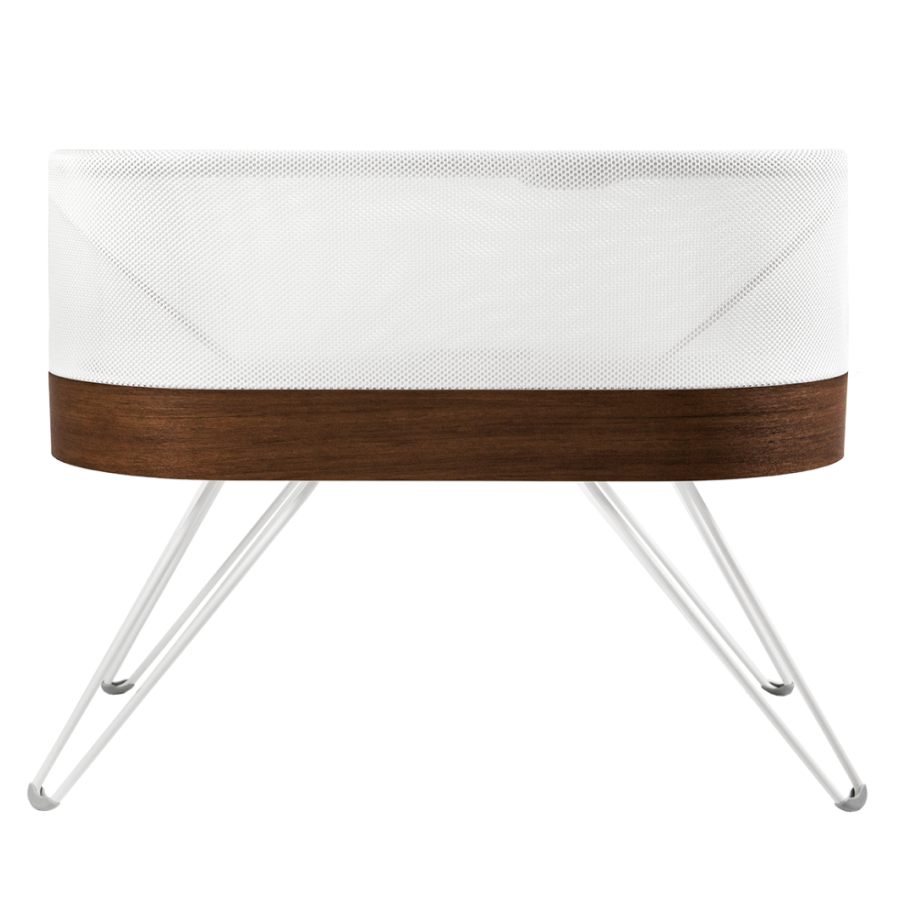
    Cuna inteligente SNOO

    SNOO Smart Sleeper Baby Cot

    1395,00 €

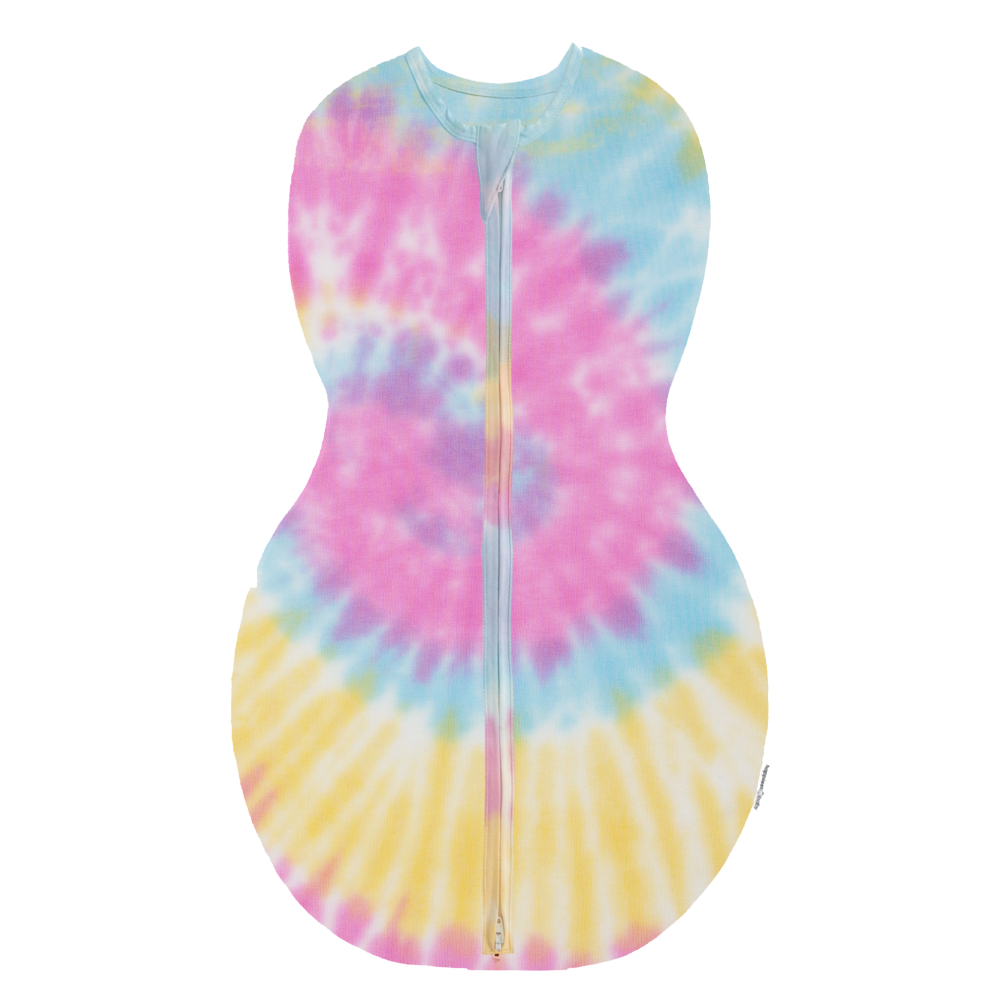
    Slepea envoltura para bebé en 5 segundos arcoíris

    Sleepea® 5-Second Baby Swaddle

    32,95 €

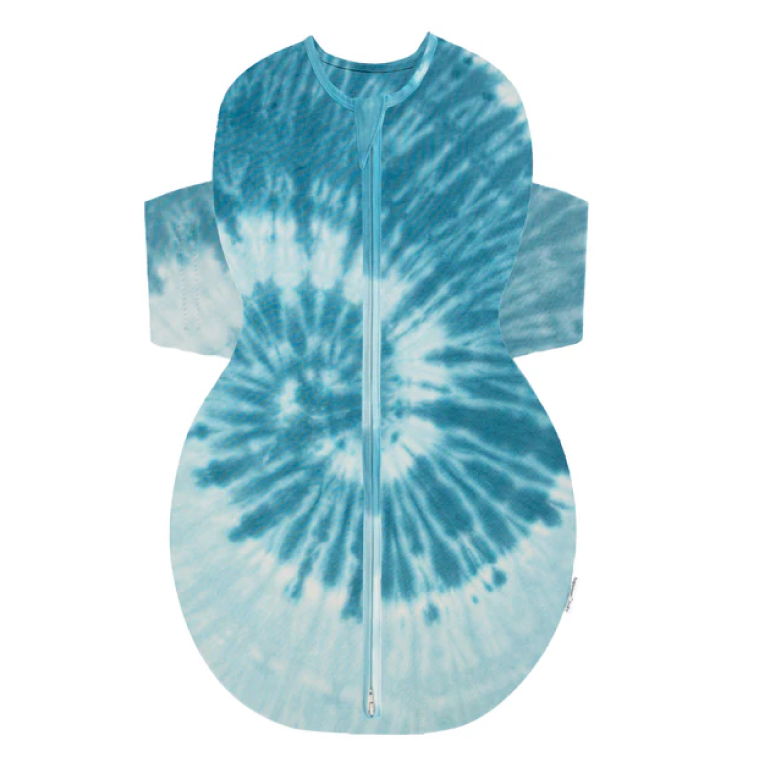
    Saco de dormir SNOO 100% orgánico azul tie-dye

    100% Organic SNOO Sleep Sack

    34,95 €

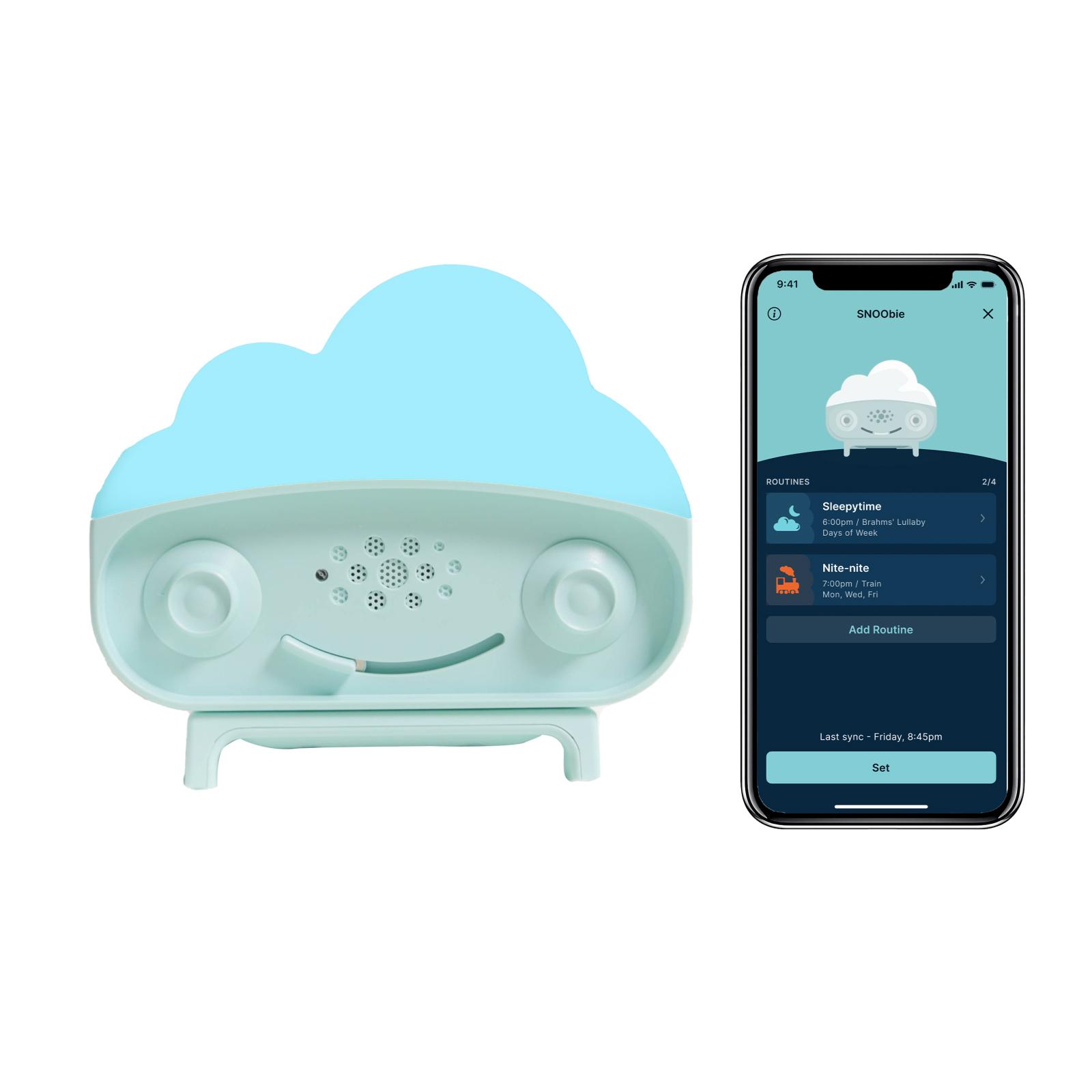
    SNOObie® Smart Soother

    69,95 €

    SNOObear de color cacao lanoso

    SNOObear® 3-in-1 White Noise Lovey

    54,95 €

    Cuna inteligente SNOO con mosquitera adjunta

    Shoo Mosquito Net

    88,00 €

    Nubes de Sky Mobile

    Sky Mobile

    89,95 €

    Sábana ajustable para cuna SNOO de algodón 100% orgánico en color azul tie-dye en la caja

    100% Organic Cotton SNOO Baby Cot Fitted Sheet

    19,95 €

    Paquete de 3 sábanas para cuna SNOO en 3 colores diferentes

    SNOO Organic Baby Cot Sheets 3 Pack

    €59.85

    38,90 €

    Saco de dormir Sleepea® en color rosa

    Sleepea® Comforter Swaddle

    42,95 €

    Saco de dormir SNOO 100% orgánico en color grafito

    100% Organic SNOO Sleep Comforter Sack

    44,95 €

    Paquete de 3 sacos de dormir Sleepea® en color teal planetas

    Sleepea® Swaddle Sack 3 Pack Bundle

    €98.85

    69,20 €

    Más sobre Baby

    A curled-up newborn baby

    BABY

    ¿Qué es el “newborn scrunch”?

    Aquí tienes toda la información sobre este adorable reflejo.

    A mum and her newborn baby doing skin-to-skin

    BABY

    Why Holding Your Baby Skin-to-Skin Is So Powerful

    From regulating body temperature to promoting bonding, the benefits of skin-to-skin are profound!