BABY
Contact Dermatitis in Babies—What Parents Should Know
The sweet softness of baby also makes it extra prone to scratchy, itchy, red irritations, including contact dermatitis.

Escrito por
Dr. Harvey Karp
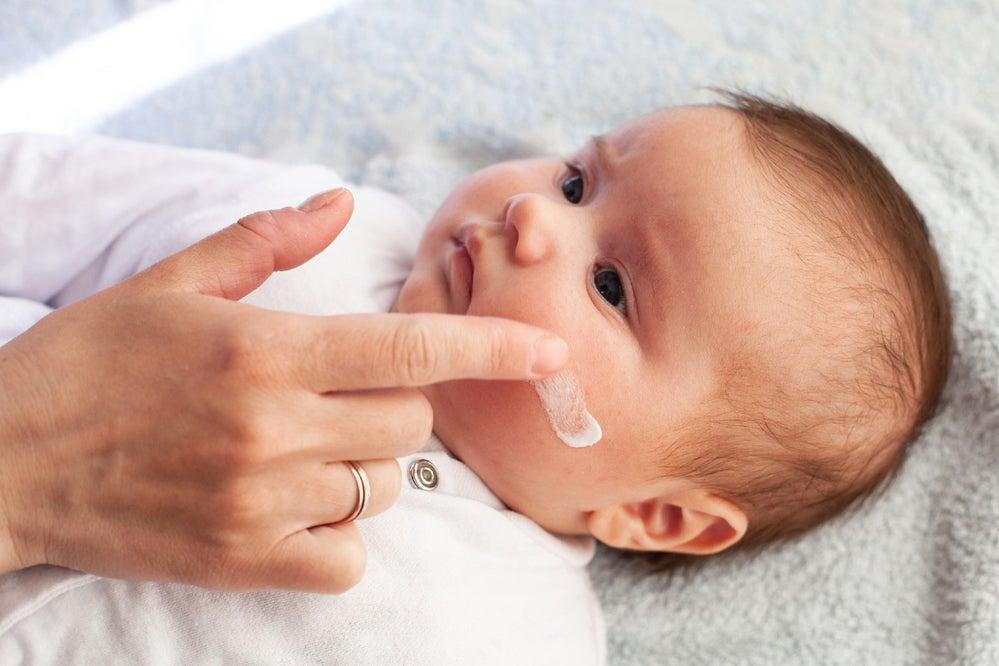
Ahhh…that beautiful! plump! baby-scented! skin! It is so soft and delicious. But the softness also makes it extra prone to scratchy, itchy, red irritations, including contact dermatitis. In most cases, contact dermatitis is mild—more nuisance than nightmare—and can be managed with some simple treatments (below). But let us do a quick review and go over keeping your precious baby’s skin beautiful…step-by-step.
What is contact dermatitis?
Contact dermatitis just means a red rash where something touched your little one’s skin. The kicker is that different children have different triggers! (More on that in a second.) The good news? Contact dermatitis is not contagious, so your kid cannot spread it to others. (Phew!)
Note: Babies with atopic dermatitis (aka eczema) are a bit more prone to contact dermatitis.
What causes contact dermatitis?
There are two kinds of contact dermatitis triggers: irritation and allergy.
Irritant contact dermatitis
This is caused when sensitive skin is touched/rubbed with a rough material or the skin stays wet (causing the loss of skin oils, drying and microscopic cracks in the skin).
Irritant contact dermatitis triggers include:
- Soaps with fragrance or deodorant
- Detergents (including your sheets/clothing washed in detergent)
- Wet nappies
- Skin creams/lotions
- Saliva and sweat
- Rough labels
- Bleach
- Sizing chemical that is in new baby clothes (or in your new clothes)
- Zips, snaps, or metal buckles (contain nickel)
- Wool clothing
Allergic contact dermatitis
Unlike irritation, this type of dermatitis is triggered by an allergic reaction (more common in families who have lots of allergies). It usually takes one to two days after exposure for this type of reaction to kick in.
Common allergic contact dermatitis culprits include:
- Fragrances
- Rubber (including Latex) in toys, nipples, or dummies
- Nickel, found in some metal jewelry, snaps, zips, and cell phones
- Plant oils (like poison ivy)
- Some topical antibiotics (like Neomycin)
What are contact dermatitis treatments?
As mentioned above, if you were to look at your baby’s red skin with a microscope, you would see lots of teensy-tiny breaks in the skin. That is why irritated skin is easier to further inflame. It is also why it often takes a week for rashes to fully go away. In other words, when skin gets irritated, it is a good idea to be extra attentive to the rash-y area for several days after it looks better…to allow all the little, microscopic cracks to fully heal.
Here are some simple things you can do at home to help your kid’s skin bounce back:
- Wash the affected area with just water (or lightly with a very mild soap)
- Pat dry: Dry with a soft cotton towel and then put on a good sprinkling of corn starch powder, to keep the skin soft, dry, and protected from sweat.
- Aloe: When skin is very irritated, a little fresh aloe vera (right from an aloe leaf) is soothing. Put it on and let it dry very well…then put the powder on it.
- Mitt your baby: This can help your child avoid scratching the inflamed area. (Scratching can make the symptoms worse.)
- Corticosterone: Always speak with a healthcare provider before giving medications to your child, but over-the-counter 1% corticosteroid ointment might help decrease the irritation. Of course, if you use ointment you do not need to use powder (it would make a mess!).
- Oil: After a couple of days—once the redness appears less rough—a light oil, like jojoba, avocado, almond, or cocoa butter is great to use for five to seven days to protect the skin as it is healing. (Oil is better than cream because creams are mostly water and may cause more drying and irritation).
Note: If you have a baby who is prone to irritation rashes, here are a couple of things to prevent rash before it occurs:
- regularly use a bit of cornstarch powder in the sweaty creases (neck, elbow, behind knee)
- give your baby a total body oil massage after every bath (usually every one to two days)
- use a thick nappy cream on the buttocks and hip creases to protect from pee and poop
For persistent itchy red rashes—allergic contact dermatitis—your healthcare provider might recommend some allergy testing (this may include blood tests or skin tests where small amounts of different allergens are applied to the skin with a patch or a little pin prick) or prescribe stronger medications, such as oral corticosteroids.
When should I call my healthcare provider about contact dermatitis?
You will want to call your paediatrician if:
- The rash is around your child’s eyes or genitals.
- The rash covers a large area or lasts more than a couple of days.
- Symptoms worsen.
- The skin is raw or there are signs of infection (spreading redness, tenderness, warmth, swelling, blistering, or bleeding).
Remember, babies get rashes all the time…it is the downside of that oh-so-touchable skin. If you spy irritation, there is no need to panic. In many cases, contact dermatitis can be easily treated with no lasting effects. Always feel free to talk with your child’s healthcare provider if you have any questions or concerns about contact dermatitis. They are there to help!
Descargo de responsabilidad: La información en nuestro sitio NO es un consejo médico para ninguna persona o condición específica. Solo se proporciona como información general. Si tiene alguna pregunta o preocupación médica sobre su hijo o sobre usted mismo, por favor contacte a su proveedor de salud. La leche materna es la mejor fuente de nutrición para los bebés. Es importante que, en preparación para la lactancia y durante la misma, las madres lleven una dieta saludable y equilibrada. La combinación de lactancia materna y alimentación con biberón en las primeras semanas de vida puede reducir la producción de leche materna y es difícil revertir la decisión de no amamantar. Si decide utilizar fórmula infantil, debe seguir las instrucciones cuidadosamente.
Principales noticias






COMPARTIR ESTE ARTÍCULO
ELECCIONES DE LOS PADRES
Más vendidos