ENCUÉNTRANOS EN LAS REDES

Facebook linkYoutube linkInstagram linkTwitter link
View post on Instagram
 
View post on Instagram
 
View post on Instagram
 
View post on Instagram
 
View post on Instagram
 
View post on Instagram
 
View post on Instagram
 
View post on Instagram
 
View post on Instagram
 
View post on Instagram
 

Únete a la familia,

Mantente al tanto

ÚNETE A NUESTRA COMUNIDAD

¡Regístrate para recibir consejos útiles, ofertas y mucho más!

ACERCA DE

Misión y FundadoresLas 5 SBlog

APOYO

Preguntas frecuentesRegistro de ProductoTarifas, envío y devolucionesPortal de DevolucionesContáctenos

COMUNIDAD

AfiliadosSocios Autorizados

LEGAL

Condiciones de ventaPolítica de PrivacidadPolítica de cookiesCondiciones de servicioContrato de licencia de usuario finalGarantía limitada de SNOOAviso legalDerecho de desistimientoPreferencias de cookiesTodos los términos legales

TIENDA

SNOO Cuna InteligenteArrullo SleepeaSNOObear Peluche con Ruido BlancoSNOObie Suavizador Inteligente

© 2026 Happiest Baby, Inc. | Todos los derechos reservados

Todas las marcas comerciales de terceros (incluyendo nombres, logotipos e iconos) referenciadas por Happiest Baby siguen siendo propiedad de sus respectivos dueños. A menos que se indique específicamente, el uso de marcas comerciales de terceros por parte de Happiest Baby no indica ninguna relación, patrocinio o respaldo entre Happiest Baby y los propietarios de estas marcas. Cualquier referencia de Happiest Baby a marcas comerciales de terceros tiene como objetivo identificar los bienes y/o servicios correspondientes y se considerará un uso nominativo justo según la ley de marcas comerciales.

    Happiest Baby
    BLOG
    FAQS

    BABY

    Can Babies Be Allergic to Breastmilk?

    Allergies may explain why your baby cries after nursing.

    Dr. Harvey Karp

    Escrito por

    Dr. Harvey Karp

    COMPARTIR ESTE ARTÍCULO

    Compartir en FacebookCompartir en TwitterCompartir en LinkedinCompartir en PinterestCompartir por correo electrónicoCopiar enlace al portapapeles
    breastmilk allergy

    EN ESTA PÁGINA

    • Milk Allergy in Infants
    • Milk Allergy Symptoms in Babies
    • Diagnosing Breastfeeding Allergies

    COMPARTIR ESTE ARTÍCULO

    Compartir en FacebookCompartir en TwitterCompartir en LinkedinCompartir en PinterestCompartir por correo electrónicoCopiar enlace al portapapeles

    ELECCIONES DE LOS PADRES

    Más vendidos

    Cuna inteligente SNOO

    SNOO Smart Sleeper Baby Cot

    1395,00 €

    Slepea envoltura para bebé en 5 segundos arcoíris

    Sleepea® 5-Second Baby Swaddle

    32,95 €

    Saco de dormir SNOO 100% orgánico azul tie-dye

    100% Organic SNOO Sleep Sack

    34,95 €

    SNOObie® Smart Soother

    69,95 €

    SNOObear de color cacao lanoso

    SNOObear® 3-in-1 White Noise Lovey

    54,95 €

    Cuna inteligente SNOO con mosquitera adjunta

    Shoo Mosquito Net

    88,00 €

    Nubes de Sky Mobile

    Sky Mobile

    89,95 €

    Sábana ajustable para cuna SNOO de algodón 100% orgánico en color azul tie-dye en la caja

    100% Organic Cotton SNOO Baby Cot Fitted Sheet

    19,95 €

    Paquete de 3 sábanas para cuna SNOO en 3 colores diferentes

    SNOO Organic Baby Cot Sheets 3 Pack

    €59.85

    38,90 €

    Saco de dormir Sleepea® en color rosa

    Sleepea® Comforter Swaddle

    42,95 €

    Saco de dormir SNOO 100% orgánico en color grafito

    100% Organic SNOO Sleep Comforter Sack

    44,95 €

    Paquete de 3 sacos de dormir Sleepea® en color teal planetas

    Sleepea® Swaddle Sack 3 Pack Bundle

    €98.85

    69,20 €

    Más sobre Baby

    A curled-up newborn baby

    BABY

    ¿Qué es el “newborn scrunch”?

    Aquí tienes toda la información sobre este adorable reflejo.

    A mum and her newborn baby doing skin-to-skin

    BABY

    Why Holding Your Baby Skin-to-Skin Is So Powerful

    From regulating body temperature to promoting bonding, the benefits of skin-to-skin are profound!

    Milk Allergy in Infants

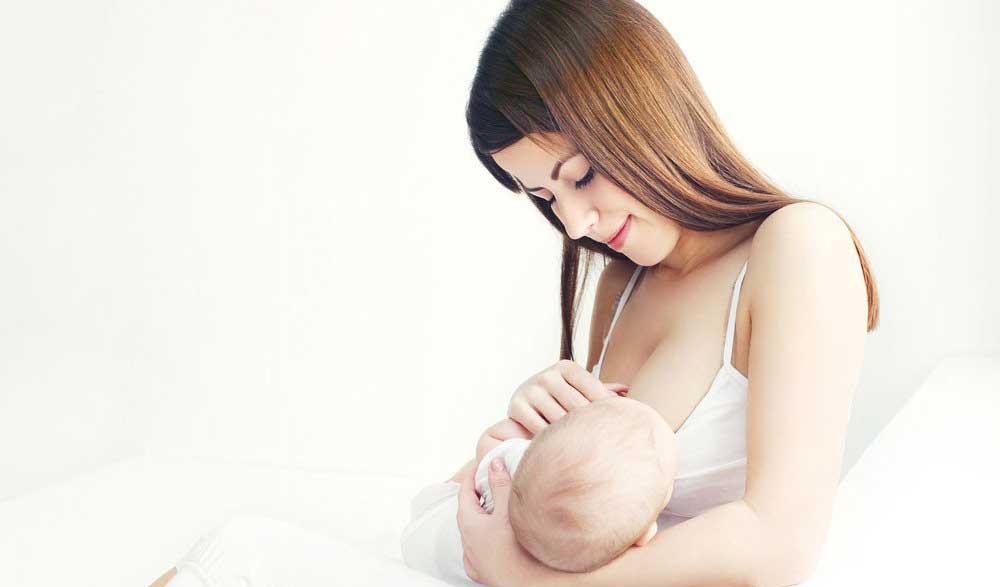
    If your baby seems extra fussy, gassy, barfy, snorty, or rashy you may wonder, ‘Can babies be allergic to breastmilk?’ The answer? No, the natural breastmilk proteins are so mild that they do not provoke allergies in babies. However, here is the big BUT. Babies can be allergic to foods that you eat…tiny bits of which can sneak into your milk!

    How do we know infants do not get breastmilk allergies? In 1983, Swedish scientists proved that even colicky babies are totally fine with their mum’s milk, however, they can be allergic to proteins that pass through mum’s intestines into her bloodstream and then into her milk.

    And, those foreign invaders can sometimes create major hassles. About 10% of colic is caused by a baby food allergy—most often the common allergenic foods, like dairy, soy, citrus, eggs, nuts, etc.—or food sensitivity—like caffeine in coffee, chocolate, tea, cola, Chinese herbs, or decongestant medicine. (Most colic has nothing to do with the intestines. It is actually an imbalance of too much chaos and too much quiet and  too little rhythmic stimulation. That is why fussy babies can often be soothed by the 5 S’s.)

    Milk Allergy Symptoms in Babies

    Allergies are an overreaction of the immune system as it tries to protect us from foreign proteins. In older children and adults, the fight between your body and say, cat dander or pollen, takes place ‘up high,’ causing a runny nose or sneezing. But with infants, the allergy battleground is in the intestines. Here are the most common symptoms of milk allergies in infants.

    • A lot of spitting up
    • Vomiting
    • Signs of abdominal pain (crying and grunting)
    • Slimy diarrhea or blood in stools
    • Hives
    • Eczema (itchy red rash inside knees, elbows, neck) or Scaly skin rash
    • Coughing or wheezing
    • Watery eyes, runny nose’ or stuffy nose
    • Swelling (especially of the lips, tongue’ or throat)

    Diagnosing Breastfeeding Allergies

    Within 30 minutes of a mum eating a meal, tiny bits of proteins make it all the way from her belly to her breast…and can hang out in there for hours. As mentioned, the most common food allergies babies fall prey to are cow’s milk and soy, and much less common are eggs, nuts, citrus, wheat, and shellfish. (The exact same things that cause allergies in big people.) Your healthcare provider may recommend you go a week without consuming these foods (also known as an “elimination diet”…also known as just chicken and water…ugh!) to see if the symptoms improve, which usually takes 3-7 days to notice. And then, if things do get better, your health care provider will likely have you do a food challenge, to see if the symptoms come back, which usually happens in just 1-2 days.

    If you have concerns about your baby possibly having allergies (from fussing to huge spit ups to stringy, red-tinged mucus in the poo), make sure you discuss that with your healthcare provider.

    Descargo de responsabilidad: La información en nuestro sitio NO es un consejo médico para ninguna persona o condición específica. Solo se proporciona como información general. Si tiene alguna pregunta o preocupación médica sobre su hijo o sobre usted mismo, por favor contacte a su proveedor de salud. La leche materna es la mejor fuente de nutrición para los bebés. Es importante que, en preparación para la lactancia y durante la misma, las madres lleven una dieta saludable y equilibrada. La combinación de lactancia materna y alimentación con biberón en las primeras semanas de vida puede reducir la producción de leche materna y es difícil revertir la decisión de no amamantar. Si decide utilizar fórmula infantil, debe seguir las instrucciones cuidadosamente.

    Principales noticias

    El Dr. Harvey Karp utiliza las 5 S para calmar a un bebé quisquilloso

    BEBÉ

    Las 5 S’s para calmar a un bebé

    Un bebé en el Cuarto Trimestre

    BEBÉ

    ¿Qué es el cuarto trimestre?

    Recién nacido durmiendo

    BEBÉ

    Beneficios del ruido blanco para bebés recién nacidos

    A baby with a pacifier

    NIÑO PEQUEÑO

    Cómo y cuándo dejar de usar el chupete

    La madre sostiene al bebé durante la regresión del sueño de 3 a 4 meses

    BEBÉ

    No te dejes sorprender por la regresión del sueño de 3 a 4 meses

    A mother gives her newborn baby a dream feed

    BEBÉ

    ¿Qué es la alimentación onírica?...¿Y cómo la realizo?