PREGNANCY
Healing and Recovery After Birth: Stitches, Bleeding & Hemorrhoids
These tips will help you heal after delivery.

Written by
Happiest Baby Staff

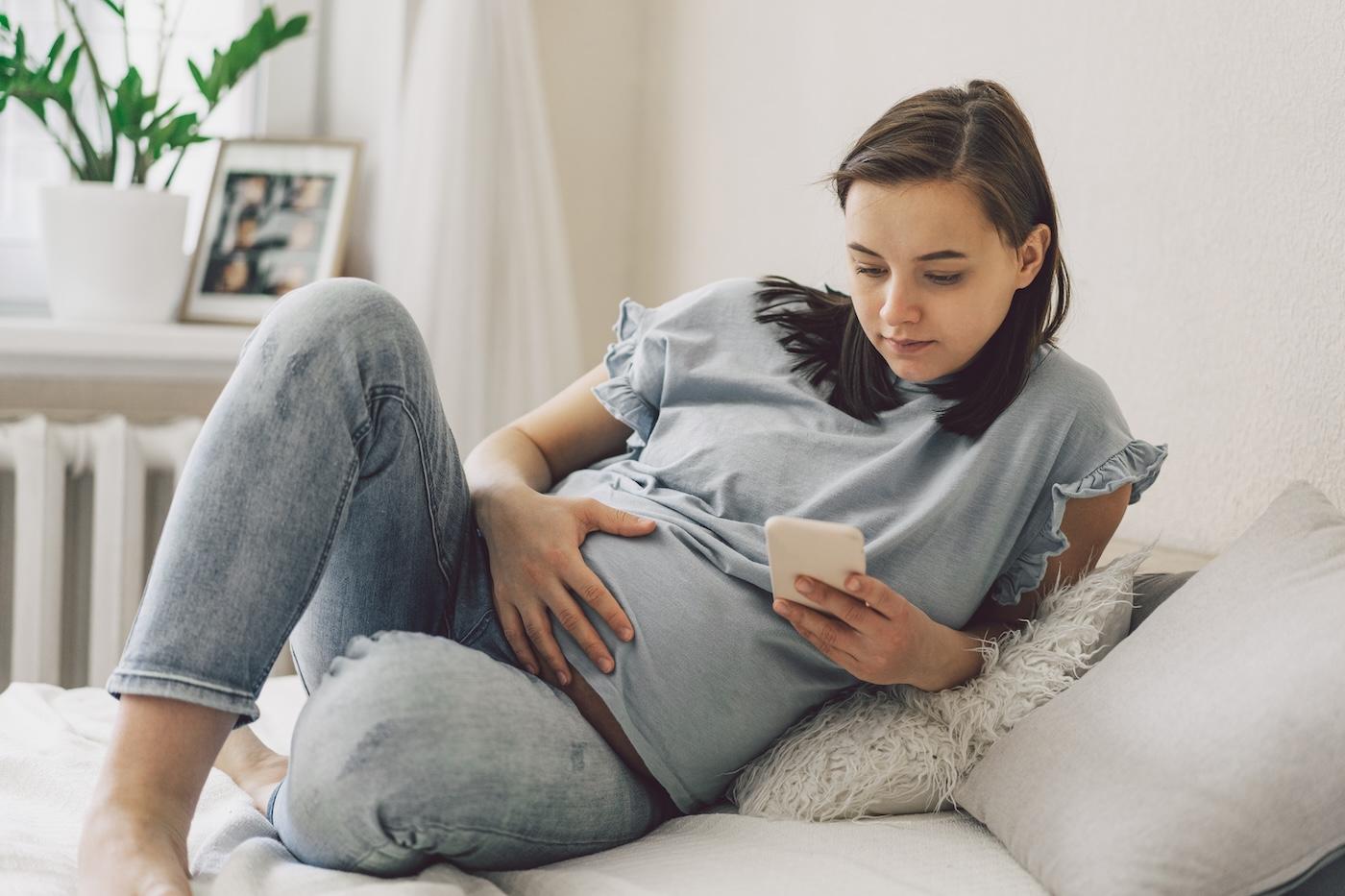
No matter how you give birth…vaginal or caesarean, at home or in a hospital, after 36 hours of labor or a single blink-and-you-missed-it push…your body is going to experience some uncomfortable—or painful—after-effects.
New mom, model, and actress Chrissy Teigen pulled back the curtain when she tweeted, “No one told me I would be coming home in diapers too.” She even shared a hilarious picture of her “push present:” a perineal irrigation bottle!
Chrissy “won the Internet” for talking about something that many new moms don’t: body issues that can seem too personal, too private or even too embarrassing…to discuss. In fact, what happens after delivery can take a lot of women by surprise.
But during the days and weeks after birth, your body goes through a healing process that’s totally normal and natural! With a little know-how and a well-stocked bathroom cabinet, you’ll be on the road to recovery in no time.
Vaginal Soreness, Itching, Pain, and Healing After Birth
The female body is made to give birth…but ouch, it still hurts. After a vaginal delivery, all moms should expect some pain, soreness, bruising or swelling in the vagina and perineal area; you might feel it especially while sitting or moving around.
Some moms have vaginal tearing as the baby enters the world. After all, by the time your kiddo is ready to be born, her head is the size of a melon! Depending on the tear, your doctor may stitch you up in the delivery room. You’ll heal and the stitches will dissolve on their own in a few weeks, but some stinging or burning is common.
If your doctor needs to assist you in delivery—by using a vacuum or forceps, or giving you an episiotomy—these steps can mean greater injury to your body. (That’s why it’s a good idea to discuss these options with your doctor in advance of your delivery.)
Healing tips for your vagina after birth:
- Take it easy on your body. Get sleep, get rest and allow yourself to be waited on a bit, like the goddess you are!
- Use a perineal irrigation bottle (like a squirt water bottle) until you feel better. Dousing yourself during and after urinating can ease any burning and keep the area clean to avoid infection. Then, pat gently with clean toilet paper or a baby wipe. Don’t rub.
- Applying an ice pack, sitting on pillows, using sanitary pads with witch hazel, and soaking in a sitz bath—with water just deep enough to cover your tender areas—can all help to ease pain.
- If the pain is too bothersome, over-the-counter ibuprofen or acetaminophen can help (aspirin can increase bleeding), if you are breastfeeding, always ask your baby’s healthcare provider before taking any medications. Some doctors also recommend a numbing spray.
Postpartum Bleeding, Discharge and Cramping
Sorry, moms. This trifecta is unavoidable—even after a C-section.
Starting right after delivery, your body will begin to shed blood and parts of the uterine lining called lochia. The bleeding and discharge are heaviest in the first few days following birth and diminishing amounts can last 5-10 days with light discharge or spotting continuing for 4-6 weeks. (Discharge is typically lighter with C-sections). Check with your doctor if the bleeding is not substantially reducing after a few days.
You can also expect abdominal cramping—much like period cramps, or mild contractions—as your now baby-free uterus shrinks back to normal size.
Postpartum healing tips:
- At the hospital or birthing center, your caregivers will give you a pair of mesh underwear. Grab a bunch before heading home. They’re far from stylish, but they hold high-absorbency maxi pads in place and will save you from ruining your favorite underthings.
Poop Problems After Giving Birth
If you think pushing out a baby is scary, just wait for the first time nature calls after delivery! Plenty of new moms experience a little “fear of pooping” after birth, and can wind up constipated as a result.
Healing tips for postpartum pooping:
- Keep things moving…drink plenty of water and eat a healthy diet full of fruits and vegetables. A fiber supplement may help.
- Prevent bad from getting worse by taking a stool softener, like prune or aloe vera juice or milk of magnesia (safe for breastfeeding moms), soon after delivery. If that’s not working, ask your doctor for a medicated approach so you can poop unafraid.
Postpartum Hemorrhoids
No two ways about it…these are a bummer. Postpartum hemorrhoids are swollen veins in the rectum usually caused by straining—like when you’re chronically constipated….or have a baby putting pressure on your abdominal veins for months! And despite being such a common side effect of pregnancy and delivery, your record-breaking hemorrhoids after birth may catch you by surprise.
Healing tips for postpartum hemorrhoids:
- Constipation is the enemy, so get lots of water and fiber to stay regular and keep active to prime yourself to poop. But don’t force it if your body isn’t ready to go (but don’t wait too long either…another reason stool softeners are recommended).
- Many of the tips for vaginal pain can help here too…sit on pillows, apply ice packs or witch hazel, or soothe your bum with a bath.
- Over-the-counter creams can relieve itching and burning. Ask your doctor to recommend a good one.
Frequent Peeing After Birth
You thought pregnancy meant a lot of trips to the bathroom! Many postpartum moms experience a frequent need to pee, as the body starts to lose all the excess fluid that built up during pregnancy.
Some women also have trouble stopping the flow. In fact, the strain of vaginal delivery can cause mild incontinence for new moms (which you might learn the hard way after a big laugh or sneeze!)
Postpartum healing tips:
- Doing Kegel exercises is the surest way to rebuild strength in the pelvic muscles that control urination. A thin panty liner offers protection in the meantime.
- Talk to your doctor if the problem doesn’t improve after a few weeks. You may benefit from physical therapy.
In between all those stops at the pediatrician’s office, don’t forget to visit your doctor for a postpartum check-up! That usually happens at 6 weeks, in which moms are typically given the green light to start having sex again. Many moms also talk birth control at this visit…not everyone’s ready to put their body through all that again immediately!
Disclaimer: The information on our site is NOT medical advice for any specific person or condition. It is only meant as general information. If you have any medical questions and concerns about your child or yourself, please contact your health provider. Breastmilk is the best source of nutrition for babies. It is important that, in preparation for and during breastfeeding, mothers eat a healthy, balanced diet. Combined breast- and bottle-feeding in the first weeks of life may reduce the supply of a mother's breastmilk and reversing the decision not to breastfeed is difficult. If you do decide to use infant formula, you should follow instructions carefully.

SHARE THIS ARTICLE
PARENT PICKS
Bestsellers