TODDLER
Teach Kids The Greatest Love of All: Self-Love!
Surprise: Self-centered toddlers need to learn self-love!

Geschrieben von
Happiest Baby Staff
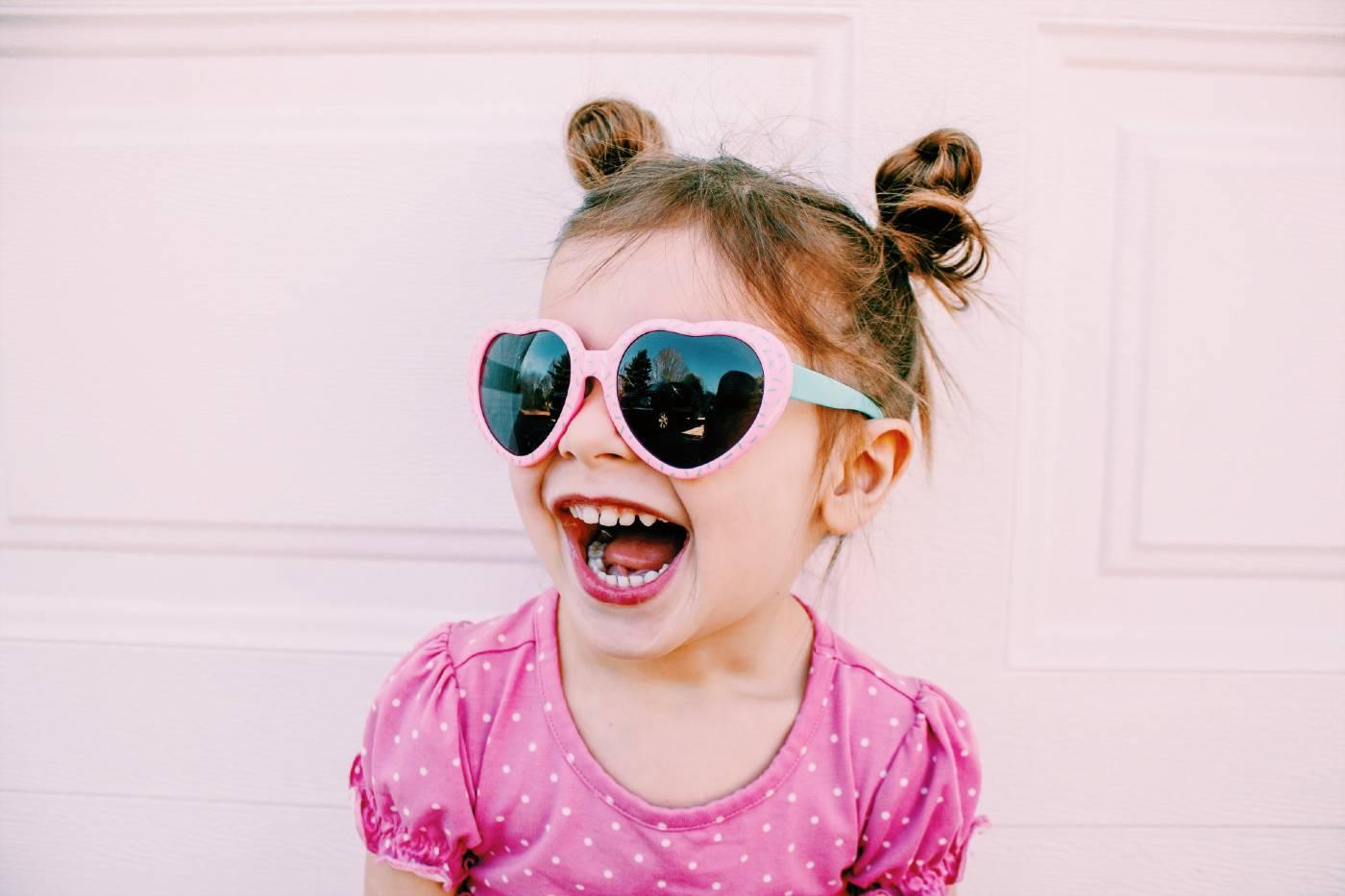
Between the “me-firsts” and “I-do-its”, it might seem like toddlers and young children are already well-versed in self-love. But the truth is, there is a big difference between being self-centered and feeling self-love. While all children are born egocentric, they need to be taught what it means to care and respect themselves and their needs.
What is self-love?
Self-love can mean something different for everyone. That is because each kiddo and each grownup is unique…right down to the many ways we take care of ourselves. But when it is all boiled down, self-love is all about accepting yourself as you are—the good, the amazing, and the grouchy, tantrum-y, and forgetful parts, too. For help getting your head around what self-love actually is, here are some actions that can translate to self-love to you and your child:
- Being nice to yourself
- Talking about yourself with love
- Forgiving yourself
- Setting healthy boundaries
- Being true to yourself
- Listening to your body
- Moving and stretching your body
- Connecting to yourself and others
Why is it important to teach children self-love?
Self-love encompasses important values like self-esteem and self-confidence that have a ripple effect throughout a child’s life. Children who feel good about themselves…
- Have confidence to try new things
- Are more likely to stand up for themselves and others
- Feel proud of what they can accomplish
- Have a growth mindset
- Are more apt to bounce back from setbacks
- Are more likely to try their best
- Are more apt to keep trying, even if they fail at first
In fact, according to the American Academy of Pediatrics, the way children perceive themselves plays a critical role in their motivation and achievements in school, their relationships, and their resilience. Plus, research has shown that folks who practice self-love can significantly improve their stress and anxiety levels and it helps to thwart self-criticism, too.
When should you teach children self-love?
While self-love slowly develops over time, it is important that you start teaching self-love to your child from the get-go! After all, self-love begins when a child feels safe, loved, and accepted…by you! Plus, research shows that by age 5, children already have a solid sense of self-esteem. So that means, time is of the essence!
How to Teach Self-Love To Toddlers
Do not worry, there are no school-like lessons here! To teach your tot all about self-love, start practicing these everyday habits…
Model self-love.
Your behavior is one of the biggest influences on your child’s ability to develop self-love, self-confidence, and self-esteem. Think of it like this: Your toddler will not be able to learn self-love if you do not show them how it is done! So please, make a point to practice self-love and self-care, so your child will mirror your behavior. Here are some ways you can model self-love in your home:
- Practice positive self-talk. While self-talk often happens in your head, start voicing your positive thoughts—like, “I can do this,” “It is okay if I make a mistake,” “If I keep trying, I will get there”—so your kiddo can hear.
- Say affirmations out loud. Here are some to consider when your day has gotten the best of you.
- Do not say negative things about yourself. Do your best to avoid using phrases like “I cannot,” “I never,” and “I always”—and all other negative talk aimed at yourself, such as “I look heavy in this,” and “That was stupid of me.” For help putting the kibosh on being mean to yourself, imagine you overheard your child saying the very same thing about themselves!
- Maintain healthy relationships. When it comes to your relationships with your family, friends, or partner, it is important for your child to see mutual respect and love.
Create and recite positive affirmations.
Affirmations are not about empty praise and self-flattery. Instead, affirmations are positive phrases or statements your child can say to themselves to combat unhelpful or negative thoughts and encourage self-love. In short, affirmations can change the way kids think for the better! The best positive affirmations for young children are short, simple, and personal to them. Some ideas…
- I am loved.
- I am unique.
- I have great ideas.
- I am confident and brave.
- My body is strong.
- I can ask for help when I need it.
- I will do great things today.
- I am a problem-solver.
- I believe in myself.
Encourage your child to recite their go-to affirmations with you every morning before the day begins—and whenever they need it. For example, if your kiddo starts to say negative things to themselves, urge them to pause, take a deep breath, and think of their special affirmation.
Foster independence.
Self-confidence is the cousin of self-love. That means, give your child oodles of opportunities to build their confidence and the self-love will follow. One way to do that is to establish some age-appropriate household chores that your toddler, little kid, or big kid can accomplish on their own. (Done with your crayons? Back in the drawer. Dirty clothes? Toss them in the hamper.) While completing tasks is a for-sure confidence boost, knowing you believe they can complete the task is a boost, too! Before you start doling out duties, remember: When children understand the reason for the chore, they are more likely to want to do it. So, instead of saying something like, “clean up your toys,’ try “Put your choo-choos in the bin so they will not get lost or broken, that way you can play with them tomorrow!” (Find out which chores are perfect for toddlers.)
Make an “I Love Me” jar.
Every day, have your tot write down—or dictate to you—something they love or appreciate about themselves…or something they are proud of. And you should do the same! (If they are feeling cranky and cannot think of anything, sharing one of their favorite positive affirmations will do the trick.) Next, put the self-love reminder in a decorated mason jar. At the end of the week, or every two weeks, or whenever a pick-me-up is needed, pull some notes to read aloud. The act of writing and reading—plus the visual and tangible reminder of the jar—will give your child just the right boost of self-love!
Read self-love books together.
Part of being a great self-love teacher is having the right tools. So, next time you visit the library—or shop for children’s books—zero in on reads that explore self-love, self-confidence, resilience, and optimism in an easy-to-understand, and easy-to-love manner. Some great picks for tots age 3 and up, include I Like Me!, Tomorrow I'll Be Brave, I Am Enough, I'm Gonna Like Me: Letting Off a Little Self-Esteem, and I'm Going to Have a Good Day!: Daily Affirmations with Scarlett. And if you have a 5- to 11-year old at home, consider Self-Love for Kids that features more than 100 fun activities to help kids develop self-love.
Teach positive self-talk this way.
Urge your kiddo to talk to themselves like they would talk to a friend. If you overhear your child, say something like “I always mess up” or “I am so stupid,” gently ask them, “I am wondering if you would ever tell Anna that she always messes up if she spilled her milk? My guess is you would never say such a thing to your best friend. Remember, you deserve the same love and respect as Anna.” Then walk your child through a more positive, loving way to speak to themselves. (“It is okay, everyone makes mistakes. Let’s clean this up.”)
Practice self-care.
Real talk: If you backburner caring for yourself physically, mentally, and spiritually, your child will learn that taking care of their own needs is selfish or a waste of time. Not good! To help break the cycle, jot down a few things that make your body, your brain, and your soul sing. Next, noodle on various actions you can take to achieve at least one thing in each category every week. (Make sure you actually enjoy these actions! No shoulds allowed.) Be sure to talk to your tot about your list, the accompanying activities, and how they make you feel. Mama is going for a walk this morning. It makes my body feel strong and the fresh air helps me feel relaxed. One you show and tell, help your kiddo cultivate their own self-care list and activities. If they are stumped, introduce them to self-care concepts, like the kid-friendly meditative Magic Breathing. (For help teaching Magic Breathing, check out SNOObie, an all-in-one white noise machine/nightlight that features two Magic Breathing tracks that lean on synchronised light and sound to show kiddo how to use this calm-down technique.)
Offer appropriate praise.
While all parents want to let their children know they are proud of them, the way in which we dole out the kudos matters. In fact, research shows that complimenting a child for their personal qualities can actually dampen their self-esteem. It is a better idea to praise the process, not the child. That means trading “You are so good at football!” for “You worked hard and did a great job following the ball down the field!” Focusing on the process encourages trying, skill-building, confidence...and self-love. Bonus: University of Chicago researchers found that toddlers who were praised for their efforts had a more positive and productive approach to challenges in childhood when compared to tots who were complimented as individuals. (More on how to praise your tot.)
***
REFERENCES
- Brain & Behavior Research Foundation: Self-Love and What It Means
- Nemours Children’s Health, KidsHealth: Your Child's Self-Esteem
- American Academy of Pediatrics: Building Blocks for Healthy Self Esteem in Kids
- Self-Compassion Interventions and Psychosocial Outcomes: a Meta-Analysis of RCTs. Mindfulness. April 2019
- Implicit measures for preschool children confirm self-esteem's role in maintaining a balanced identity. Journal of Experimental Social Psychology. January 2016
- On Feeding Those Hungry for Praise: Person Praise Backfires in Children With Low Self-Esteem. Journal of Experimental Psychology: General. 2014
- Parent Praise to 1-3 Year-Olds Predicts Children’s Motivational Frameworks 5 Years Later. Child Development. September 2014
Haftungsausschluss: Die Informationen auf unserer Website sind KEINE medizinischen Ratschläge für eine bestimmte Person oder einen bestimmten Zustand. Sie sind lediglich als allgemeine Informationen gedacht. Wenn Sie medizinische Fragen und Bedenken bezüglich Ihres Kindes oder Ihrer eigenen Gesundheit haben, wenden Sie sich bitte an Ihren Gesundheitsdienstleister. Muttermilch ist die beste Quelle der Ernährung für Babys. Es ist wichtig, dass Mütter in Vorbereitung auf das Stillen und währenddessen eine gesunde, ausgewogene Ernährung zu sich nehmen. Die Kombination von Stillen und Flaschenernährung in den ersten Lebenswochen kann die Muttermilchversorgung verringern und die Entscheidung, nicht zu stillen, ist schwer rückgängig zu machen. Wenn Sie sich entscheiden, Säuglingsnahrung zu verwenden, sollten Sie die Anweisungen sorgfältig befolgen.
Top-Nachrichten






DIESEN ARTIKEL TEILEN
ELTERN WAHL
Bestseller