TODDLER
Should I Expect My Toddler to Say, “I’m Sorry”?
Is an apology too much to ask for?

Geschrieben von
Dr. Harvey Karp
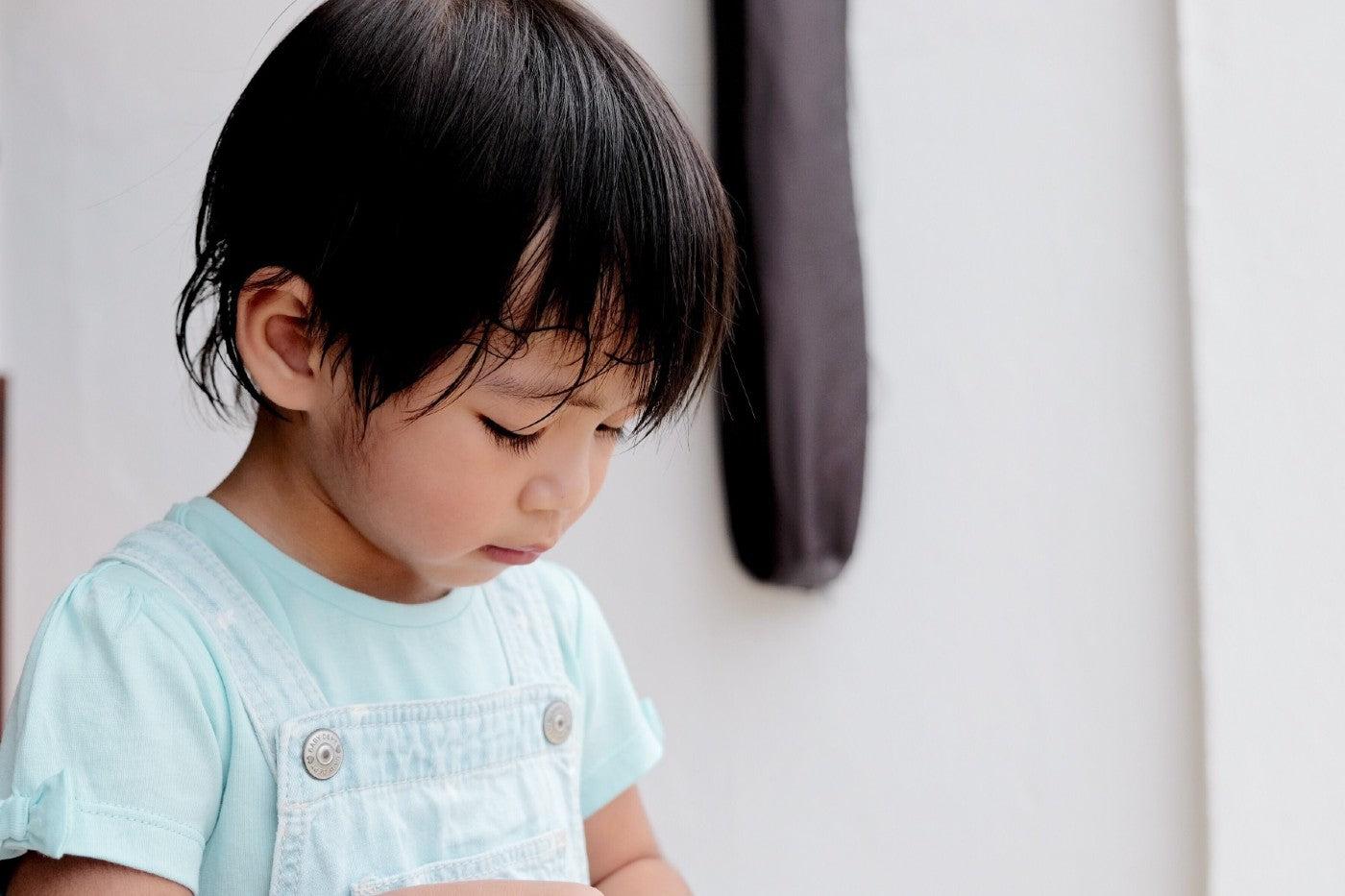
Once a tantrum has ended or a misbehaviour has stopped…should you expect your toddler to apologise?
Should Toddlers Say, 'I’m Sorry?'
All children need to be taught manners. But apologising after a misdeed may take a few years to learn. In general, quiet, shy kids learn to apologise faster than stubborn, challenging kids.
Try this instead: After your child misbehaves, ask for an apology, but do not insist on one. Making a huge issue about saying 'sorry' only invites a power struggle. (Mum: 'Say you are sorry!' Child: 'No, you cannot make me!' Mum: 'I am warning you!') You want to avoid battles you cannot win…and forcing your toddler to apologise is impossible if he really digs in his heels.
If your child shows no regret, then it may be time for a little kind ignoring. Say, 'You are still mad! You say, "No way, I do not want to say I am sorry!" Okay, sweetheart, I will check on you in a minute and see how you are feeling.'
How to Encourage Your Toddler to Apologise
Plant seeds of kindness by pointing out when other people apologise and include apologies in your fairy tales and role-playing.
If your child does apologise, do not make a big deal out of it. Simply say 'Thanks.' But, later on, gossip to his toys or Grandma about how good you feel when he says he is sorry. And praise him during your bedtime sweet talk routine.
And of course, lead by example! Parents may feel like they have to know it all or get it right the first time…but that is not real life. Like kids, adults are human, and we all make mistakes. So, the next time you lose your temper with your toddler or snap at your partner, you can show your child just how powerful those two little magic words—I’m sorry—can be by using them yourself.
Haftungsausschluss: Die Informationen auf unserer Website sind KEINE medizinischen Ratschläge für eine bestimmte Person oder einen bestimmten Zustand. Sie sind lediglich als allgemeine Informationen gedacht. Wenn Sie medizinische Fragen und Bedenken bezüglich Ihres Kindes oder Ihrer eigenen Gesundheit haben, wenden Sie sich bitte an Ihren Gesundheitsdienstleister. Muttermilch ist die beste Quelle der Ernährung für Babys. Es ist wichtig, dass Mütter in Vorbereitung auf das Stillen und währenddessen eine gesunde, ausgewogene Ernährung zu sich nehmen. Die Kombination von Stillen und Flaschenernährung in den ersten Lebenswochen kann die Muttermilchversorgung verringern und die Entscheidung, nicht zu stillen, ist schwer rückgängig zu machen. Wenn Sie sich entscheiden, Säuglingsnahrung zu verwenden, sollten Sie die Anweisungen sorgfältig befolgen.
Top-Nachrichten






DIESEN ARTIKEL TEILEN
ELTERN WAHL
Bestseller