TODDLER
The Calm After the Storm: How to Connect after a Tantrum
Emotions and learning are like oil and water…they do not mix! But here is what to say and do once your toddler calms.

Geschrieben von
Dr. Harvey Karp
Emotions and learning are like oil and water…they do not mix! That is why the moment when your toddler is struggling to escape the car seat is not the best time to give him a lecture about deaths on the highway. Even adults become more unreasonable and illogical when we are upset.
So, it should be no surprise that your toddler cannot hear you until the tidal wave of his emotions starts to subside. When your child enters caveman mode, energetically acknowledge his dismay, and then, once he calms a bit, you can try to distract him, reassure him, or solve the problem.
Here are some other things you might do and say after the storm has passed when it becomes your turn:
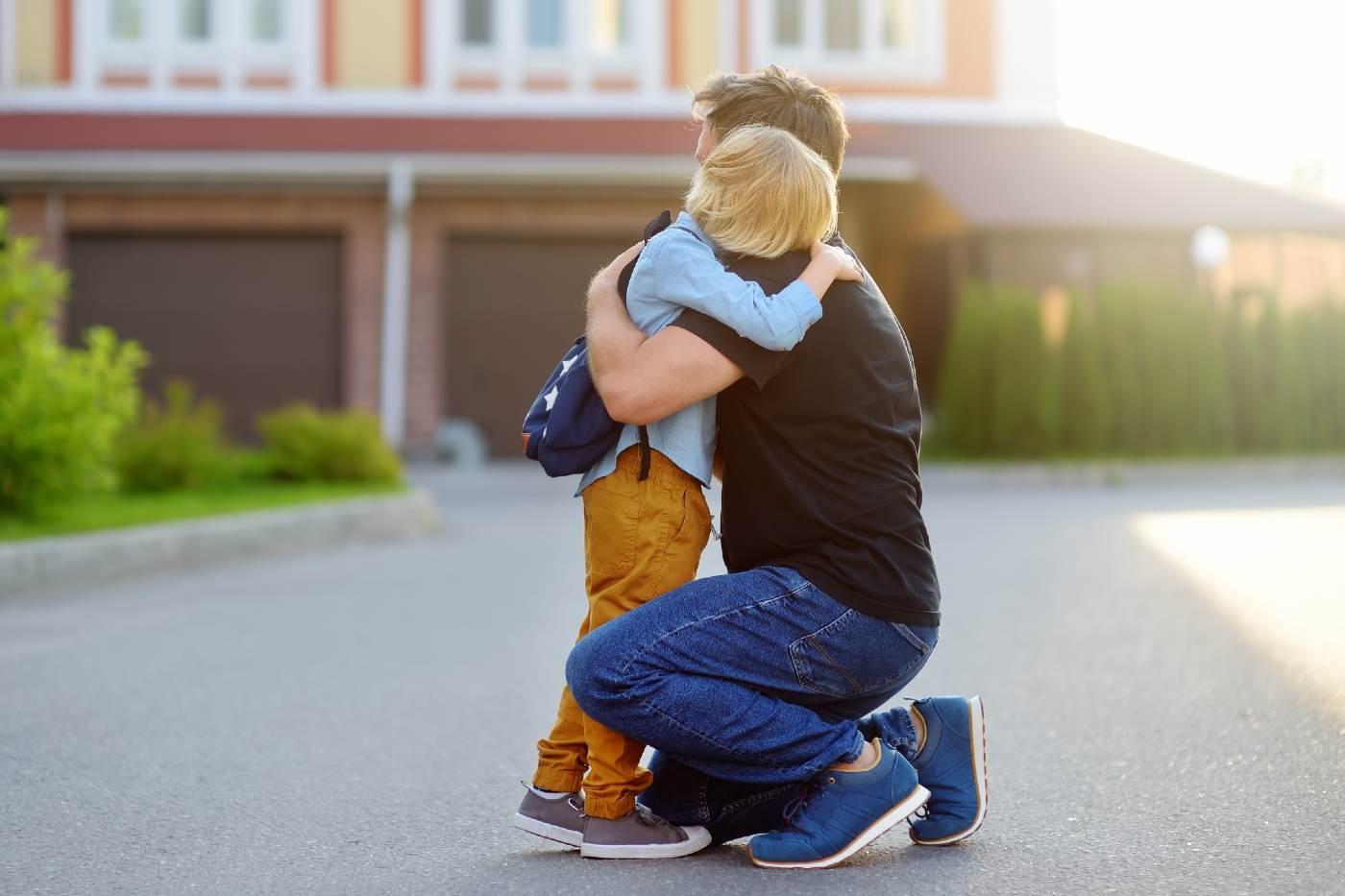
- Be physical. Offer a hug, tousle his hair, put a hand on his shoulder, or just sit quietly together.
- Whisper. Whispering is a fun way to change the subject and reconnect.
- Give options. 'We cannot have soda, but how about some yummy milk?'
- Explain your point of view…briefly. Save important lessons for a calm time, later on, when he can pay better attention.
- Teach how to express feelings. 'Make a face to show me see how sad you are,' or 'When I’m mad, I stomp my feet, like this…' (Here is more on how to teach your toddler to express their emotions.)
- Talk about how emotions feel, physically. 'You were so mad, I bet you felt like your blood was boiling!' or 'When I’m scared, my heart goes boom boom like a drum.'
- Grant your child’s wish…in fantasy. (This is one of my favourites.) 'I wish I could vroom up all the rain and we could go outside and play right now!'
- Give a 'you-I' message. Once the dust settles and it is your turn to talk, very briefly share your feelings using a 'you-I' sentence to help your toddler learn to understand the feelings of others: 'When you kick Mummy, I feel mad!' or 'When you call me "stupid," I feel very sad inside.'
Haftungsausschluss: Die Informationen auf unserer Website sind KEINE medizinischen Ratschläge für eine bestimmte Person oder einen bestimmten Zustand. Sie sind lediglich als allgemeine Informationen gedacht. Wenn Sie medizinische Fragen und Bedenken bezüglich Ihres Kindes oder Ihrer eigenen Gesundheit haben, wenden Sie sich bitte an Ihren Gesundheitsdienstleister. Muttermilch ist die beste Quelle der Ernährung für Babys. Es ist wichtig, dass Mütter in Vorbereitung auf das Stillen und währenddessen eine gesunde, ausgewogene Ernährung zu sich nehmen. Die Kombination von Stillen und Flaschenernährung in den ersten Lebenswochen kann die Muttermilchversorgung verringern und die Entscheidung, nicht zu stillen, ist schwer rückgängig zu machen. Wenn Sie sich entscheiden, Säuglingsnahrung zu verwenden, sollten Sie die Anweisungen sorgfältig befolgen.
Top-Nachrichten






DIESEN ARTIKEL TEILEN
ELTERN WAHL
Bestseller