PREGNANCY
Swollen Feet and Ankles in Pregnancy: When to Worry and How to Find Relief
Get relief for your pregnancy puffiness!

Geschrieben von
Happiest Baby Staff
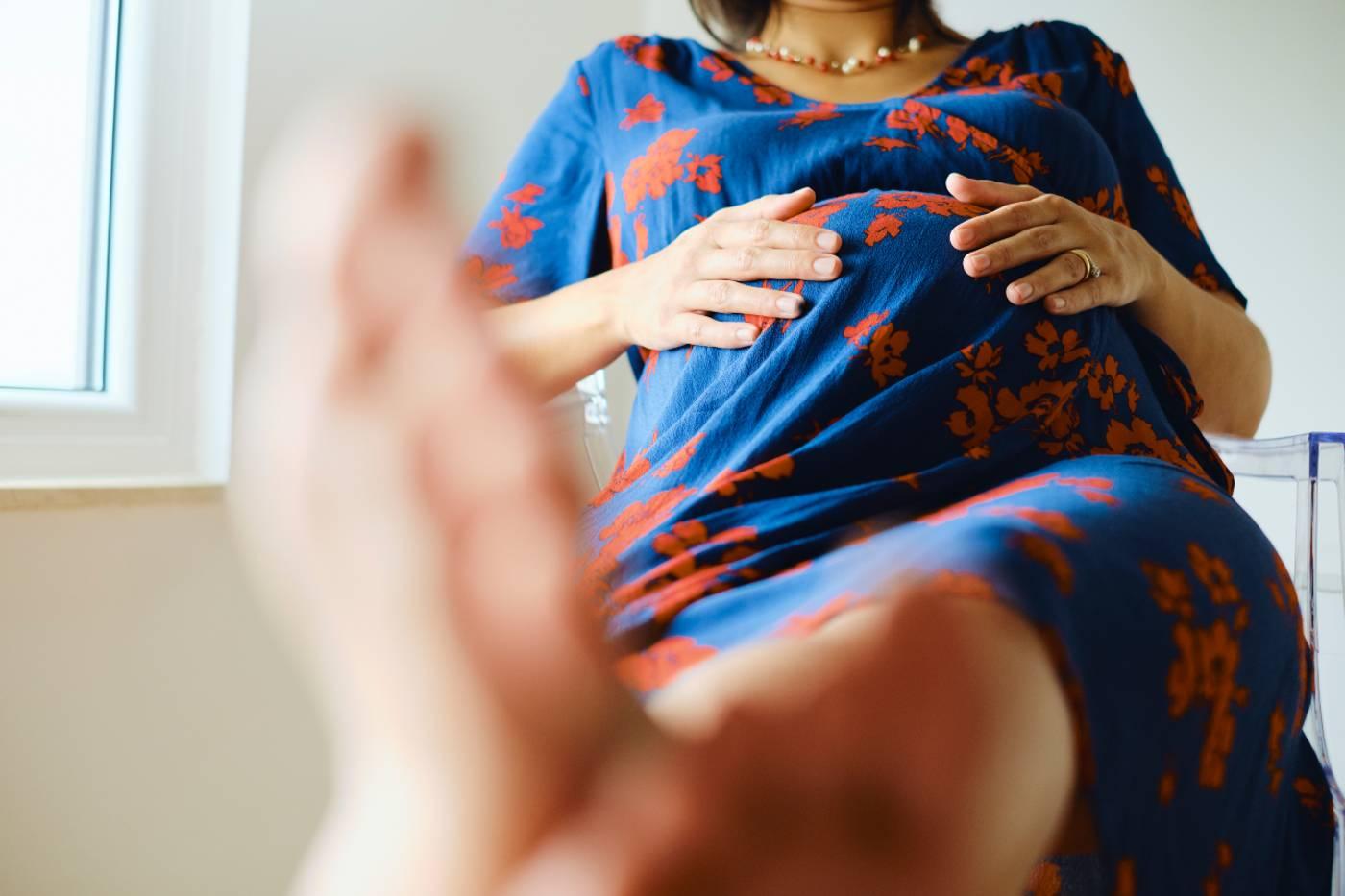
When you’re expecting, there are a few side effects that you, well, expect, like morning sickness, exhaustion, and wacky pregnancy cravings. But one common complaint that may have slipped under your radar is pregnancy swelling (aka oedema) which impacts approximately 70% of mums-to-be. Since those odds are not exactly in your favour, it’s a good idea to brush up on oedema in pregnancy, including why swelling occurs, how to reduce feet swelling during pregnancy (plus, leg, ankle, and finger swelling), and when swelling during pregnancy is cause for concern.
What is pregnancy oedema?
Pregnancy oedema is gradual swelling caused by pressure from your growing uterus, plus excess fluid trapped in your body’s tissues. It’s perfectly normal and generally not something to be overly concerned about. While swelling can affect any part of your body, you’re most likely to experience pregnancy swelling in your legs, ankles, feet, and less often, your fingers. Pregnancy swelling tends to worsen near the end of the day.
What causes swollen feet during pregnancy?
There are a few reasons most pregnant individuals are plagued with swollen ankles—and feet and legs—during their third trimester:
- Uptick in blood and fluids: During pregnancy you’re producing about 50% more blood and body fluids than usual! In fact, it’s common to have up to about 1.5 stones of extra fluid whooshing through your body during your third trimester.
- Growing uterus: As your baby-to-be grows, so does your uterus, which can put pressure on veins. That pressure slows blood flow back to your heart, causing fluid to build up in your legs, ankles, and feet.
- More hormones: Not helping matters is the fact that, during pregnancy, your adrenal glands produce more aldosterone and cortisol, two hormones that encourage your body to retain fluids.
And as if sweating during a summertime second or third trimester weren’t bad enough, those steamy temperatures can make matters worse. That’s because heat causes blood vessels to expand, allowing fluid to move out of the blood vessels and into the surrounding tissues.
When does swelling start in pregnancy?
You may begin to notice some swelling in your legs, feet, and ankles—and, at times, your fingers—as early as 20 weeks pregnant, though your chances of experiencing oedema increases as your pregnancy progresses, making the third trimester prime time for oedema.
When should swelling during pregnancy be a concern?
Pregnancy oedema can be uncomfortable, but it’s typically not something to worry about. However, there are times when swelling during pregnancy signals a bigger issue. Reach out to your care provider immediately if you notice:
- Sudden swelling in your face, hands, or feet: This is a sign of pre-eclampsia, marked by a dangerous uptick in urine proteins and blood pressure causing fluid to accumulate, resulting in the sudden swelling of your face, hands, or feet. (Studies show that 5 to 10% of pregnancy oedema are related to pre-eclampsia.)
- Fast and extreme weight gain: If your swelling results in gaining more than 48 to 80 ounces in one week, that’s another indicator of preeclampsia. Here, your damaged blood vessels are letting more water leak into—and linger—in your tissue.
- Painful swelling in only one leg: When pain, swelling, and tenderness occurs in only one leg—usually your calf—it may be a sign of deep vein thrombosis (aka a blood clot). Warm, red skin at the back of your leg is another red flag.
- Swelling plus a heart racing: Peripartum cardiomyopathy is a rare form of heart failure that occurs late pregnancy or after delivery. Beyond swollen ankles or feet, other telltales include shortness of breath, lightheadedness, cough, chest pain/tightness, and the sensation of your heart racing or skipping beats.
How to Manage Pregnancy Swelling
Just because most pregnancy swelling of the feet, ankles, and legs is nothing to worry about, doesn’t mean you need to suffer! Here are some research-backed tips on how to reduce swelling in pregnancy:
Drink lots of water.
It seems silly to drink more water to ease fluid retention, but it’s sound advice! Fluids help your body flush out the retained water, which reduces swelling. Plus, when your body feels dehydrated, it’ll try to retain even more fluid. Aim to drink 6 to 8 glasses of 200 ml of water every day.
Do some foot exercises.
Being physically active every day helps to tamp down pregnancy swelling, and gently moving your feet regularly can help reduce ankle swelling in pregnancy, specifically. Simply bend and stretch each foot up and down 30 times. Then rotate each foot in a circle eight times clockwise, and eight times counterclockwise. (Learn more safe ways to exercise during pregnancy.)
Get in the water.
If your swollen feet could talk, they’d beg for a cool bath. Immersing your puffy ankles and feet in cool (not ice cold) water constricts the small blood vessels close to your skin, which reduces swelling. (Soak for about 20 minutes a few times a week.) At the same time, standing or walking in a pool up to your neck appears to help compress tissues in the legs, offering temporary relief from pregnancy swelling.
Try a salty compress.
While cool water is ideal for a de-puffing soak, lukewarm water—plus Epsom salt—may be a good idea for a soothing compress. (Epson salt is a mix of magnesium and sulfate.) A 2021 study in the Journal of Clinical and Diagnostic Research found that dipping a flannel into a mix of about 250 ml of Epsom salt to a roughly 1 and three-fourths pints of lukewarm water—and applying for 20 minutes over the feet daily for three days—worked wonders for decreasing ankle and foot swelling.
Sleep on your left side.
This improves blood flow by taking pressure off the inferior vena cava—the big vein responsible for returning blood from your lower half to your heart. Learn more sleep-better, sleep-safer tips for pregnancy.
Elevate the right way.
Don’t just sprawl on the sofa after a long day. To reduce ankle and foot swelling in pregnancy, elevate your legs above your heart. This’ll decrease pressure on your veins. Shoot for a few 15- to 20-minute elevation sessions throughout your day. PS: Since elevating your legs will send all that fluid through your kidneys to be filtered, don’t wait until bedtime to start elevating!
Try compression stockings.
While they’re not the cutest legwear, compression stockings (aka maternity support stockings) could be your puffy feet and ankles’ new BFF. A pair that goes to your waist gently squeezes your lower half, increasing blood flow from your feet and legs back to your heart, which tamps swelling down. Slide them on before you even get out of bed in the morning for max benefit. But if these newfangled tights are unappealing, you can try wearing 15 to 20mmHG compression socks that end at your knee. Bonus: Compression socks can also help prevent varicose veins, another common pregnancy side effect. (While on the topic of socks, know that socks or stockings with tight bands on the ankles or calves worsen feet swelling in pregnancy.)
Cut back on certain foods.
Take a gander in your refrigerator and pantry. Processed foods (crisps, pre-packaged snacks, lunch meats, canned goods), items high in salt, caffeine, and excess sugars (white carb, candy, table sugar, fizzy drinks) cause your body to retain water, increasing your chance of swelling. Consider swapping them for healthier ways to satisfy your cravings.
Stock up on foods that reduce swelling.
Lean into lean meats, like turkey, chicken, and fish—protein helps balance the amount of fluid in your tissues! Then add some potassium-rich bananas, sweet potatoes, avocado, and kidney beans into the mix. They’re thought to reduce swelling, too.
Set aside 10-minute sit-downs.
Staying off your feet for long stretches is one of the best things you can do to reduce pregnancy swelling in your feet and ankles, and avoid swelling, too. If you need to be on your feet for long stretches, schedule a break every couple hours so you can sit with your feet up for 10 minutes. This’ll help gravity pull fluids from your legs, ankles, and feet back into your circulatory system.
When should I be worried about postpartum swelling?
Swelling is fairly common after delivery and is often related to labour medicines and lingering pregnancy oedema. It’ll take a week or two for your body to gradually get rid of the fluid you accumulated during pregnancy and birth. But postnatal swelling that’s accompanied by chest pain or trouble breathing could be a sign of something more serious. Call your care provider immediately.
Haftungsausschluss: Die Informationen auf unserer Website sind KEINE medizinischen Ratschläge für eine bestimmte Person oder einen bestimmten Zustand. Sie sind lediglich als allgemeine Informationen gedacht. Wenn Sie medizinische Fragen und Bedenken bezüglich Ihres Kindes oder Ihrer eigenen Gesundheit haben, wenden Sie sich bitte an Ihren Gesundheitsdienstleister. Muttermilch ist die beste Quelle der Ernährung für Babys. Es ist wichtig, dass Mütter in Vorbereitung auf das Stillen und währenddessen eine gesunde, ausgewogene Ernährung zu sich nehmen. Die Kombination von Stillen und Flaschenernährung in den ersten Lebenswochen kann die Muttermilchversorgung verringern und die Entscheidung, nicht zu stillen, ist schwer rückgängig zu machen. Wenn Sie sich entscheiden, Säuglingsnahrung zu verwenden, sollten Sie die Anweisungen sorgfältig befolgen.
Top-Nachrichten






DIESEN ARTIKEL TEILEN
ELTERN WAHL
Bestseller