PREGNANCY
How to Cope With Constipation During Pregnancy
Here’s why uncomfy backups happen—and how to get some relief.

Geschrieben von
Happiest Baby Staff
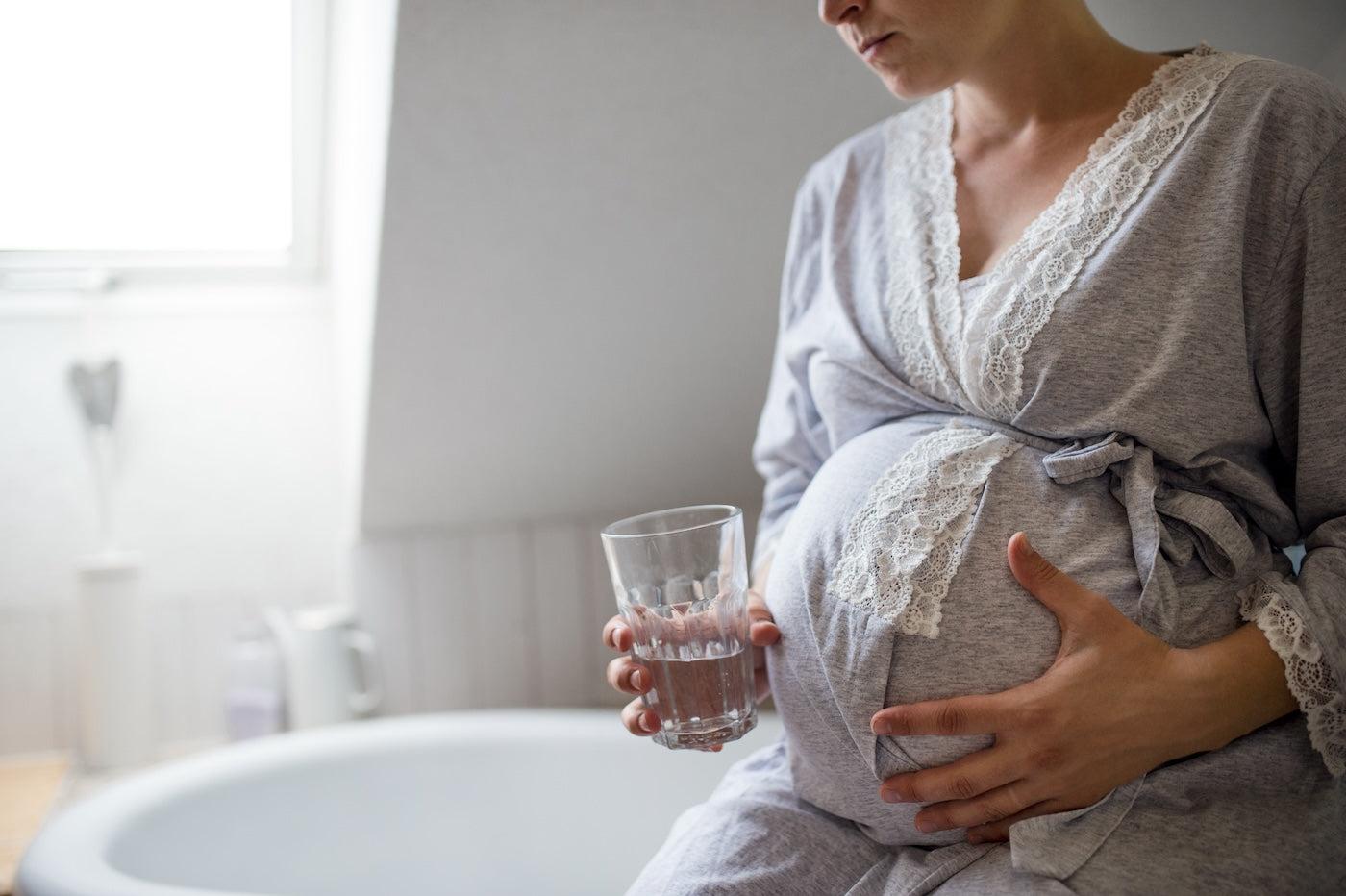
With nappy changes on the horizon, you’re going to have to get really comfortable with No. 2 talk soon. So, why not start now with a common—but unwelcome—pregnancy symptom: constipation.
Constipation affects 11% to 40% of pregnant people, with the highest rates reported in the second and third trimesters. It can be uncomfortable and sometimes even painful, but there are safe, effective strategies to get things moving again. Here’s what causes constipation during pregnancy, and what evidence-based steps can help you find relief.
What Causes Constipation in Pregnancy
There are a host of body changes that create the perfect storm that is pregnancy constipation. Causes of pregnancy constipation include:
- Hormonal changes: Progesterone levels rise during pregnancy to relax smooth muscle and support the womb. This same effect also slows the muscle contractions in your intestines, meaning food moves more slowly through your digestive system.
- Physical pressure: As the uterus grows, it can compress the intestines and rectum, making it more difficult for poo to pass.
- Dietary and lifestyle factors: Lower activity levels, dehydration, and changes in diet can slow digestion. Iron supplements—important for preventing anaemia—can also harden stools.
Pregnancy Constipation Symptoms
Constipation is one of those ailments that you kind of know if you’ve got it. But what’s the line between being a bit backed up and officially constipated? Constipation is typically defined as having fewer than three bowel movements per week, often accompanied by:
- Hard, lumpy, or dry stools
- Straining
- Feeling of incomplete emptying
- Tummy discomfort or bloating
- Haemorrhoids caused or worsened by straining
If these symptoms are severe, persistent, or accompanied by bleeding, contact your doctor or midwife right away!
How to Relieve Pregnancy Constipation
As far as uncomfortable pregnancy symptoms go, constipation does have a fairly clear path to relief. There are a few reliable ways to get your gut moving again:
- Increase fibre intake gradually. Aim for about 25 grams per day from fruit, vegetables, whole grains, legumes, nuts, and seeds. Increase slowly to avoid wind or bloating.
- Drink plenty of fluids. Hydration is extra important during pregnancy (you are drinking for two after all!). Along with all of water’s other benefits, adequate fluid intake helps fibre work effectively to soften stools. Aim for about 8 to 12 cups a day, but have more on hot days or when you’re active.
- Stay active. Moderate activity—such as walking, swimming, or prenatal yoga—stimulates digestion. Experts recommend 150 minutes of moderate-intensity exercise per week during pregnancy, as long as it feels comfortable.
- Practice good loo habits. Go as soon as you feel the urge, and try sitting on the toilet about 15 to 20 minutes after meals to take advantage of your body’s natural gastrocolic reflex. Another tool: a stool! Placing a small footstool at the base of your toilet will raise your knees above hip level, which is an ideal poo position. Lean forward, relax your tummy muscles, and (hopefully) let it go!
- Consider fibre supplements. If dietary fibre isn’t enough, bulk-forming supplements such as psyllium or methylcellulose can be helpful and are generally safe during pregnancy.
- Use stool softeners if needed. Docusate sodium is minimally absorbed and generally considered safe during pregnancy for short-term use (but always chat with your healthcare provider before starting new medication during pregnancy!).
- Try laxatives as a last resort. If nothing else is working, osmotic laxatives (like polyethylene glycol, often sold as Movicol) or stimulant laxatives (like senna) can be used short-term. But avoid using mineral oil—it can interfere with nutrient absorption.
Final Thoughts
Constipation in pregnancy is common, but with the right mix of dietary tweaks, hydration, gentle activity, and, if necessary, safe medication, you can nudge your bowels back into gear. Work with your healthcare provider to find the best plan for you!
Haftungsausschluss: Die Informationen auf unserer Website sind KEINE medizinischen Ratschläge für eine bestimmte Person oder einen bestimmten Zustand. Sie sind lediglich als allgemeine Informationen gedacht. Wenn Sie medizinische Fragen und Bedenken bezüglich Ihres Kindes oder Ihrer eigenen Gesundheit haben, wenden Sie sich bitte an Ihren Gesundheitsdienstleister. Muttermilch ist die beste Quelle der Ernährung für Babys. Es ist wichtig, dass Mütter in Vorbereitung auf das Stillen und währenddessen eine gesunde, ausgewogene Ernährung zu sich nehmen. Die Kombination von Stillen und Flaschenernährung in den ersten Lebenswochen kann die Muttermilchversorgung verringern und die Entscheidung, nicht zu stillen, ist schwer rückgängig zu machen. Wenn Sie sich entscheiden, Säuglingsnahrung zu verwenden, sollten Sie die Anweisungen sorgfältig befolgen.
Top-Nachrichten






DIESEN ARTIKEL TEILEN
ELTERN WAHL
Bestseller