PARENTS
It Is True—New-Parent Sleep Loss Can Age You!
Postpartum sleep deprivation could have lasting effects on mums’ physical health, according to a UCLA study.

Geschrieben von
Happiest Baby Staff
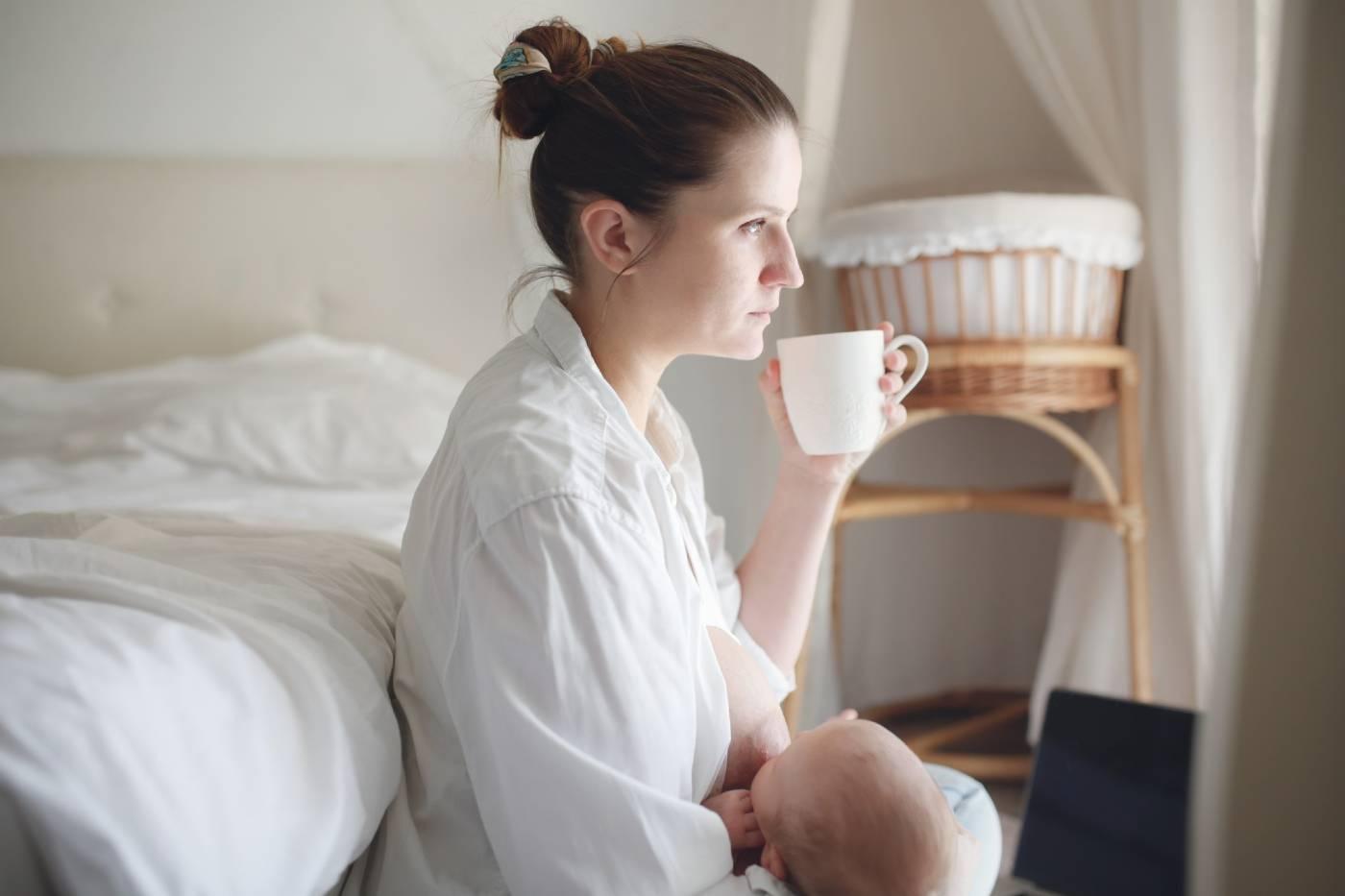
You probably feel like motherhood is rapidly aging you...and researchers have recently found that it actually is!
A new study in the journal Sleep Health, discovered that sleep-deprived new mums tack as many as seven years onto their 'biological age.' Unlike chronological age, biological age (also called physiological or functional age) indicates how old you are based on your DNA. That means, if you had your baby at 33 years old, by the time your precious nugget turns 1, your body could be that of a 40-year-old!
For this study, UCLA researchers tracked 30+ women from pregnancy to Baby’s first birthday. They monitored sleep and took blood samples to examine something called telomeres, which are wee pieces of DNA that act like protective caps at the tips of chromosomes.
What they found: More than half of the new mums studied were getting less than seven hours of sleep at both six months and one year after welcoming their sweet bundles into the world. And, those sleep-sapped mums also had shorter telomeres than those who slept longer, which could have a lasting effect on mums’ physical health, elevating their risk of numerous age-related ills, including certain cancers and cardiovascular disease.
In the UCLA press release on the study, lead researcher Judith Carroll, Ph.D., urged new parents to take advantage of opportunities to get more ZZ’s, noting that 'taking care of your sleep needs will help you and your baby in the long run.'
The good news? Taking care of baby’s sleep needs and parents’ sleep needs at the same time is possible with the paediatrician-designed and award-winning SNOO Smart Sleeper, which has been shown to aid sleep at night, helping both parents and babies stay well-rested. Learn more about the science behind the SNOO.
Haftungsausschluss: Die Informationen auf unserer Website sind KEINE medizinischen Ratschläge für eine bestimmte Person oder einen bestimmten Zustand. Sie sind lediglich als allgemeine Informationen gedacht. Wenn Sie medizinische Fragen und Bedenken bezüglich Ihres Kindes oder Ihrer eigenen Gesundheit haben, wenden Sie sich bitte an Ihren Gesundheitsdienstleister. Muttermilch ist die beste Quelle der Ernährung für Babys. Es ist wichtig, dass Mütter in Vorbereitung auf das Stillen und währenddessen eine gesunde, ausgewogene Ernährung zu sich nehmen. Die Kombination von Stillen und Flaschenernährung in den ersten Lebenswochen kann die Muttermilchversorgung verringern und die Entscheidung, nicht zu stillen, ist schwer rückgängig zu machen. Wenn Sie sich entscheiden, Säuglingsnahrung zu verwenden, sollten Sie die Anweisungen sorgfältig befolgen.
Top-Nachrichten






DIESEN ARTIKEL TEILEN
ELTERN WAHL
Bestseller