PARENTS
Postpartum Depression: The Top Triggers
Advice for new moms to fight PPD.

Geschrieben von
Dr. Harvey Karp

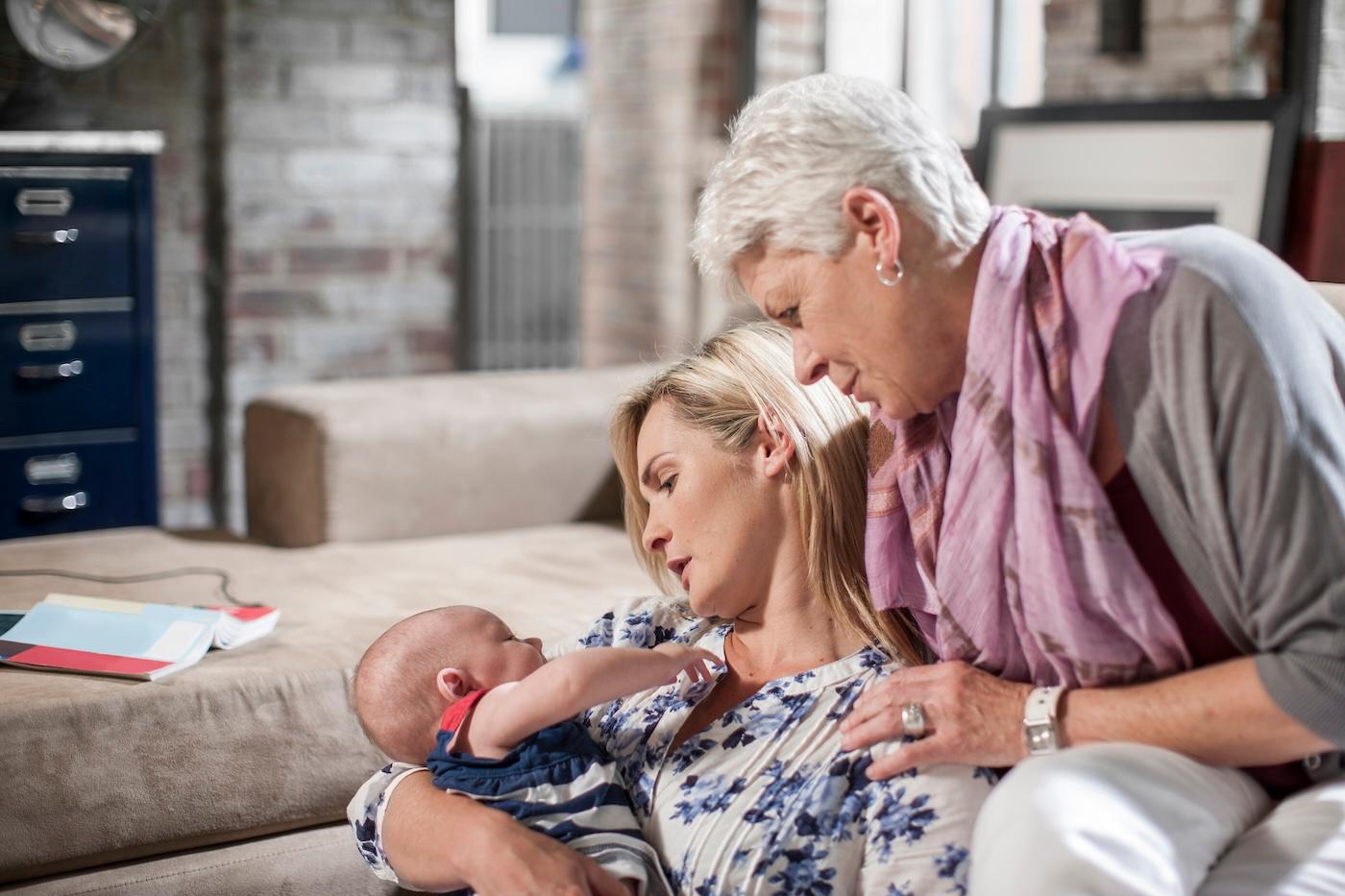
I waited to become a mother until I was 37, and I felt totally ready and excited. That’s why I was so disappointed in myself when, a few weeks after my beautiful baby was born, I felt more fear and agitation than excitement. I felt inadequate, like an imposter.” - Loretta, on postpartum depression
Studies show 15-40% of all new moms develop postpartum depression. That makes PPD a national epidemic!
Some aspects of the condition may surprise you:
- There’s no conclusion that PPD is caused by hormonal shifts.
- PPD can start right after birth or come on months later.
- The main feelings are often anxiety, fear and intrusive thoughts.
- 50% of men whose partners get PPD experience depression, too.
Most moms get just a mild case of the “baby blues,” but others become deeply depressed (and a few even develop psychosis). Being exhausted and hearing your baby’s screams may trigger a flood of painful memories (like being yelled at in anger or ridiculed). And it’s not uncommon for old feelings of shame and rage to burst back to the surface during this time. If you are feeling overwhelmed and think you might be depressed, don’t hesitate call your doctor.
The best ways to keep PPD at bay? Address the 3 biggest triggers:
- Persistent crying
- Exhaustion
- Unsupportive partners
A cool thing? The 5 S’s work on all 3 triggers directly: They calm a baby’s cries, help parents get more sleep and can be just the thing to engage an unsupportive spouse.Never forget that you need help—and deserve it! Ask a neighbor or friend to pick up dry-cleaning or walk the dog so you have less on your plate. Use technology…like Happiest Baby’s SNOO Smart Sleeper to give your whole family more rest. Hire a nanny, doula or night nurse for support around the house. Bottom line: Do what feels right to you, but don’t brave it alone. You need it—and deserve it!
Haftungsausschluss: Die Informationen auf unserer Website sind KEINE medizinischen Ratschläge für eine bestimmte Person oder einen bestimmten Zustand. Sie sind lediglich als allgemeine Informationen gedacht. Wenn Sie medizinische Fragen und Bedenken bezüglich Ihres Kindes oder Ihrer eigenen Gesundheit haben, wenden Sie sich bitte an Ihren Gesundheitsdienstleister. Muttermilch ist die beste Quelle der Ernährung für Babys. Es ist wichtig, dass Mütter in Vorbereitung auf das Stillen und währenddessen eine gesunde, ausgewogene Ernährung zu sich nehmen. Die Kombination von Stillen und Flaschenernährung in den ersten Lebenswochen kann die Muttermilchversorgung verringern und die Entscheidung, nicht zu stillen, ist schwer rückgängig zu machen. Wenn Sie sich entscheiden, Säuglingsnahrung zu verwenden, sollten Sie die Anweisungen sorgfältig befolgen.
Top-Nachrichten






DIESEN ARTIKEL TEILEN
ELTERN WAHL
Bestseller