PARENTS
What Is Your Parenting Style?
These are the six main styles.

Geschrieben von
Happiest Baby Staff
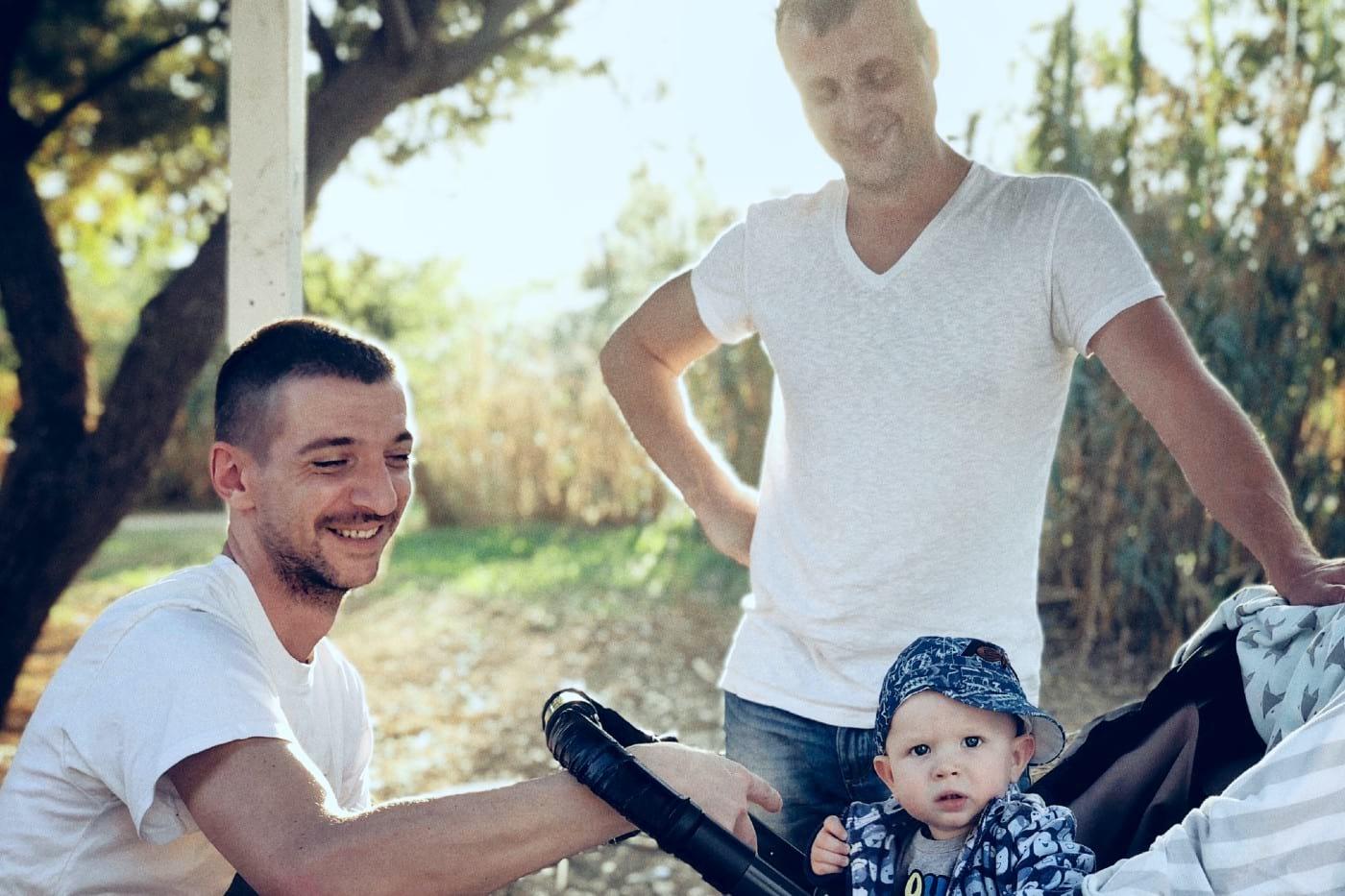
As a parent, your approach to how you raise your kids is going to be as unique as you are. Still, it is hard not to look at other parents and wonder, Is my way the right way? And chances are, as distinct as your style might be, it probably shares traits in common with other methods.
Researchers have pinpointed four traditional parenting styles: Authoritative, authoritarian, permissive, and uninvolved. And then there are two others—attachment, and free-range parenting—that have more recently 'entered the chat”.' So where do you fit in? Read to learn about the primary parenting styles.
Authoritative Parenting
We will open with what is considered by experts to be the healthiest parenting style. Authoritative parents strike a balance between having firm boundaries and supporting and encouraging with their kids.
In action, authoritative parenting may look like having family meetings to discuss an issue and welcoming input from everyone. It uses natural consequences versus punishments—so instead of getting a time out for not wearing a jacket, a child who refuses to bundle up simply has to deal with being cold. It is creating a sleeping schedule while acknowledging the need for being flexible on bedtime. Rules are enforced, but parents are open to explaining the reasons for these rules and validating their child's feelings.
According to research, children with authoritative parents do well emotionally and socially, and have secure attachments with their main caretaker. They tend to be cooperative with their peers and people in authority.
Authoritarian Parenting
This is the parenting style that rules with a so-called iron fist. Authoritarian parents tend to set up strict rules with strict punishments. This can be in the form of unrealistic expectations such as early potty training or making a child eat everything on their plate when they do not want to. 'What I say goes,' is the mantra. Children do not get a say, because the adult is the one in charge.
Teaching kids to follow rules is, of course, a good thing. These kids tend to be less impulsive because they think things through before they act on them. However, it might push them to think they need to be perfect otherwise there will be consequences. They might start withdrawing and internalising their emotions since they do not get much opportunity to have a say.
Permissive Parenting
Being a permissive parent does not mean you are totally neglectful. These parents still care for their children, but there is a lack of limit-setting and a tendency to allow behaviour issues in their kids. They might give in quickly when their kid has a tantrum, or do not give consequences when rules are broken. It can seem like they are closer to a friend to their child than someone in a place of authority.
Kids of permissive parents tend to struggle in school, as well as with social and emotional skills. They might challenge authority figures and rules and be more impulsive and aggressive. But on the positive side, they can grow up to speak their minds and are not easily swayed by others.
Uninvolved Parenting
Uninvolved parents are just that: They are not really present in their children's lives. These parents cannot or will not provide for their child's basics needs and these children are expected to care for themselves. This might mean not protecting young kids from safety hazards in the home, not providing adequate food, or skipping routine checkups. Kids can struggle with self-esteem and might have behaviour problems in school, as well as have a higher risk for accidents or injury.
Of course, not all of these parents are intentionally neglecting their children. Sometimes mental health conditions, substance abuse, or feelings of overwhelm can be a roadblock for successful parenting. Work hours or conditions, income, and running a household can all be overwhelming, and sometimes these parents need some extra support.
Attachment Parenting
This style comes from the attachment theory that babies need to be physically close to their main caregiver during the first few years of life to develop a secure bond.
Breastfeeding on demand, baby-wearing, using positive discipline, and quickly responding to a baby's cries are all examples of practicing attachment parenting. Many of the principles of attachment parenting are things parents do without even realising it.
According to research, babies who have attachment parents have lower stress levels and therefore become more resilient and emotionally and mentally healthier as they grow.
One drawback of this style is the exhaustion that can come from the pressure of continuously committing all their time and energy to their children. Parents need to focus on their own self-care and be aware of feelings of overwhelm when it comes to attachment parenting.
Free-Range Parenting
This type of parenting style is similar to permissive parenting, but free-range parents support independence in their children. It does not mean kids are allowed to run wild but instead lets children do things on their own, with expectations in place. So, these children—even very young ones—are allowed to explore their surroundings as long as they are safe. It might mean letting kids play outside without supervision or stay home alone as a preteen.
Each of these styles approaches parenting differently and you may find yourself using several at once, or using one style for one situation and another for a different one. It is important to know this is perfectly normal. Many parents practice different styles without even knowing it! As long as your kids are loved and cared for, there is not one perfect way to parent.
Haftungsausschluss: Die Informationen auf unserer Website sind KEINE medizinischen Ratschläge für eine bestimmte Person oder einen bestimmten Zustand. Sie sind lediglich als allgemeine Informationen gedacht. Wenn Sie medizinische Fragen und Bedenken bezüglich Ihres Kindes oder Ihrer eigenen Gesundheit haben, wenden Sie sich bitte an Ihren Gesundheitsdienstleister. Muttermilch ist die beste Quelle der Ernährung für Babys. Es ist wichtig, dass Mütter in Vorbereitung auf das Stillen und währenddessen eine gesunde, ausgewogene Ernährung zu sich nehmen. Die Kombination von Stillen und Flaschenernährung in den ersten Lebenswochen kann die Muttermilchversorgung verringern und die Entscheidung, nicht zu stillen, ist schwer rückgängig zu machen. Wenn Sie sich entscheiden, Säuglingsnahrung zu verwenden, sollten Sie die Anweisungen sorgfältig befolgen.
Top-Nachrichten






DIESEN ARTIKEL TEILEN
ELTERN WAHL
Bestseller