BABY
9 Ways to Level Up Storytime With Your Baby
Reading is a crucial part of your baby’s development. Here is how to make it a memorable ritual for both of you!

Geschrieben von
Happiest Baby Staff
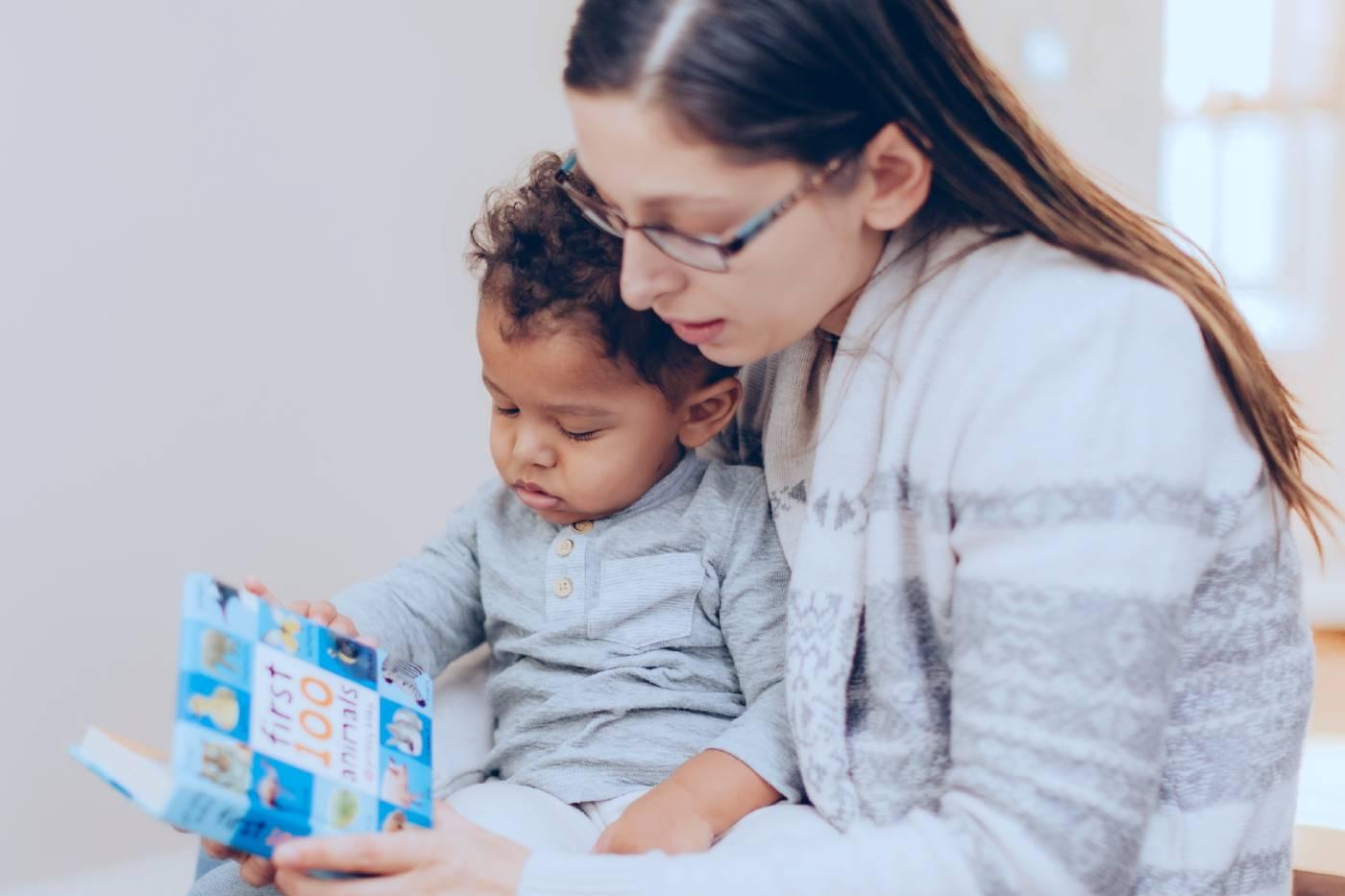
One of the most rewarding parts of parenting is giving your child the tools to develop a deep love for reading. Not only can reading help your baby develop pre-literacy skills that will set them up for early academic success, but you will unlock their imagination and introduce them to a limitless world full of possibilities. What could be better than that?
In one fascinating study conducted in 1995, researchers showed that kids who are read to as babies have heard 30 million more words than kids who have not been exposed to books by the time they entered third grade. This difference in exposure to language led to bigger vocabularies and stronger literacy skills. Even more important, talking to kids about what they have read—including what problems and emotions are presented in a story—leads to kids with better emotional intelligence. So, basically, reading rocks!
To establish a reading practice in your home, try these tips with your bub!
Start with your favourites.
Did you have some childhood stories that stuck with you? Seek out familiar, beloved books from your own wonder years and start with those. Your baby will notice if you love a story, and it will entice them to fall for it too.
Let your baby turn the pages.
Get your baby involved with the story by letting them turn the pages. This helps them understand that each page has words that you read and when you are finished, you move on to the next page.
Sing, sing, and…sing some more.
Sure, not all books are meant to be sung, but then again...why not try? Babies love to be sung to, and by turning a story into a catchy little ditty, you can help pique your baby’s interest in books (no vocal chops required!)
Point out the pictures.
We love books like Goodnight Moon by Margaret Wise Brown because they give babies the chance to show what they know. Ask your baby to find the different objects in the story like the red balloon or the cow jumping over the moon. This helps them to learn that the words connect to the pictures.
Choose a regular time to read.
Babies and kids thrive on predictable routines. Choose a time when your child is quiet and ready to be read to—like before bed or after lunch, for example—and stick with it. This builds an expectation—and anticipation—for your family reading ritual.
Read in silence.
Reduce as much noise and distraction as possible before reading time. Turn off the telly and your phone, and any other gadgets that can interrupt. This signals to your baby that reading time is special.
Create a reading nook.
Consider setting up a cosy reading nook in your home. Maybe it is a particular rocking chair, or a pillow fort, or even a pop-up tent with cosy blankets and stuffed animals. Giving your child a designated place to read makes the storytime ritual even more special.
Visit your local library.
You know who loves to read? Your local librarian. Check out your local library and see what kinds of children's programming they have and what new books they recommend. Open an account and once your child is old enough, give them the opportunity to pick out books to take home and read (kids love getting to make choices!). Developing a relationship with your local librarians is a wonderful way to connect to your community too.
Do nott forget to have fun!
Try reading in silly voices for different characters. Make a snack based on a story your child loves. Put on a puppet show and act out the story with a pair of old socks and some googly eyes. Above all, reading should be seen as fun—and not as a chore!
Reading Recommendations:
- The Best Books for Baby's First Year
- Bedtime Books to Lull Your Little One to Sleep
- The Best Kids' Books About Friendship
Haftungsausschluss: Die Informationen auf unserer Website sind KEINE medizinischen Ratschläge für eine bestimmte Person oder einen bestimmten Zustand. Sie sind lediglich als allgemeine Informationen gedacht. Wenn Sie medizinische Fragen und Bedenken bezüglich Ihres Kindes oder Ihrer eigenen Gesundheit haben, wenden Sie sich bitte an Ihren Gesundheitsdienstleister. Muttermilch ist die beste Quelle der Ernährung für Babys. Es ist wichtig, dass Mütter in Vorbereitung auf das Stillen und währenddessen eine gesunde, ausgewogene Ernährung zu sich nehmen. Die Kombination von Stillen und Flaschenernährung in den ersten Lebenswochen kann die Muttermilchversorgung verringern und die Entscheidung, nicht zu stillen, ist schwer rückgängig zu machen. Wenn Sie sich entscheiden, Säuglingsnahrung zu verwenden, sollten Sie die Anweisungen sorgfältig befolgen.
Top-Nachrichten






DIESEN ARTIKEL TEILEN
ELTERN WAHL
Bestseller