PREGNANCY
Pregnancy Bloating: What’s Normal—and What Helps
Too tight waistband? Welcome to pregnancy bloating. Here's how to cope!
Written by
Happiest Baby Staff
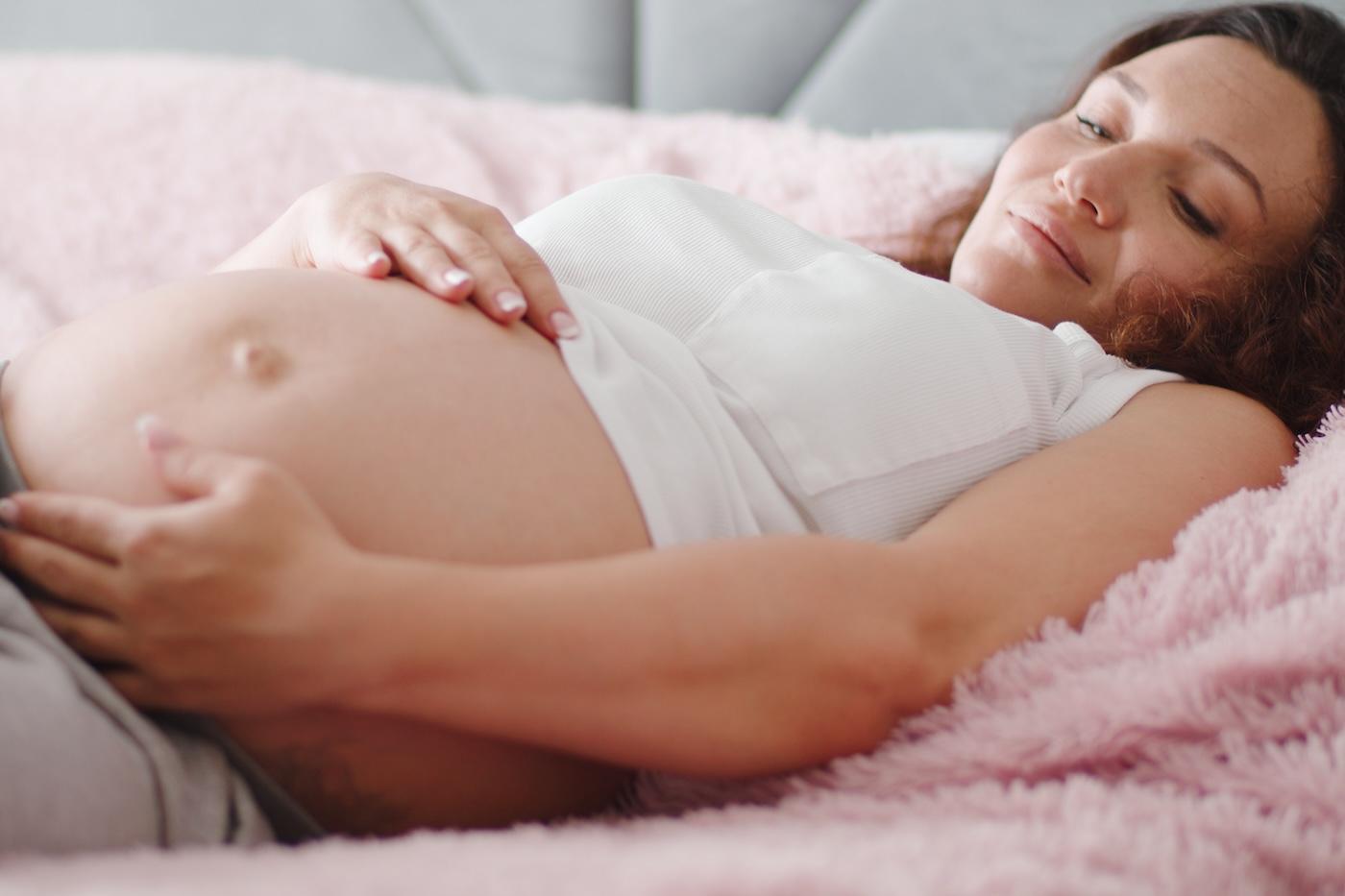
That too-tight waistband? The sudden need to unbutton your jeans at 10am? Welcome to pregnancy bloating. This surprisingly common (and often uncomfortable) pregnancy symptom can strike early and last well into the third trimester. Here’s what causes bloating during pregnancy, when to be concerned, and how to get relief.
What causes bloating in pregnancy?
Bloating in pregnancy is primarily the result of rising hormone levels and your growing uterus. While bloating is a normal part of pregnancy, it’s not pleasant! There are a few ways your body’s conspiring to make a balloon of your midsection, including…
Hormonal Shifts (Thanks, Progesterone!)
Early in pregnancy, your body produces more progesterone, a hormone that plays a key role in relaxing the uterine muscles to support a healthy pregnancy. But that same relaxing effect happens in your digestive tract, slowing everything down. This sluggish digestion can lead to a build-up of gas, which gets trapped and causes that swollen, puffy feeling known as bloating.
Slowed Digestion
Progesterone isn’t the only culprit. During pregnancy, the entire digestive system slows down to help absorb more nutrients for your growing baby. While beneficial, this slowdown can also mean more constipation, which often goes hand-in-hand with bloating.
Uterine Growth and Pressure
As your uterus expands, it starts to put pressure on the intestines and stomach, further slowing digestion and pushing gas upwards. This can make you feel bloated or even burp more frequently.
When does pregnancy bloating start?
Bloating can begin as early as the first few weeks of pregnancy—sometimes even before you’ve taken a pregnancy test. For many expecting parents, it continues on and off throughout pregnancy. In the second and third trimesters, bloating may become more noticeable due to the increasing size of the uterus and additional pressure on your gastrointestinal system.
What does pregnancy bloating feel like?
While bloating can vary from person to person, common sensations include:
- A tight, full, or swollen abdomen
- Mild abdominal cramping
- Frequent gas or burping
- Feeling like your stomach is “stretched” or distended
- Some people describe it as feeling “puffed up” or like their belly is “inflated with air.”
How to Relieve Bloating During Pregnancy
Bloating might be common, but that doesn’t mean you have to suffer through it. Here are research-backed, Obstetrician-Gynaecologist-approved ways to minimize pregnancy bloating and feel more comfortable.
Eat small, frequent meals.
Consider swapping your three big meals for five to six smaller meals throughout the day. This can help ease digestion and reduce the likelihood of gas build-up.
Avoid gas-producing foods.
Some foods—especially high-fiber ones—can trigger more gas and bloating. If pregnancy bloating is becoming uncomfortable, you may want to try cutting down on beans and lentils, cruciferous vegetables (like broccoli, cauliflower, and cabbage), carbonated drinks, and artificial sweeteners (like sorbitol and xylitol). However, fiber is essential during pregnancy to prevent constipation, so don’t cut it completely—just go easy on known triggers and drink plenty of water to help fiber do its job.
Stay hydrated.
Speaking of water: Aim for 8 to 12 cups of fluids per day. Staying hydrated during pregnancy helps keep your digestive system moving, reduces constipation, and can lessen bloating.
Move your body.
Gentle activity like walking, swimming, or antenatal yoga can aid digestion and reduce bloating. Even a 10-minute walk after meals can make a difference. Always check with your doctor before starting or continuing an exercise routine during pregnancy.
Keep excess air out of your belly.
How you eat can be just as important as what you eat. To prevent swallowing excess air (which contributes to bloating), try:
- Eating slowly and chewing thoroughly
- Avoiding straws and chewing gum
- Skipping carbonated beverages
Ask your doctor about probiotics.
There’s some evidence that probiotics may help regulate digestion and reduce bloating and constipation in pregnancy. While not a cure-all, they might offer some benefit—ask your OBSTETRICIAN or midwife if a probiotic supplement is right for you.
When to Call Your Doctor About Bloating
While bloating is a normal part of pregnancy, it’s important to speak with your healthcare provider if bloating is accompanied by:
- Severe or persistent abdominal pain
- Vomiting
- Diarrhea
- Fever
- Blood in your stool
- A sudden increase in abdominal size or swelling in other parts of your body (especially if accompanied by headaches or vision changes)
These may be signs of other medical issues such as preeclampsia, bowel obstruction, or gastrointestinal infections, which require prompt care.
The Bottom Line on Bloating in Pregnancy
While it might feel frustrating (and even a little embarrassing), bloating is a totally normal part of pregnancy. Your body is working overtime to support your baby—and that includes adjusting how you digest food.
The good news? With a few small changes to your routine—and guidance from your healthcare provider—you can often keep pregnancy bloating in check. And remember: Like many pregnancy symptoms, this too shall pass.
***
REFERENCES
- University of Rochester Medical Centre: Pregnancy – How Your Digestion Changes
- American College of Obstetricians and Gynecologists: Problems of the Digestive System
- NHS: Bloating — Symptoms
- Pathophysiology, Evaluation, and Treatment of Bloating and Abdominal Distention, Gastroenterology & Hepatology, November 2011
- Are Probiotics and Prebiotics Safe for Use During Pregnancy and Lactation? A Systematic Review and Meta-Analysis, Nutrients, July 2021
- UCLA Health: Six Things You Can Do to Prevent Bloating
Disclaimer: The information on our site is NOT medical advice for any specific person or condition. It is only meant as general information. If you have any medical questions and concerns about your child or yourself, please contact your health provider. Breastmilk is the best source of nutrition for babies. It is important that, in preparation for and during breastfeeding, mothers eat a healthy, balanced diet. Combined breast- and bottle-feeding in the first weeks of life may reduce the supply of a mother's breastmilk and reversing the decision not to breastfeed is difficult. If you do decide to use infant formula, you should follow instructions carefully.






SHARE THIS ARTICLE
PARENT PICKS
Bestsellers