PREGNANCY
Considering Home Birth? Here Is What You Need to Know About Giving Birth at Home
Home births can be a wonderful experience—but they require planning.

Written by
Dr. Harvey Karp

So, you took the test and saw two pink lines. There were probably some shrieks and lots of excited phone calls. It is not too long after that when women start thinking of baby names, stopping to admire cute onesies, and asking friends what it is really like to give birth in the hospital…or at home. This is when you might start to wonder if a home birth is right for you.
Are home births safe?
When considering a home birth, the first question that usually pops into a woman’s mind is, 'Are home births safe?' Every year, approximately 2.1% of babies are born at home in England and Wales. Most of those babies are born safe and healthy.
Which is safer: home birth or hospital birth?
For mums who have given birth at least once before, a planned home birth is as safe as having a baby in hospital or in a midwife-led unit. However, for first-time mums, there is a slightly increased risk of serious issues for the baby—a .5% risk for hospital births versus a .9% risk for home births.
One study found that 45 out of 100 women having their first baby were transferred to hospital, compared with just 12 out of 100 women having a second or subsequent child. Fortunately, if you give birth at home, a midwife will be there to support you. If your labour is not progressing as it should, she can make arrangements for you to go to the hospital.
A mum who plans on giving birth at home should…
- Understand the risks associated with home births
- Understand her options for pain relief during labour
- Use a trained certified nurse-midwife, certified midwife, or midwife whose education and licensure meets the International Confederation of Midwives’ Global Standards for Midwifery Education during home birth
- Have access to a physician practicing obstetrics within an integrated and regulated health system who is ready to consult
- Have safe, reliable, and timely transport to a hospital, if complications arise
Is it dangerous to have a home birth—and what are the risks?
Fortunately, today there is only a very low risk associated with childbirth. While rare, if something goes awry during your home birth, it could be worse for you or the baby than if you were in hospital with access to specialised care.
A well-planned home birth attended by a trained and certified professional can be wonderful, but that does not mean that every expecting mother is a great candidate for a home birth. Women who have any of the following conditions or experiences are NOT ideal candidates for a home birth:
- Women who are pregnant with multiples
- Women who have previously had a C-section
- The baby is in a breech position
- Women who are diabetic
- Women who have preeclampsia or toxemia
- Women who are at risk of preterm labour or who have experienced preterm labour before
What are the benefits of a home birth?
For all the risks involved, which should be taken seriously, there are some benefits that can make a home birth an ideal choice for some mothers.
Benefits of a home birth include:
- Not having to interrupt your labour with a trip to hospital.
- Not having to make childcare plans for your other children.
- Getting to choose your birthing environment.
- Lower likelihood of medical intervention with forceps or ventouse.
- Increased likelihood of working with a midwife that you have already formed a relationship with.
- The mother and baby are encouraged to immediately bond, without waiting until the umbilical cord has been cut.
How to plan a home birth:
Planning a home birth begins with reading about home births and interviewing 2 to 3 certified midwives. Once you settle on the best person to guide you, next you will want to create a safety plan, carefully planning for an easy birth…and one with complications.
Once all that is done, you can have fun with all the details, like, who to invite, how your home will look and feel, and any traditions you want to include (singing happy birthday when your little one arrives, using a beloved family quilt in the process, etc.)
Here are some steps to take while planning for a safe home birth:
- Create your support team. This includes hiring a certified midwife and an obstetrician. Both of these professionals should see you during your pregnancy to make sure you are healthy and prepared for a home birth.
- Put together an emergency birth plan in the event that you need transport to a hospital during labour. This includes how to get there, who takes you, and how to alert your obstetrician.
- Hire a doula. Doulas are trained to support women going through labour and can help keep you calm, focused, and positive.
- Find a paediatrician. Ask your midwife and obstetrician to help you find a paediatrician who can see your newborn within 24 hours after birth.
Final Thoughts on Home Births
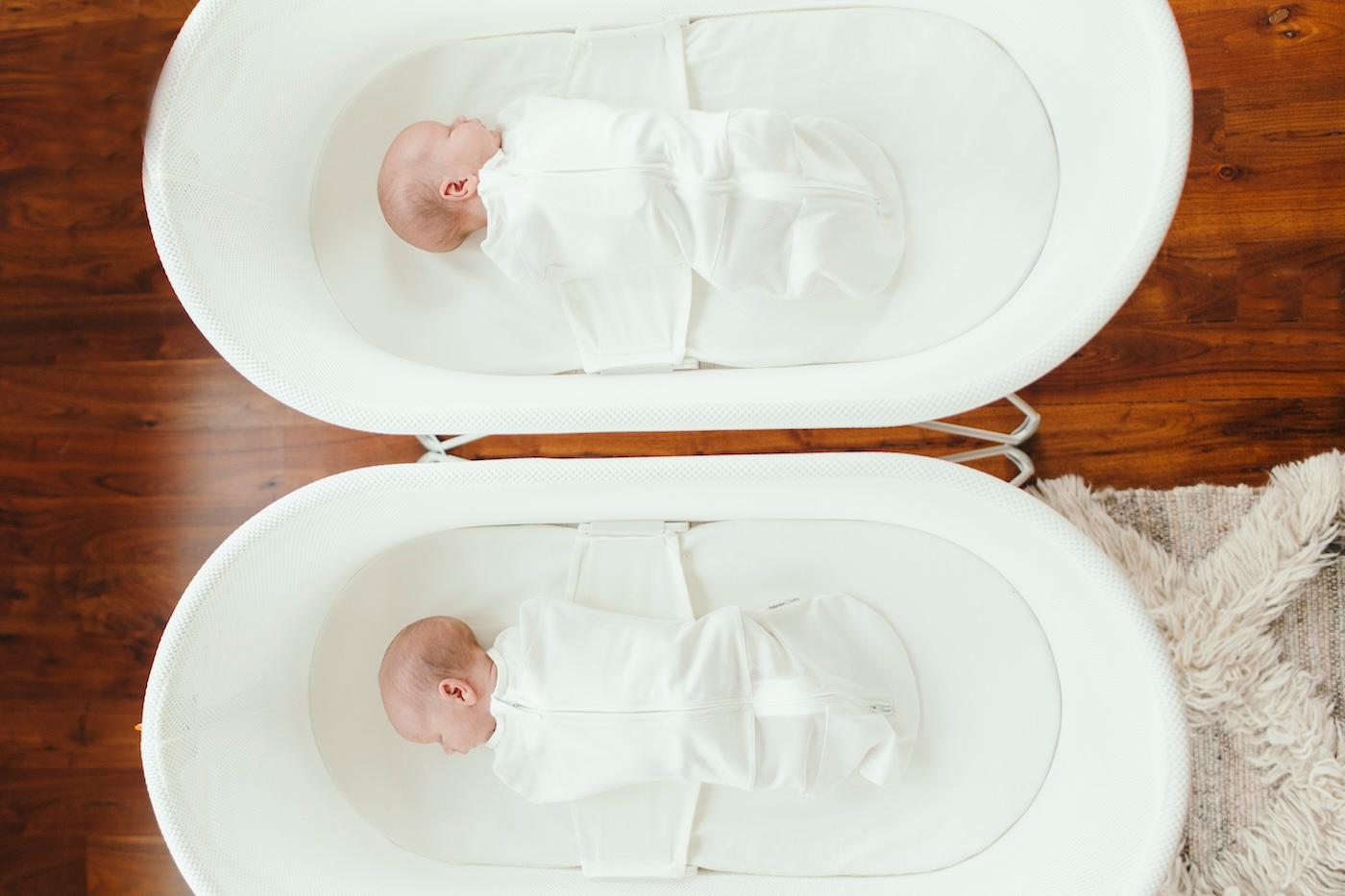
Every mum-to-be should have the birth experience she wants…and if the experience you want is a home birth, just make sure you are following all of these recommendations to ensure your little bundle has a safe, healthy arrival at home! And no matter where your baby is born, your little one will need a safe place to sleep. Check out SNOO Smart Sleeper and find out what makes it the world’s safest baby bed.
Disclaimer: The information on our site is NOT medical advice for any specific person or condition. It is only meant as general information. If you have any medical questions and concerns about your child or yourself, please contact your health provider. Breastmilk is the best source of nutrition for babies. It is important that, in preparation for and during breastfeeding, mothers eat a healthy, balanced diet. Combined breast- and bottle-feeding in the first weeks of life may reduce the supply of a mother's breastmilk and reversing the decision not to breastfeed is difficult. If you do decide to use infant formula, you should follow instructions carefully.






SHARE THIS ARTICLE
PARENT PICKS
Bestsellers