BABY
Hip Dysplasia in Babies: What Parents Need to Know
Hip health is probably something you did not think you would need to ponder until you were lining up for the early-bird special. But even babies can run into hip issues.

Written by
Dr. Harvey Karp

Hip health is probably something you did not think you would need to ponder until you were lining up for the early-bird special at your local diner. But even babies sometimes run into hip issues.
You may not have heard of infant hip problems (IDHI - Idiopathic Hip Dysplasia of Infancy), but it affects 1-3% of babies and can cause problems long-term…if not detected early on. Fortunately, most providers diagnose it in the first months when it can be treated with no lasting effects.
Read on to find out what hip dysplasia is, how to know if your baby has it, and how it is treated.
What is hip dysplasia?
Think of your baby's hip as a ball and socket. The ball part of the hip—which is actually the top of your baby's thigh bone—sits inside a pocket of the pelvis (the socket). Together, these swivel and flex to allow your baby to kick their chubby little legs or crawl.
With hip dysplasia, the socket is too shallow, and the ball keeps popping out. This is not painful for your baby, but it can cause pretty serious long-term problems if not treated properly.
What causes hip dysplasia?
Some babies with hip dysplasia seem to be at risk because they are pressed into an awkward position in the womb. But, for most babies it is a mystery why it happens.
Possible risks that predispose babies to hip dysplasia, include:
- Being born female (girls are two to four times more prone to hip dysplasia!)
- Being a first-born baby
- A family history of hip dysplasia
- Being in a breech position in the womb or cramped because of being a twin
- Swaddling that is too tight around the hips (here is what you need to know about swaddling and hip dysplasia)
How common is hip dysplasia in babies?
Hip dysplasia affects 1-3% of newborns. However, breech babies are at greater risk of developing hip dysplasia.
Signs of Hip Dysplasia in Babies
Paediatricians are usually pros at spotting hip dysplasia. Your provider should check for any hip problems at every visit for the first 12 months by rotating and flexing your baby's hips to see if they move normally. Some doctors also do an ultrasound (US) or x-ray to see a detailed image of the bones, to make sure the thigh bone is properly in the hip socket.
In most cases, hip dysplasia will be found by your provider, but it cannot hurt to put your own eagle eyes to work. Sometimes hip dysplasia can develop later on. Let your provider know if you notice any signs of hip dysplasia in your child, like:
- Clicking hips
- Difficulty spreading their legs
- Waddling, limping, or walking on their toes
- Skin folds are uneven on thighs or buttocks
And some kids will not have any symptoms at all. In fact, some children with hip dysplasia do not show signs until they are beginning to take their first steps! If your baby develops a limp while they are in the early stages of walking, this should prompt a visit to your doctor.
How to Prevent Hip Dysplasia in Babies
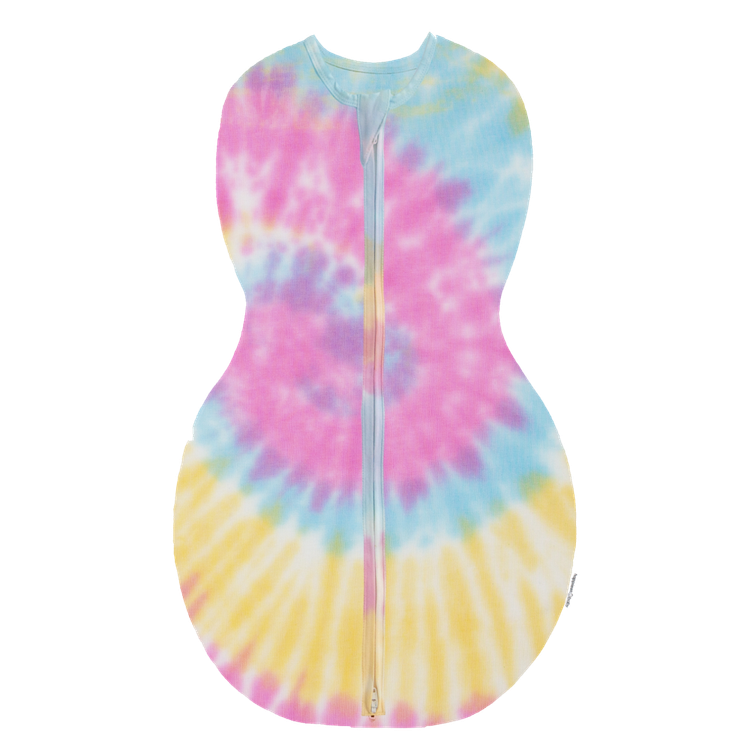
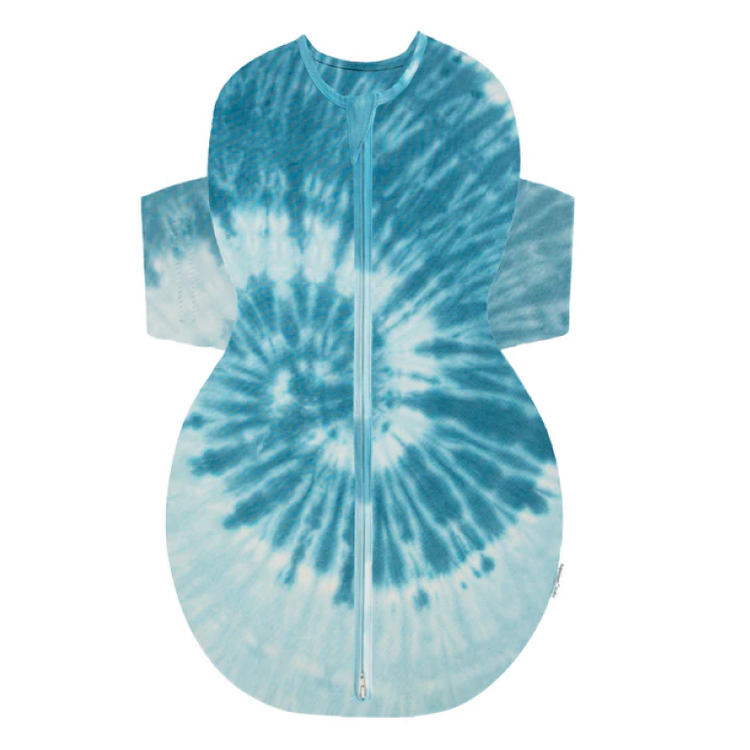
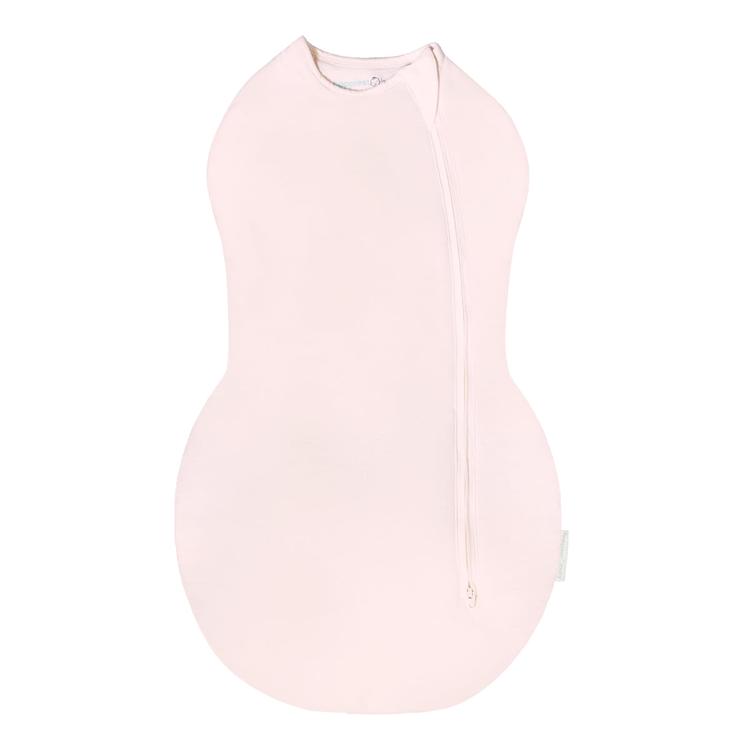
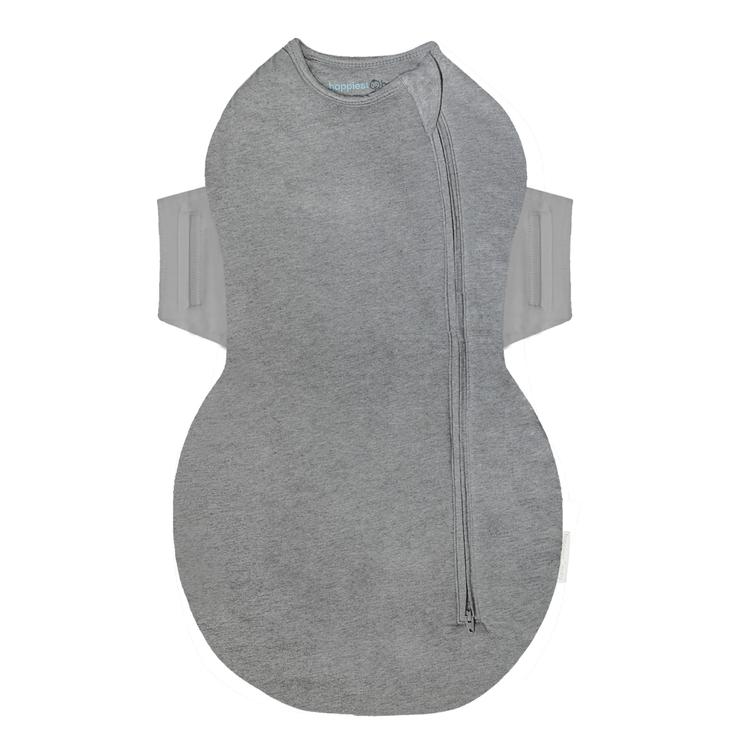
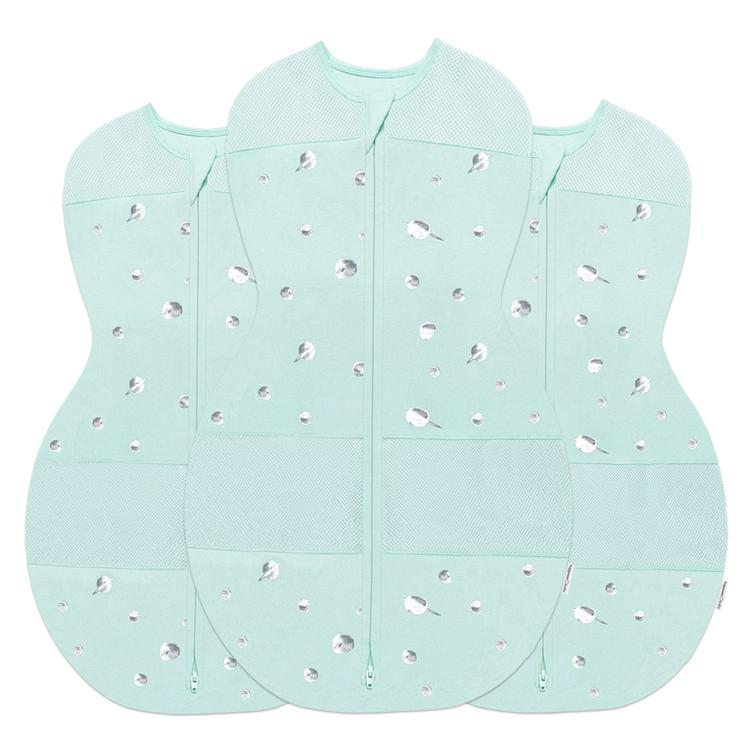
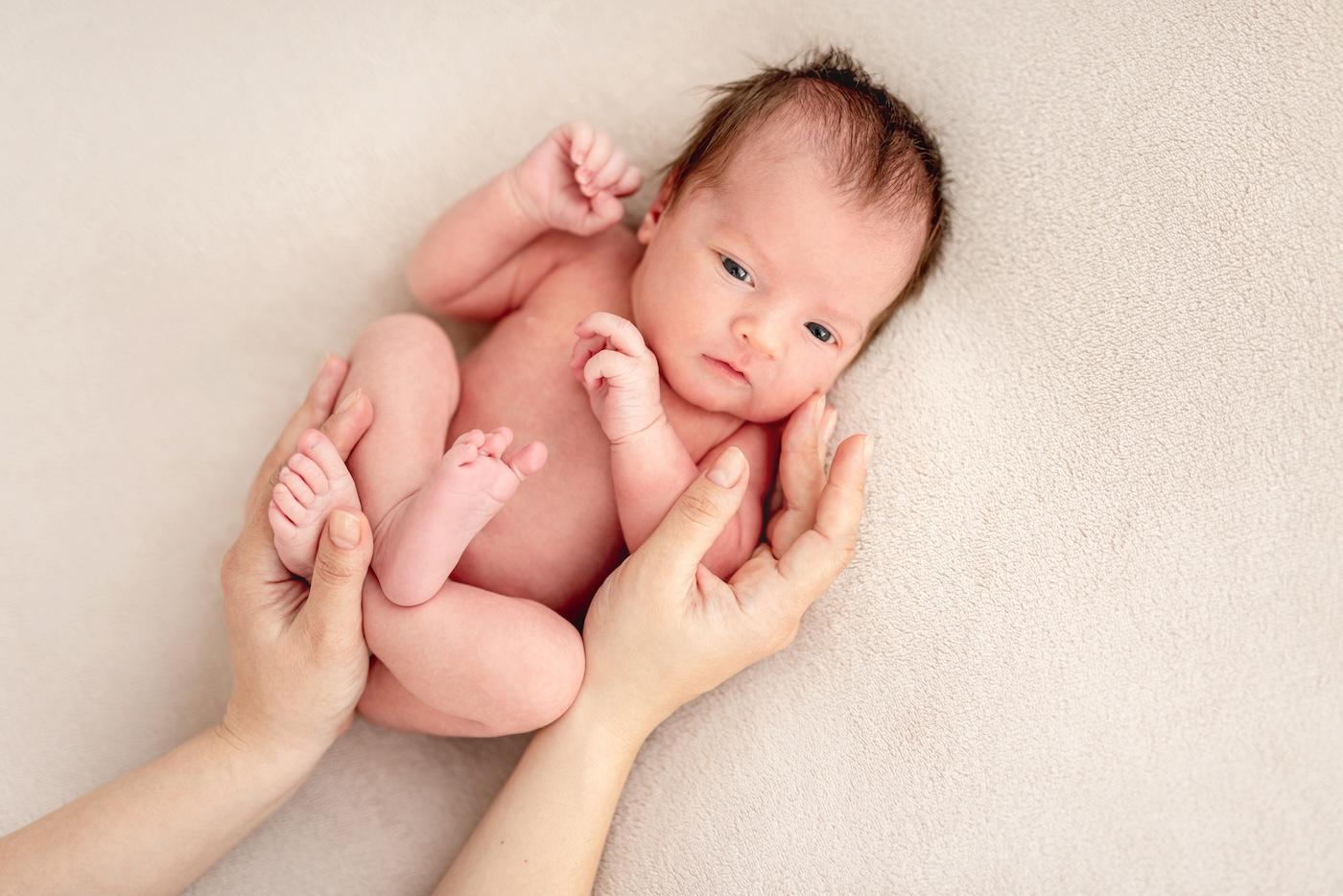
You have no control over your genetics or what happens during pregnancy. What you can be mindful of, however, is how you swaddle your baby. When babies are wrapped up with their legs straight like a cigar, it can impair proper hip development. Proper swaddling should be tight around the arms, but loose around the hips/legs, allowing your little one to bend, flex, and open the hips easily (like a frog!). (Our sleep sack—Sleepea, the award-winning 5-second swaddle—has a special shape that was designed with a baby’s hip health in mind!)
Babywearing is great way to bond with your bub while also checking items off your to-do list. But more than a convenience, using a wrap or carrier is also beneficial for your baby's hips—as long as you are doing it right. Make sure your baby's legs and bottom form an 'M' while in the carrier, with the knees sitting higher than the buttocks. The International Hip Dysplasia Institute has a good visual of this.
How do you fix hip dysplasia in babies?
Treating hip dysplasia will depend on how severe the dysplasia is. Your baby may be treated with or without surgery. Some common hip dysplasia treatment options include:
- Wait and see: If the dysplasia was found early and your baby is younger than 3 months, your provider may want to just keep an eye on how your baby is developing. In many cases, the joint will correct itself on its own.
- Hip harness: Known as a Pavlik harness, this is a device that holds your baby's hips in the correct alignment usually 24 hours a day for eight to 12 weeks. Your provider will show you how to dress, feed, bathe and change your baby's diaper while they wear the harness. Your baby will still be able to move their legs around.
- Abduction brace: While the Pavlik harness works well for most little ones, some babies need a brace for an extra dose of support. It works similar to a harness, but it has got a firmer hold and keeps their hips in place better.
- Surgery: A few babies may need surgery to correct their hip joints. Your baby will be put to sleep and the surgeon will set the ball joint in place. Your baby will be in a spica cast for about 3 to 6 months, which is upgraded as your baby grows. This cast starts below the armpits and goes all the way down to the legs. You will have follow-up visits with a specialist to monitor how their little joints are developing.
- Exercises for hip dysplasia in babies: Research has also shown that physical therapy can be an effective way to treat hip dysplasia in babies if it is started early.
Hip dysplasia does not normally cause any discomfort for your baby, but it should be addressed to prevent future problems. Let your provider know if you have any questions about your baby's physical development.
Disclaimer: The information on our site is NOT medical advice for any specific person or condition. It is only meant as general information. If you have any medical questions and concerns about your child or yourself, please contact your health provider. Breastmilk is the best source of nutrition for babies. It is important that, in preparation for and during breastfeeding, mothers eat a healthy, balanced diet. Combined breast- and bottle-feeding in the first weeks of life may reduce the supply of a mother's breastmilk and reversing the decision not to breastfeed is difficult. If you do decide to use infant formula, you should follow instructions carefully.






SHARE THIS ARTICLE
PARENT PICKS
Bestsellers