BABY
5 Tips for Breastfeeding an Older Baby
As your infant grows bigger and more curious about the world around them, you might find that breastfeeding has once again thrown you a curve ball.

Written by
Happiest Baby Staff

Congrats! You finally mastered the breastfeeding positions that work best for you and your baby; your little one’s latch is fantastic; your nipples do not even crack or bleed after each feeding anymore! But as your infant grows bigger and more curious about the world around them, you might find that breastfeeding has once again thrown you a curve ball. Never fear! Here are five common issues that can happen when nursing an older—and wiggly—baby…and how to make the experience easier on both of you!
Breastfeeding Issue No. 1: Your baby gets easily distracted while nursing.
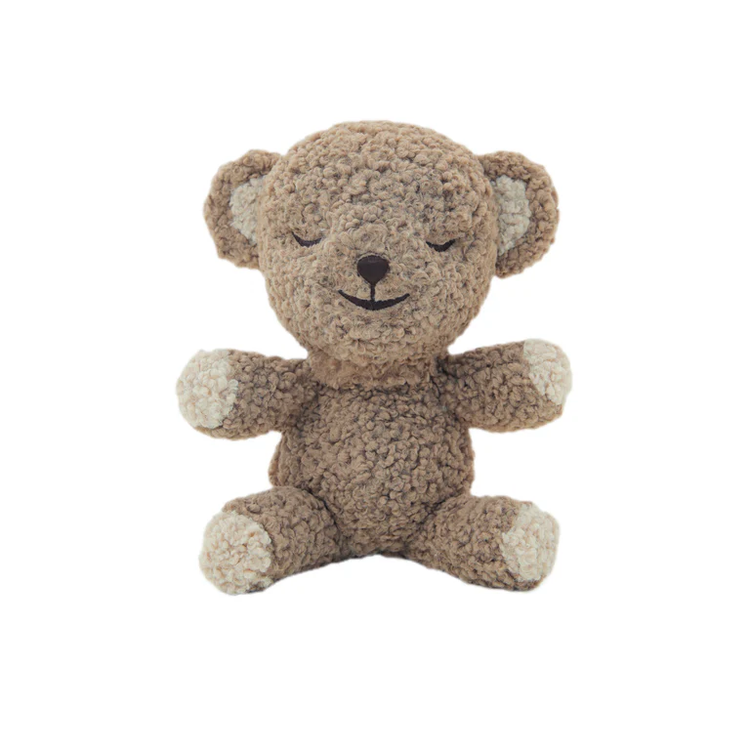
It is totally normal for babies who are about 4 to 6 months old to become distracted while breastfeeding. They are at the age where just about everything is interesting to look at! But it is increasingly difficult for your baby to maintain a latch when they are, say, playing with your shirt or rolling around. To help your little one stay on track, dim the lights; shut off the telly and phone; and move to a room where no one else is. You can also try nursing in motion, like in a rocking chair and offering your baby something to hold and fidget with while feeding, such as a soft stuffy or blanket. White noise can also work wonders to get your nursing baby to a place of zen. (Psst: SNOObear offers both white noise and a cuddly stuffy to fidget with.)
Breastfeeding Issue No. 2: Your baby has turned into a quick eater.
Sometimes, as babies get bigger, they become super proficient at nursing and will be able to eat lightning fast. While it is easy to worry that your baby is not getting enough milk since their feeds take less time, do not stress too much. Simply keep track of how often your baby nurses, how many wet nappies they have, and their general mood. If your baby is not getting cranky from hunger (and the peadiatrician says all is well), then rest assured that they are eating enough.
Breastfeeding Issue No. 3: Your baby has started biting you while breastfeeding.
Once babies start teething around 6 months (give or take), they may start to gnaw and chew on everything in sight…including your breasts. If this happens, try your hardest to refrain from making a big noise or reaction. This could inadvertently encourage your little one to do it again! To avoid turning biting-while-nursing into a painful game, remove your baby from your breast right away—and then wait a moment before starting to nurse again. If the nibbling continues, stop the nursing session altogether and eventually your hungry child will learn!
Breastfeeding Issue No. 4: Your baby is doing gymnastics while nursing.
One day your sweet little bundle of soft, warm joy is happily nursing until they drift off to sleep. And the next? They are trying to do a headstand while still attached to your nipple. The key to getting through this phase is all about (their) flexibility and (your) patience. Let your child explore different nursing positions…but also set boundaries by unlatching if they get too rowdy.
Breastfeeding Issue No. 5: Your baby is more interested in eating solids than nursing.
Babies typically start eating age-appropriate solids around 6 months of age…but that in no way means you need to stop nursing. (The National Health Service recommends breastfeeding for the first 12 months.) Since babies are not always great at eating solids right away, try nursing before a meal of solids, that way your child will fill up on breastmilk first.
Even though your baby is growing, and their preferences and needs are changing, remember that nursing your child is a fantastic opportunity…and one that should be continued for as long as it works for both you and your baby. If there is interest from both parties, think of these hiccups simply as opportunities to continue to learn and bond together. With some diligence and persistence, you can clear these hurdles together.
Disclaimer: The information on our site is NOT medical advice for any specific person or condition. It is only meant as general information. If you have any medical questions and concerns about your child or yourself, please contact your health provider. Breastmilk is the best source of nutrition for babies. It is important that, in preparation for and during breastfeeding, mothers eat a healthy, balanced diet. Combined breast- and bottle-feeding in the first weeks of life may reduce the supply of a mother's breastmilk and reversing the decision not to breastfeed is difficult. If you do decide to use infant formula, you should follow instructions carefully.






SHARE THIS ARTICLE
PARENT PICKS
Bestsellers