BABY
10-Week-Old Baby Milestones
Do you ever feel like someone is watching you? If your baby is 10 weeks old, you’re absolutely right!

Written by
Dr. Harvey Karp

SHARE THIS ARTICLE
PARENT PICKS
Bestsellers
BABY
Written by
Dr. Harvey Karp
SHARE THIS ARTICLE
Bestsellers
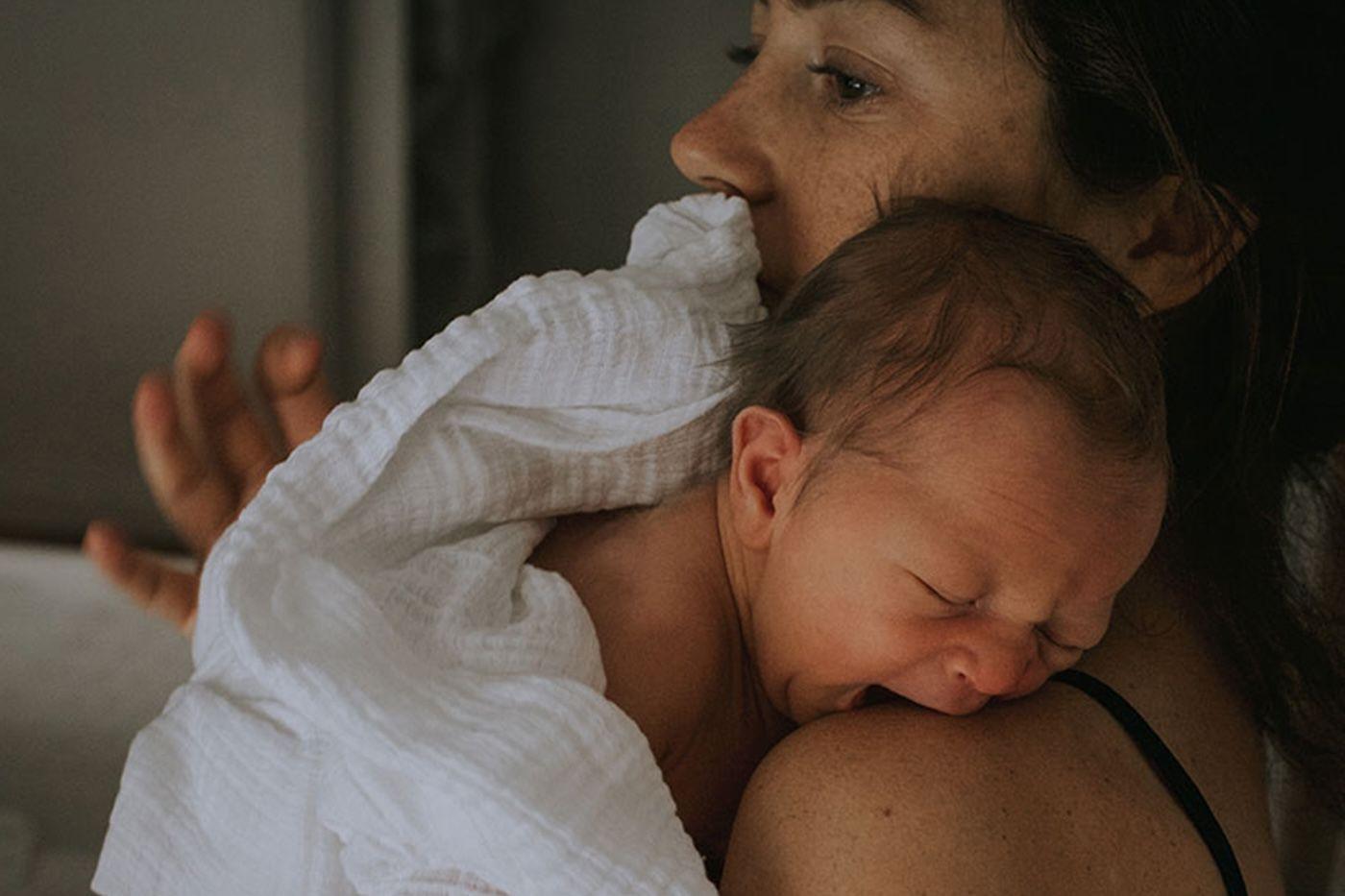
Do you ever feel like someone is watching you? If your baby is 10 weeks old, you’re absolutely right! At this age, babies adore studying our face! Although your little one has been able to recognise you for weeks, they are increasingly fascinated by all the fun faces you can make. And it doesn’t take long for one of those expressions to prompt a smile from your little admirer.
Whether your newest addition is your first child or has joined a family with big sibs, every baby comes with an adjustment period. Changing nappies, feeding your baby, and maybe even getting out of the house on walks may feel like a breeze by now. But, what about the other ways you used to spend your time before your baby arrived? Although you have a new list of priorities, it’s wise to still put self-care on the schedule and make an effort to spend quality time with your partner and friends.
Not having a babysitter is no reason to skip the date night entirely…babies can be fine restaurant companions! Believe it or not, your baby is a quieter third-wheel at this point than they will be a year or two down the road.
Colours, Textures, Shapes—Oh My!
Your baby has been taking in their surroundings from the very beginning. But now they are really starting to make sense of the world around them! By recognising patterns, seeking out familiar faces, and processing all sorts of sensory information, they are constantly learning.
This is all an important part of your baby’s cognitive development, which is a big term that describes how we pick up, mentally organise, and learn to use knowledge. In other words, it’s all about putting the pieces together! Babies also don’t need anything too fancy to learn a whole bunch. Sensory toys and activities are great for sparking your baby’s curiosity. And that includes those “toys” you already have in your house, like crinkly wrapping paper or shiny kitchen pot.
There are two (equally important) categories for motor skills: gross motor skills that use large muscles and fine motor skills that use smaller muscles. Those two sets of skills often work in harmony, such as when you lift your arm and wiggle your fingers.
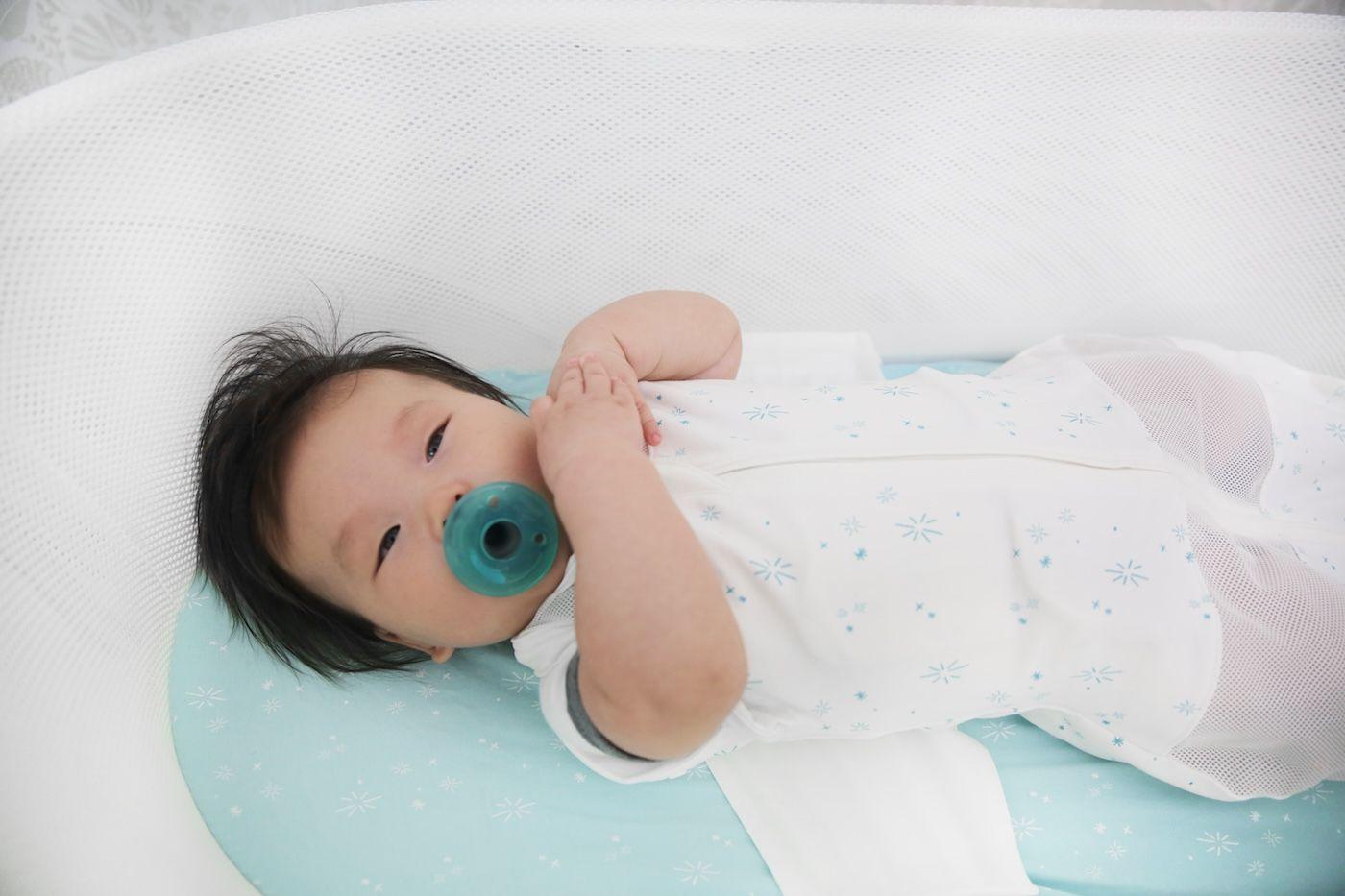
When it comes to your 10-week-old baby, some of the gross motor skills they are actively working on probably include learning to roll, keeping their head and upper torso raised during tummy time, and kicking their legs. During what appear to be calmer moments, they may also be trying hard to master some fine motor skills, such as moving their fingers, raising their hand to their mouth, and whacking out to grab something, like your glasses. Lots of times they intently look at something—as if they would like to grab it—but rather than reach out, their little hands grasp each other, exploring their own entwined fingers.
Note: Now that your baby is just beginning to reach out and hit their targets, you must be super careful about burns. NEVER have a glass of hot liquid in your hand—or on the table in front of you—when your baby is in your arms or you’re seated at the table.
Your baby is currently between well-child visits (which is when your provider will assess your little one’s development), but at your next check-up (which occurs at 4 months), your provider will likely ask you about these milestones:
Every baby is different—so your baby may check off some of these items “early” and other skills may take longer to achieve. It’s important to know that there’s a wide range of what’s considered normal!
A Yucky Milestone: Baby’s First Cold
Whether the germs come from daycare, the library, or Big Sis, it’s unfortunately only a matter of time before your baby develops their first case of the sniffles. (Sorry to be the bearer of bad news, but kids experience an average of 8 to 10 colds during the first two years.) While a fever for a baby younger than 3 months (or any lethargy or irritability) always merits a call to the doctor, a stuffy nose may be treatable with some TLC at home. If there is no improvement or symptoms worsen within a few days, follow up with your paediatrician.
One old home remedy is to put two to three drops of fresh milk right from your breast into a dropper and then into your baby’s nose. Sounds odd? Interestingly, baby germs go up into the breasts and the immune tissue inside can make antibodies specifically against the illness the baby is fighting off. It’s like a tailor-made antibiotic.
Disclaimer: The information on our site is NOT medical advice for any specific person or condition. It is only meant as general information. If you have any medical questions and concerns about your child or yourself, please contact your health provider. Breastmilk is the best source of nutrition for babies. It is important that, in preparation for and during breastfeeding, mothers eat a healthy, balanced diet. Combined breast- and bottle-feeding in the first weeks of life may reduce the supply of a mother's breastmilk and reversing the decision not to breastfeed is difficult. If you do decide to use infant formula, you should follow instructions carefully.